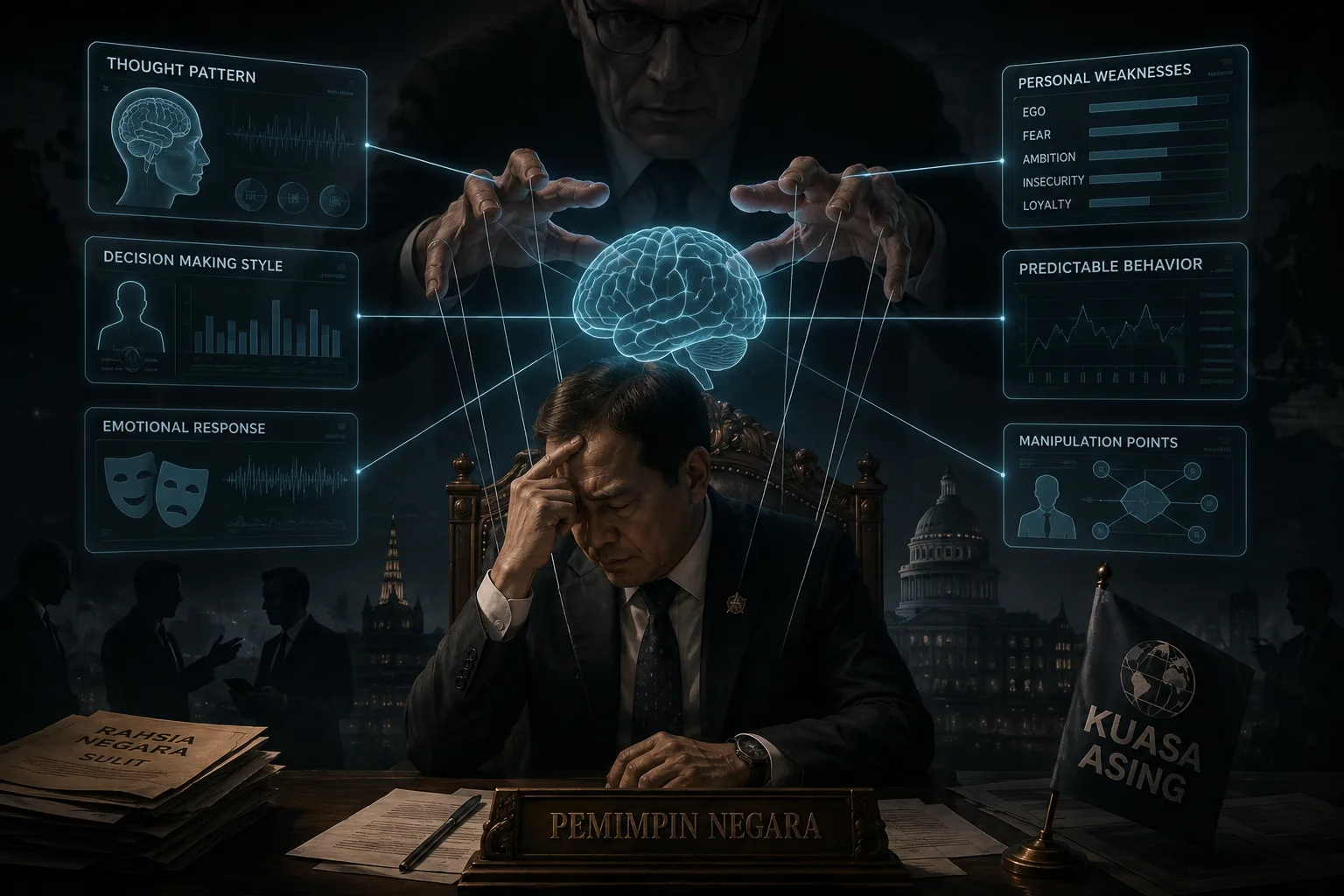
From where I sit deploying systems across public-sector environments, the current wave of government AI is mostly about automation, productivity gains, chatbots and LLMs. That is useful, but it misses the bigger system design question. The most durable asset any government owns is its institutional memory - the accumulated reasoning behind policy, implementation and continuity.
Every budget cycle, institutional memory erodes: portfolios change, senior civil servants retire, directors-general rotate between agencies and programme leads move on. The records usually capture what was approved, not the engineering context - why this path was chosen, which alternatives were rejected, what risks were modelled and what broke during delivery. That context is what keeps the next team from repeating failure.
The next generation of government systems should be built around Institutional Intelligence: a secure knowledge-and-decision infrastructure that captures context, preserves organisational memory and maintains policy continuity. In practice, every authorised executive can run an Executive AI Agent - a Digital Executive Secretary - that prepares briefings, tracks implementation, retrieves precedent decisions and coordinates secure cross-ministry workflows.
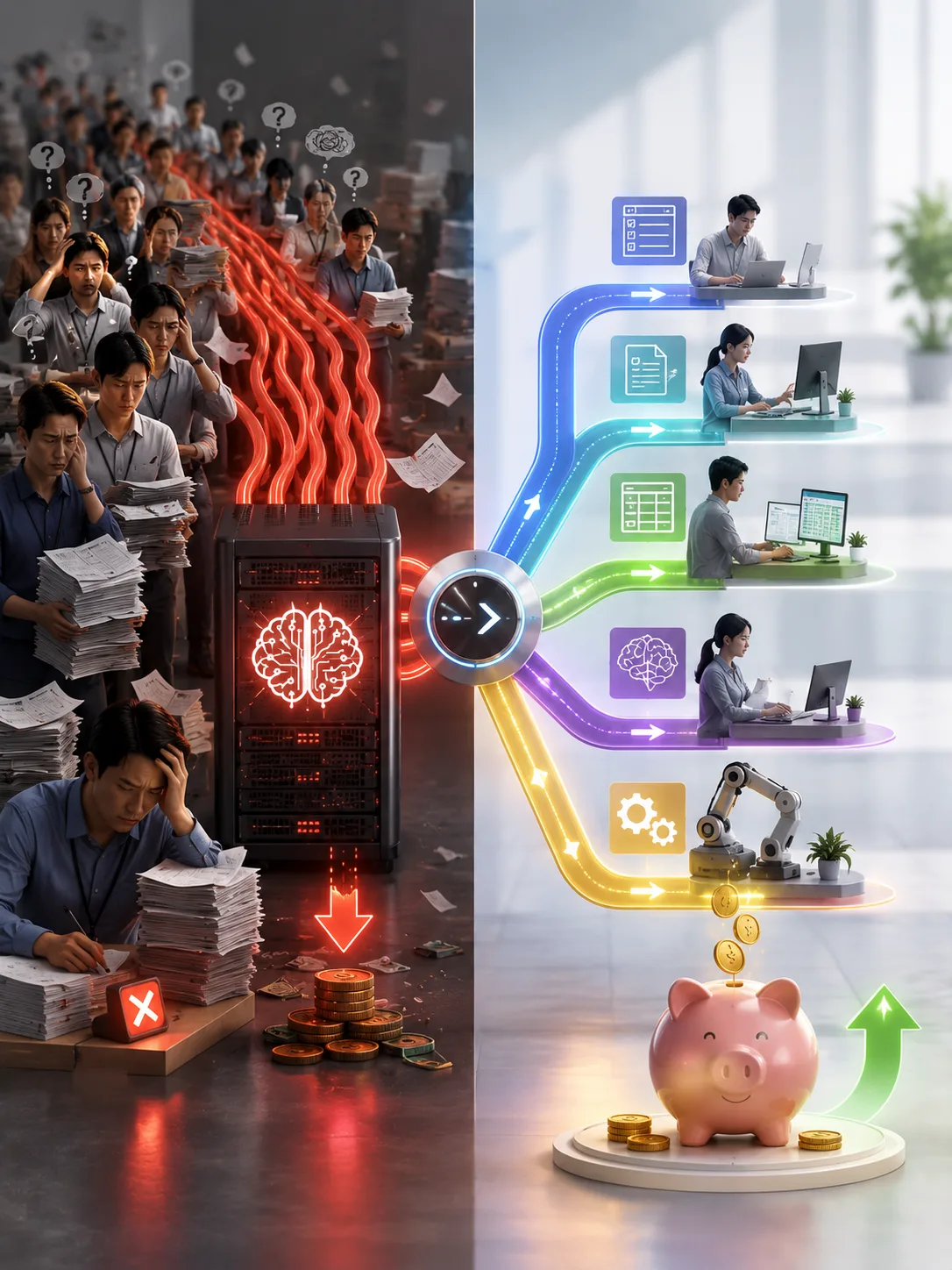
These agents are not decision-makers. They are governed system components: role-based access, full audit trails, human-in-the-loop controls and policy guardrails. Deterministic, high-volume work should be pushed to specialised backend systems; advanced AI should be reserved for tasks where reasoning, interpretation and context actually produce measurable outcomes.
Sensitive policy material, legal opinions and strategic documents must stay inside the organisation's trust boundary. A secure Local LLM stack, intelligent orchestration and governed processing pipelines reduce reliance on external AI platforms while improving data sovereignty, cybersecurity posture and operational resilience.
The goal is not to maximise AI adoption. It is to keep institutional memory intact and improve decision quality across successive administrations. Leaders come and go; the reasoning, evidence and lessons that shaped national decisions should remain queryable. Technology accelerates government operations. Institutional Intelligence is what keeps them coherent.















Ruang pembaca
Apa pendapat anda?
Komen disemak sebelum diterbitkan. Email diperlukan untuk moderasi dan tidak dipaparkan kepada pembaca.
ชอบเนื้อหานี้ที่พูดถึง เพราะไม่ทฤษฎีเกินไป
This is where human-in-the-loop controls and policy finally makes sense.
every authorised executive can run is the part I would forward to my boss.