
Most daily workflows in SMEs follow the same predictable patterns:
→ Inventory updates
→ Order handling
→ Invoice math
→ Scheduled reporting
→ Permission-based approvals
→ Data validation
→ Health monitoring
If the logic is already known, why route every call through an LLM?
In my work building these systems, that's where a detached architecture makes the difference.
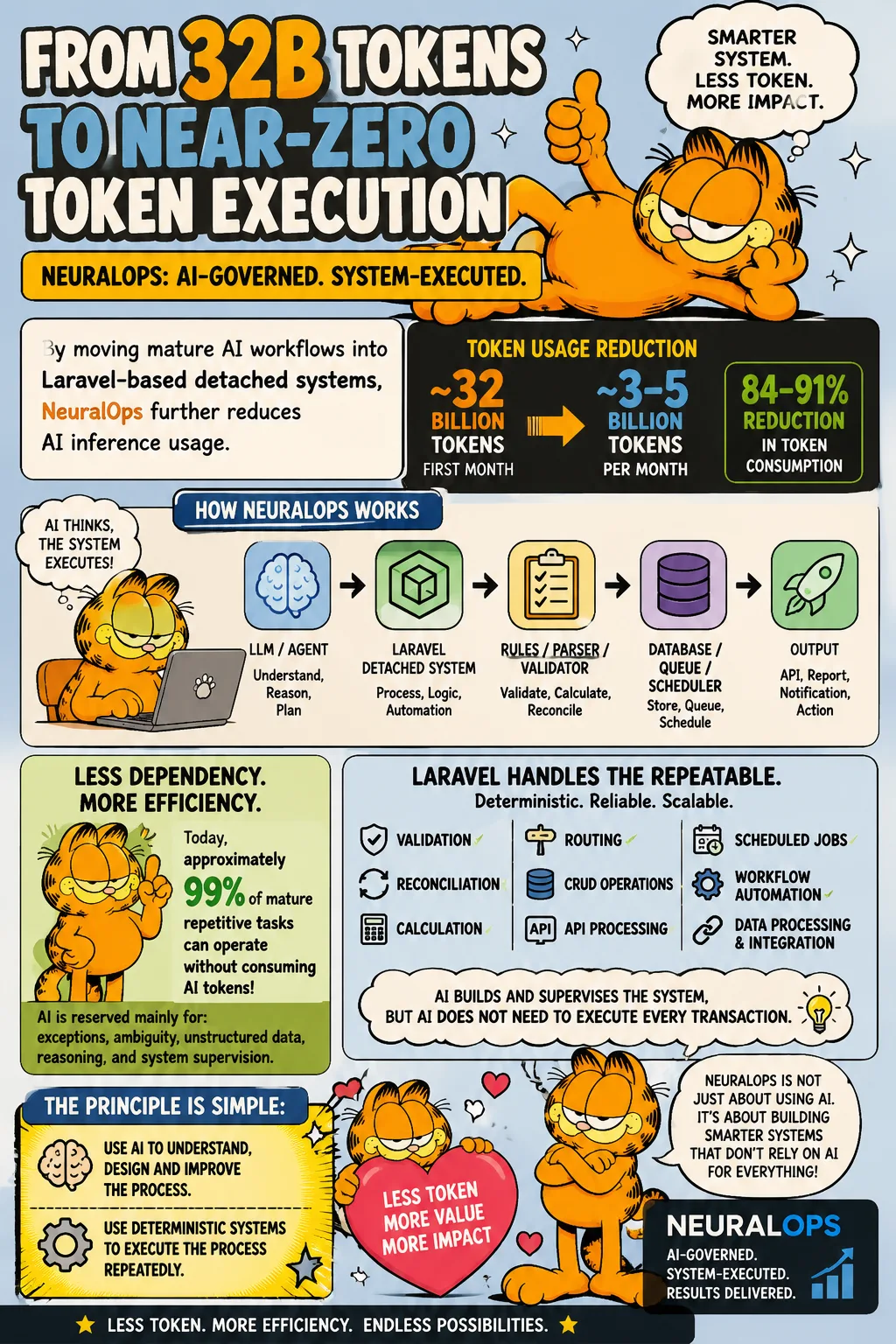
We reserve AI for what actually requires reasoning, understanding context, or making judgment calls.
Once a process becomes deterministic, we move execution off the model and onto conventional code, rules, and automation pipelines.
For SMEs, the benefits are direct:
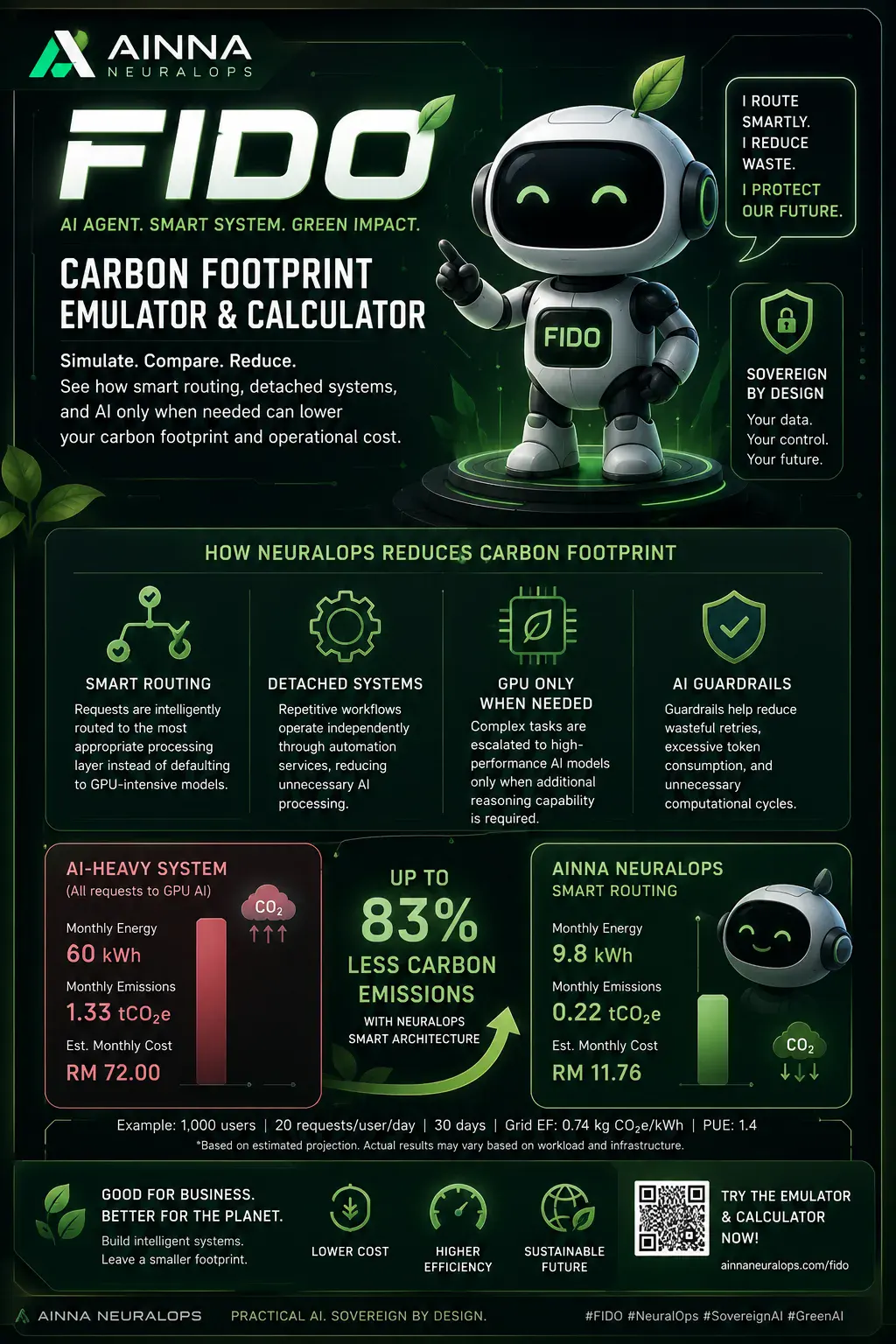
Lower operating expenses: fewer redundant model invocations and less token consumption.
Cost predictability: transaction volume no longer scales proportionally with AI spend.
Output consistency: deterministic routines produce identical results every time.
Always-on operations: routine processes run 24/7, regardless of model availability.
Efficient resource usage: heavy compute is only spent where intelligence is genuinely needed.
The core idea is simple:
Let AI reason when reasoning is required.
Let software execute when the logic is already set.
For an SME, effective AI adoption doesn't mean using AI everywhere.
It means deploying AI precisely where it creates measurable value.
#SME #AI #ArtificialIntelligence #Automation #DigitalTransformation #BusinessAutomation #AIForBusiness #SMEDigitalisation
Official Cross-Network Resource














Ruang pembaca
Apa pendapat anda?
Komen disemak sebelum diterbitkan. Email diperlukan untuk moderasi dan tidak dipaparkan kepada pembaca.
Dah hantar pada dua orang. Sebab why route every call through.
The figures on let AI reason when reasoning make more sense than most posts.
Berguna. Kami sedang hadap why route every call through sekarang.
这部分这部分我看了几遍,值得再想。