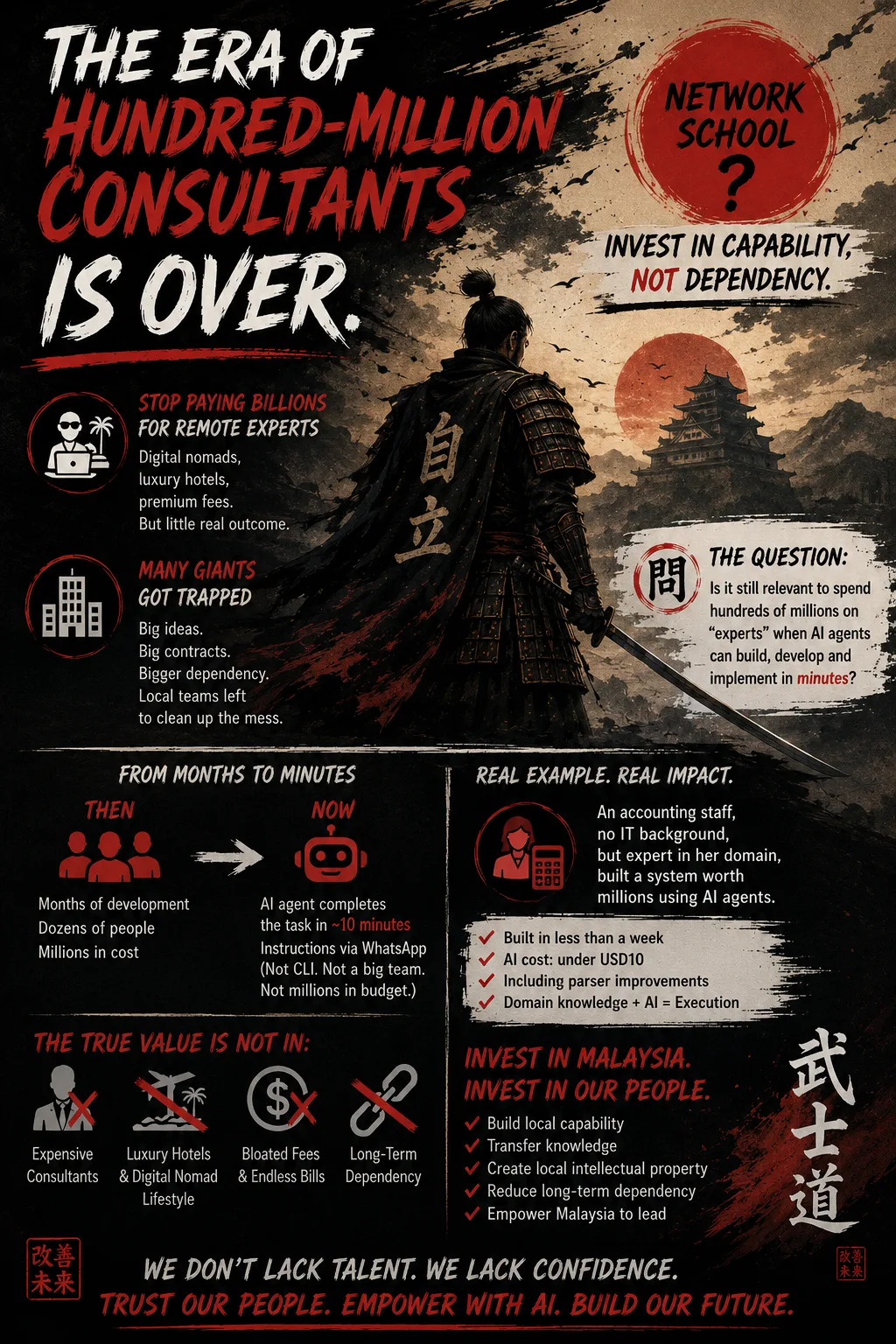
Malaysian SMEs are accelerating their adoption of Artificial Intelligence, with most attention focused on automation, productivity, chatbots and Large Language Models. However, the greater opportunity may not be the technology itself. The most valuable asset on any SME balance sheet is its institutional knowledge.
Every year, critical knowledge is lost when founders step back, finance managers resign, company secretaries transition, auditors rotate and project leads move on. Accounting systems may record what was spent or invoiced, but they rarely preserve why a budget was reallocated, what financing alternatives were evaluated, which credit risks were debated, what provisions were made and what lessons emerged during collections or procurement.
The next evolution of SME AI should therefore focus on Institutional Intelligence-a secure infrastructure that preserves decision context, organisational knowledge and business continuity. At AINNA, we frame this as a finance and asset-management discipline: knowledge is an intangible asset that must be tracked, governed and depreciated like any other productive resource. Every authorised owner, director or finance lead could be supported by an Executive AI Agent functioning as a Digital Executive Secretary, preparing cash-flow briefings, monitoring accounts receivable and payable, retrieving historical financial decisions and coordinating secure collaboration between operations, accounts and external auditors.
These agents should not replace directors or make material business decisions. They should operate under strict governance, access controls, audit trails and human oversight. Routine and deterministic workloads-journal entries, reconciliations, statutory filings-should also be processed through specialised accounting systems, reserving advanced AI only for tasks where reasoning and interpretation create measurable value.
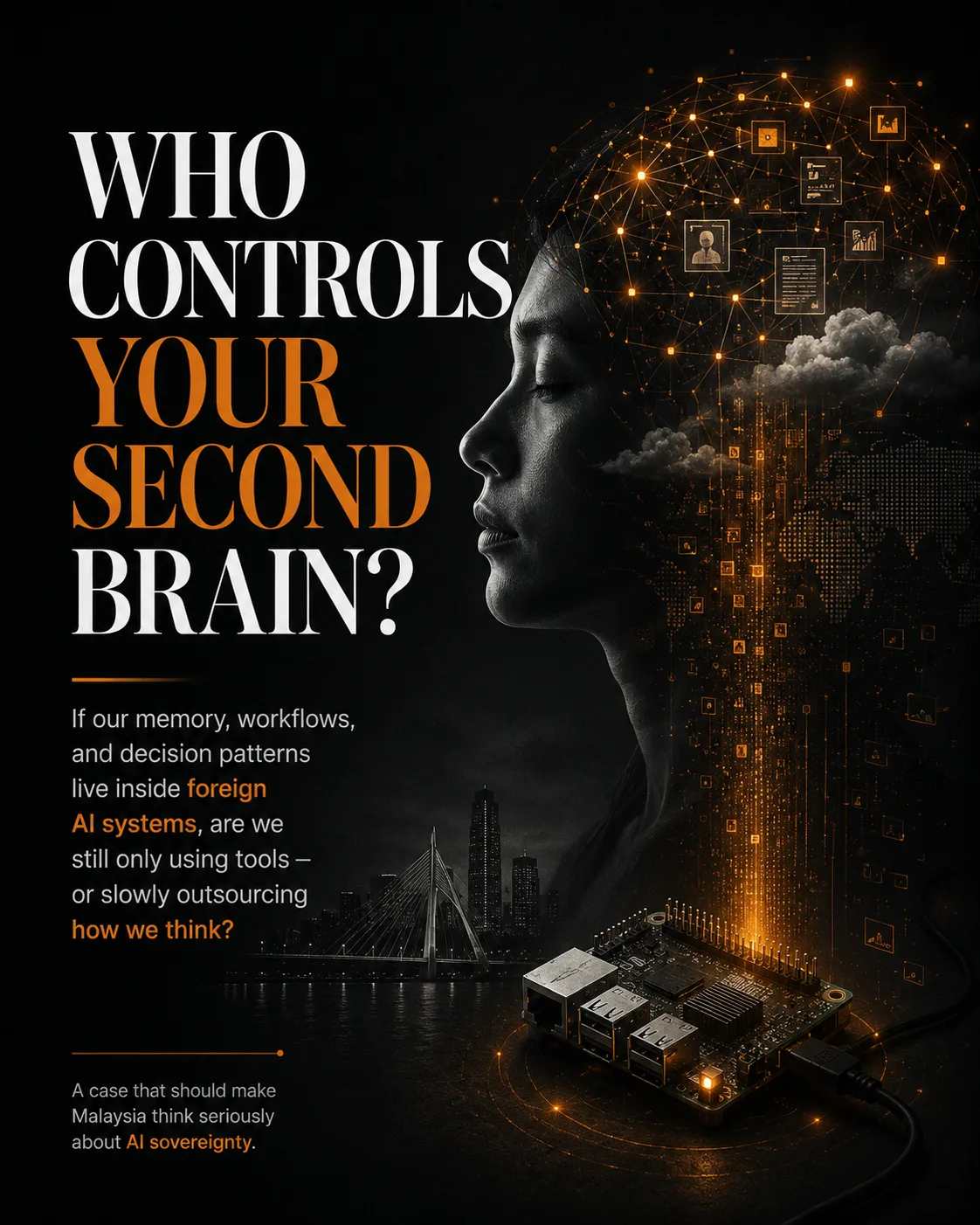
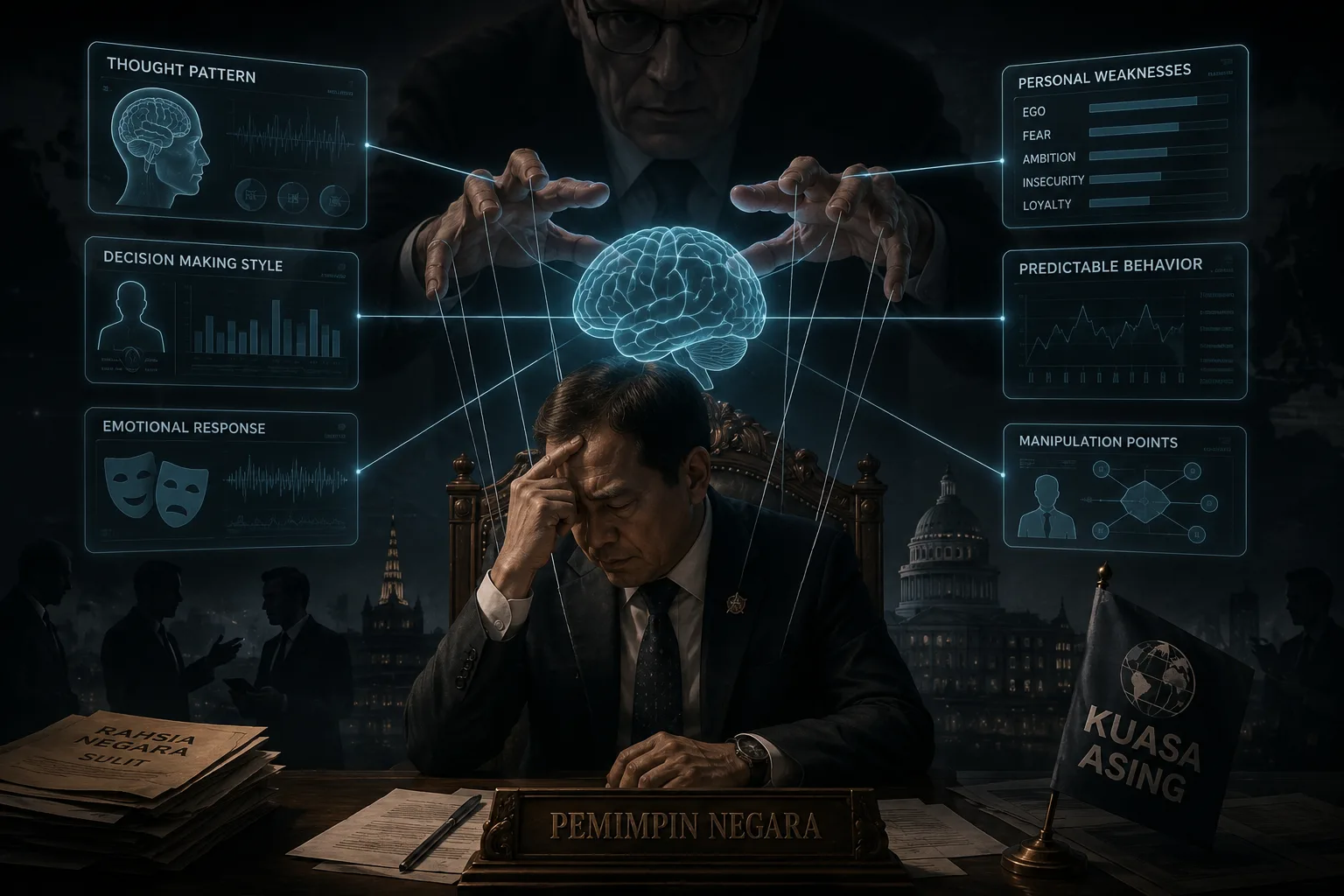
Sensitive financial records, audit trails, tax positions, payroll data and strategic pricing documents should remain under organisational control. Secure Local LLM infrastructure, intelligent orchestration and governed processing can reduce dependency on external AI platforms while improving data sovereignty, cybersecurity and operational resilience under Malaysia’s PDPA and tax-compliance obligations.
The objective is not to maximise AI usage. It is to preserve institutional memory and strengthen decision-making across successive management teams. Ownership may change, but the reasoning, evidence and lessons behind financial and strategic decisions should remain accessible. Technology should accelerate SMEs. Institutional Intelligence should strengthen them.