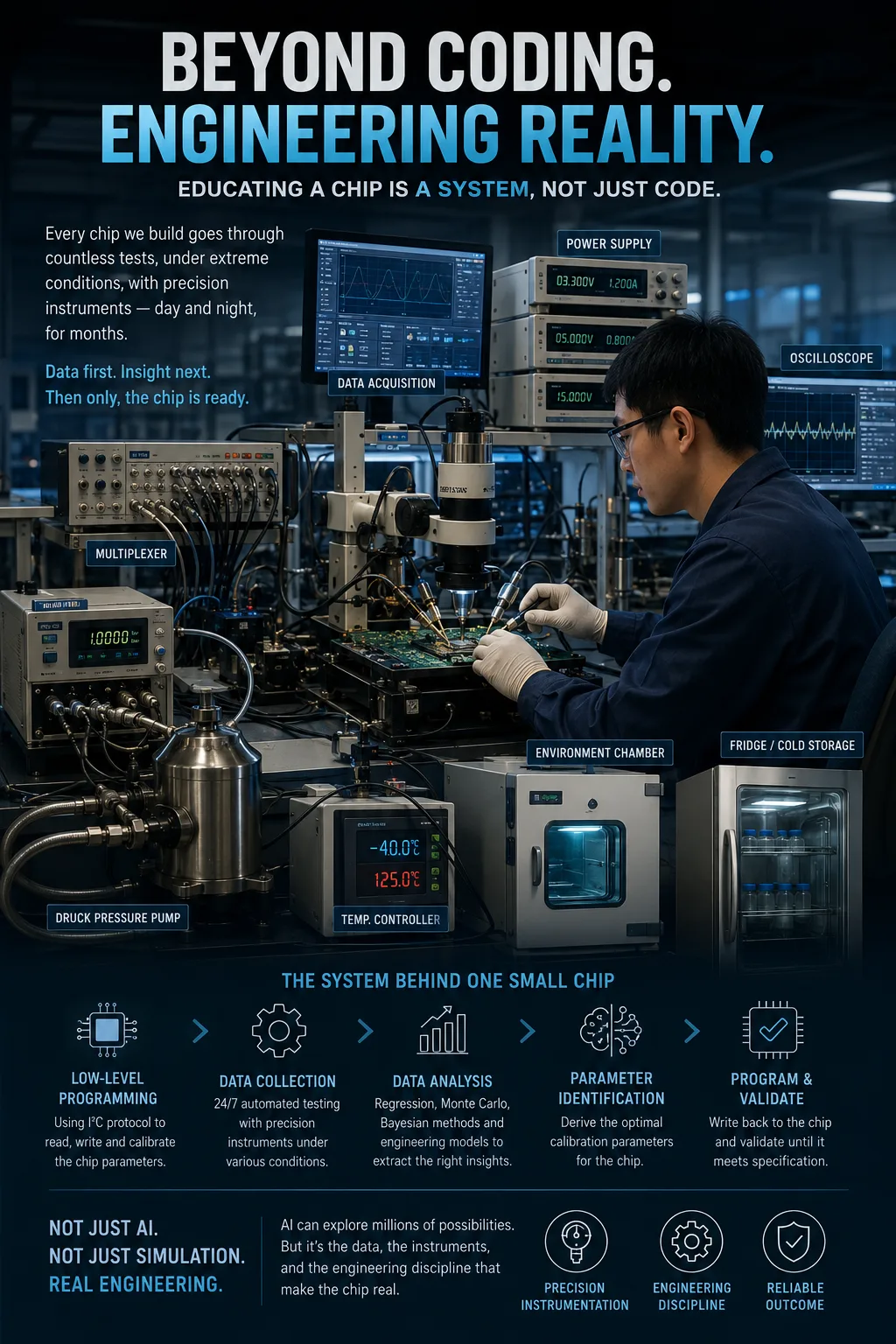
One of the hardest tasks was "educating" the ledger through careful cost allocation. Using source documents such as purchase orders, goods-received notes and supplier invoices, we continuously collected cost data, analysed the asset's behaviour, and programmed depreciation and impairment assumptions back into the register.
The challenge was never just recording the asset.
It was building and operating an entire automated reconciliation environment. Month-end processes ran across weeks, integrating ERP modules, fixed-asset subledgers, bank feeds, supplier portals, tax computation sheets, depreciation engines and statutory reporting tools to characterise the true economic value of a modest capital item under changing business conditions.
Once sufficient data had been collected, the real finance work began.
We analysed massive datasets using depreciation equations, sensitivity analysis, statistical methods, repeated reconciliation and countless iterations to derive the correct carrying value and useful life. Reaching audit-ready asset valuations often required months, and sometimes years.
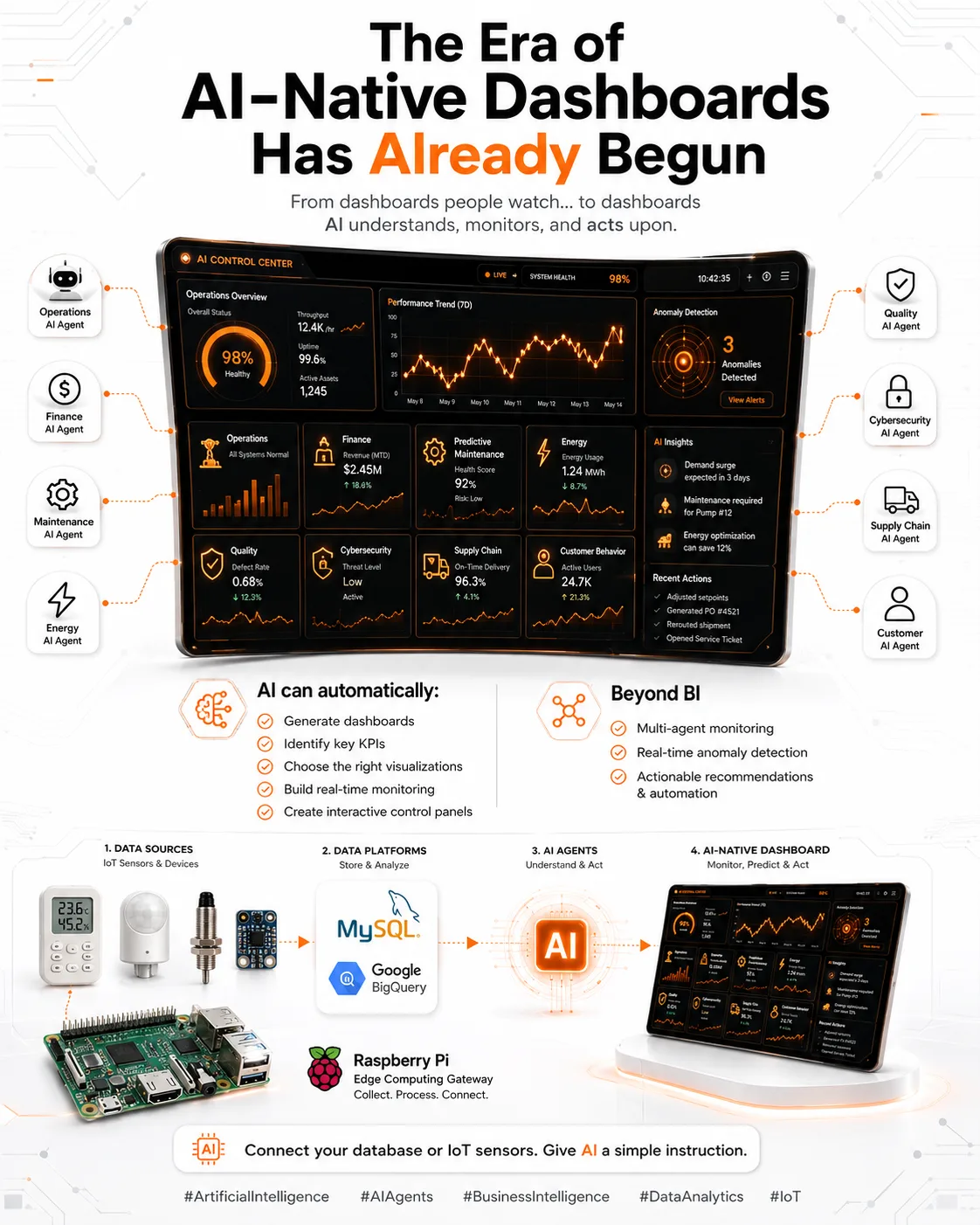
Today, AI and modern statistical computing can evaluate millions or even billions of accounting scenarios within a fraction of the time. Regression identifies cost drivers, Monte Carlo explores uncertainty through simulation, and Bayesian inference continuously updates probabilities as new evidence becomes available.
The accounting principle, however, remains the same.
The most effective finance functions don't rely on AI for every posting. They first discover the optimal treatment, validate it, and then convert it into deterministic controls executed by rules, parsers, and specialised systems. That discipline is how AINNA turns complex asset data into measurable business value for Malaysian SMEs.
AI accelerates discovery.
Deterministic systems ensure consistency.
Financial discipline remains the foundation.
Technology has changed. The finance mindset hasn't.
Official Cross-Network Resource











Ruang pembaca
Apa pendapat anda?
Komen disemak sebelum diterbitkan. Email diperlukan untuk moderasi dan tidak dipaparkan kepada pembaca.
Tulisan yang bagus. Using source documents sahaja dah berbaloi.
depreciation engines and statutory reporting is what I would forward to my boss.
Whoever wrote this actually did the work on repeated reconciliation and countless.
Simpan dulu, terutama karena using source documents.