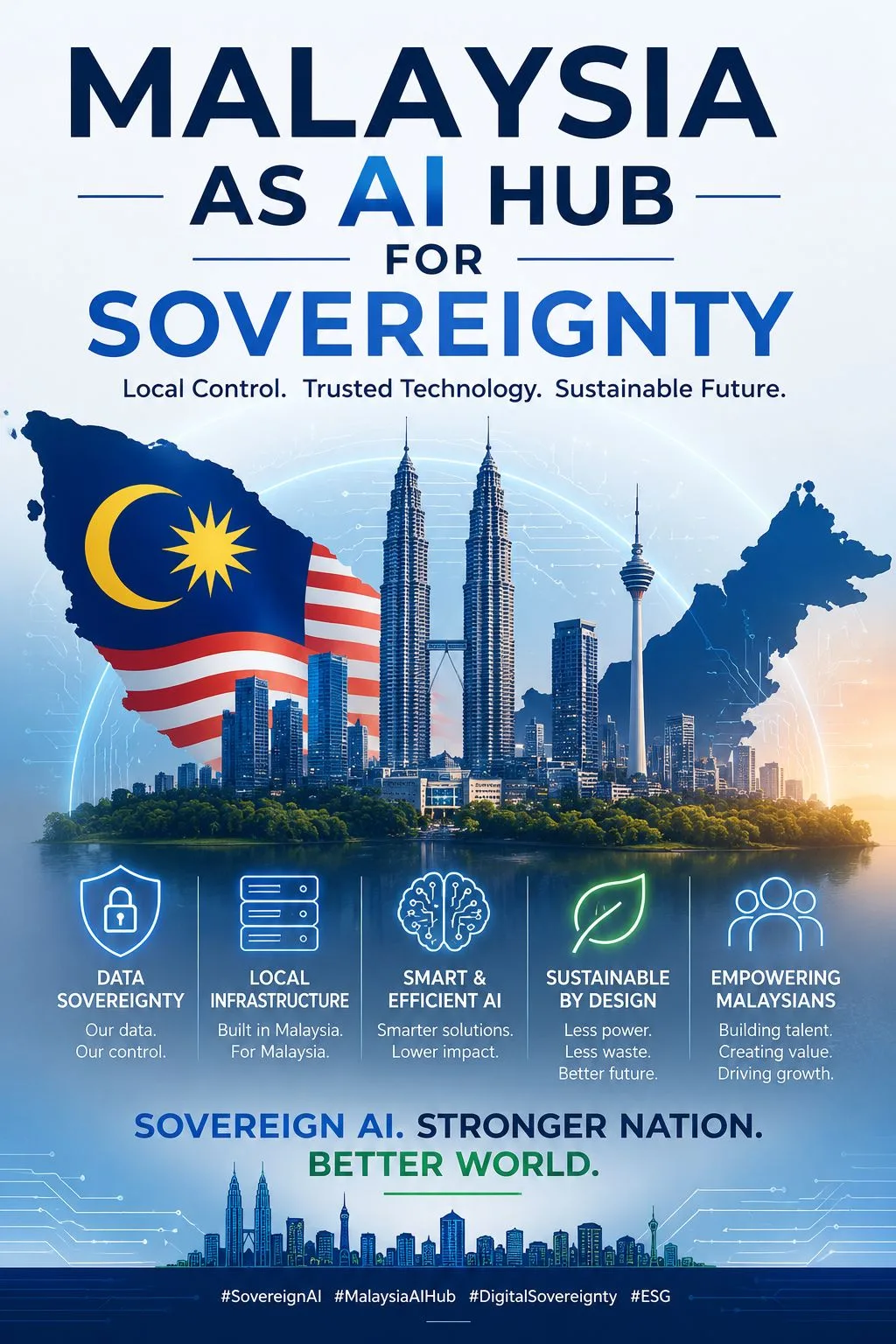
From a finance and accounting standpoint, PMX's vision for Sovereign AI and Malaysia's ambition to become a regional AI hub represents a capital-allocation decision with long-term balance-sheet implications. I see it as the right strategic direction for Malaysian businesses.
However, the financial reality deserves closer scrutiny.
Many government agencies, industry leaders, and organisations remain operationally and financially dependent on foreign AI platforms.
Lately, substantial budget allocations have flowed into overseas AI solutions, including large-scale public-sector user licenses. While this accelerates adoption, it raises a material accounting question:
Are we capitalising a strategic asset, or merely recording it as a recurring operating expense?
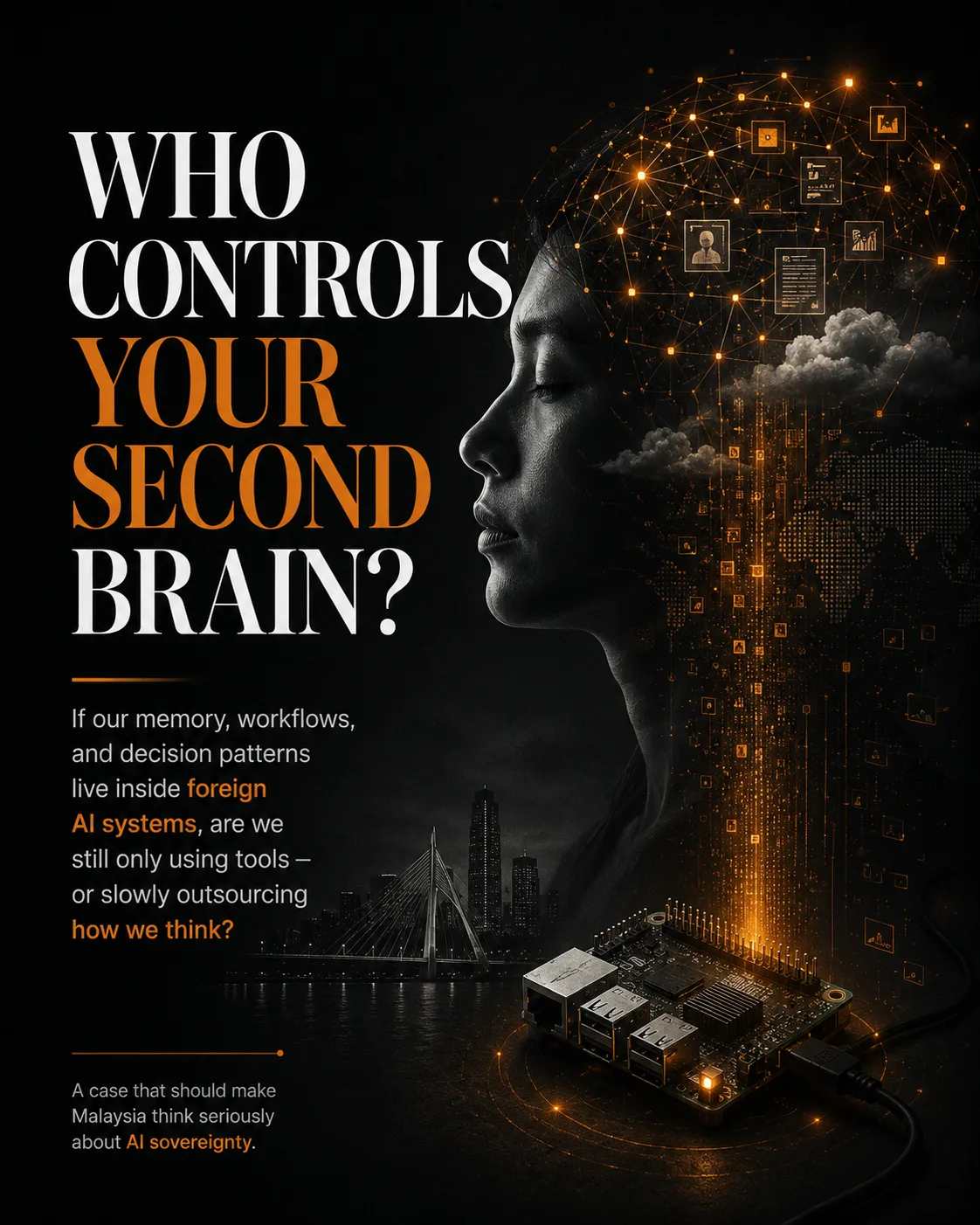
When we rely extensively on foreign AI platforms, we do not merely share data. Over time, we also transfer institutional knowledge, workflow patterns, and decision-making logic outside our financial and operational control.
That is why Sovereign AI matters from a risk and asset-management perspective.
Not because Malaysian enterprises aim to replace Microsoft, Google, Apple, AWS or OpenAI overnight. Realistically, that would strain both capital expenditure and implementation timelines in the short term.
But reducing dependency? That is both financially prudent and strategically necessary.
Malaysia must also move beyond AI hype in budget planning. The conversation should not default to bigger models, larger GPU clusters, and ever-expanding data centres. Often, the better investment return comes from the organisation that deploys technology more efficiently, not the one that spends the most.
Japan did not challenge American automotive giants by building larger vehicles. It introduced smaller, more efficient, reliable and practical models. Many underestimated them initially, yet they ultimately reshaped the global automotive market through superior unit economics.
AI may follow a similar capital-efficiency path.
The future is not only about building larger models. It is also about designing smarter, more cost-effective architectures.
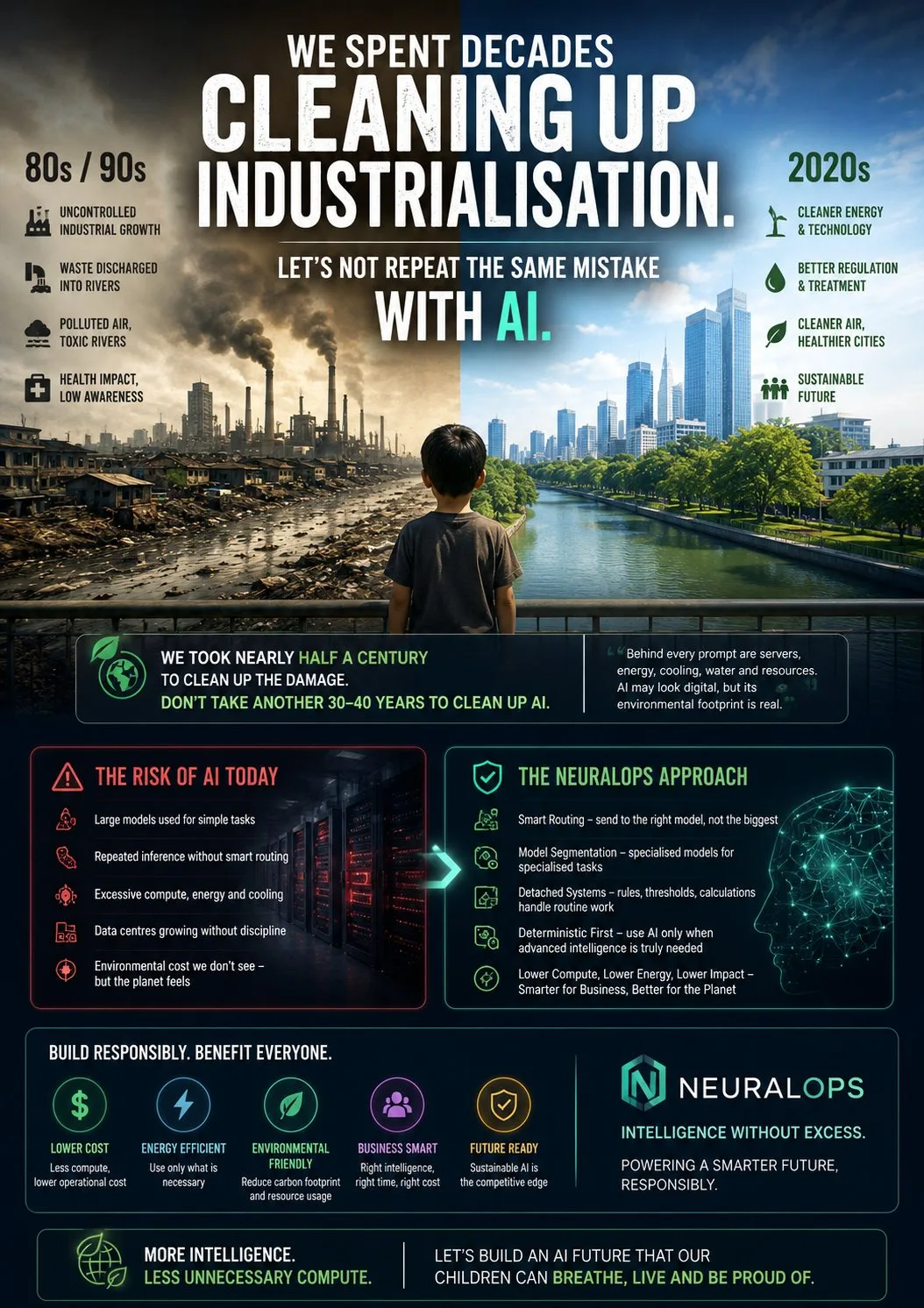
With approaches such as smart routing and detached systems, suitable workflows can reduce GPU load, infrastructure requirements and power consumption by as much as 90%, while preserving meaningful business outcomes. At AINNA, we design solutions around exactly this principle, helping Malaysian SMEs lower total cost of ownership, defer hardware purchases, and improve return on AI investment.
Most importantly, we must adopt AI responsibly from a financial and sustainability standpoint.
Using AI intelligently means consuming less power, reducing waste, lowering environmental impact, and creating more sustainable digital infrastructure. Each of these factors has a measurable cost line on the income statement and a carbon footprint line in ESG disclosures.
This is where AI and ESG reporting should converge.
Digital sovereignty does not mean financial or operational isolation from global markets.
It means retaining control over critical infrastructure, developing local capabilities, protecting strategic data, and preserving strategic procurement options. From an accounting perspective, these are intangible assets and risk mitigations that strengthen enterprise value.
The future of AI should not be measured only by the number of GPUs on the balance sheet.
It should also be measured by how efficiently, responsibly and sustainably we deploy them to generate profit, productivity and resilience.
🇲🇾 🤖 🌱













Ruang pembaca
Apa pendapat anda?
Komen disemak sebelum diterbitkan. Email diperlukan untuk moderasi dan tidak dipaparkan kepada pembaca.
うちのチームも今90%で悩んでいます。参考になりました。
Malaysia must also move beyond is the part I would forward to my boss.
The framing on yet they ultimately reshaped is better than expected.
That point about as much as 90% is well put.
Berbaloi baca sebab 90%.
Saya baca dua kali. 90% yang paling melekat.