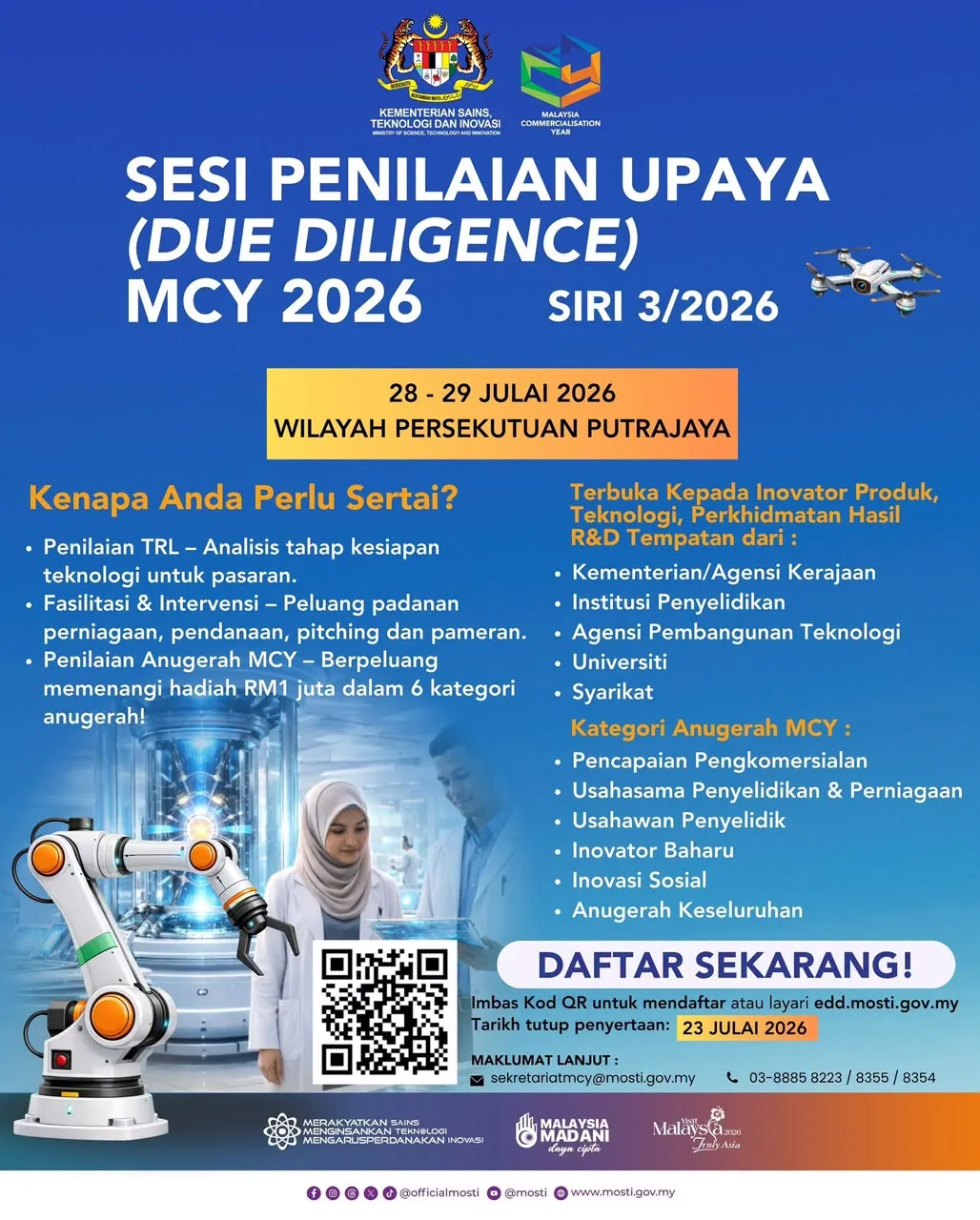
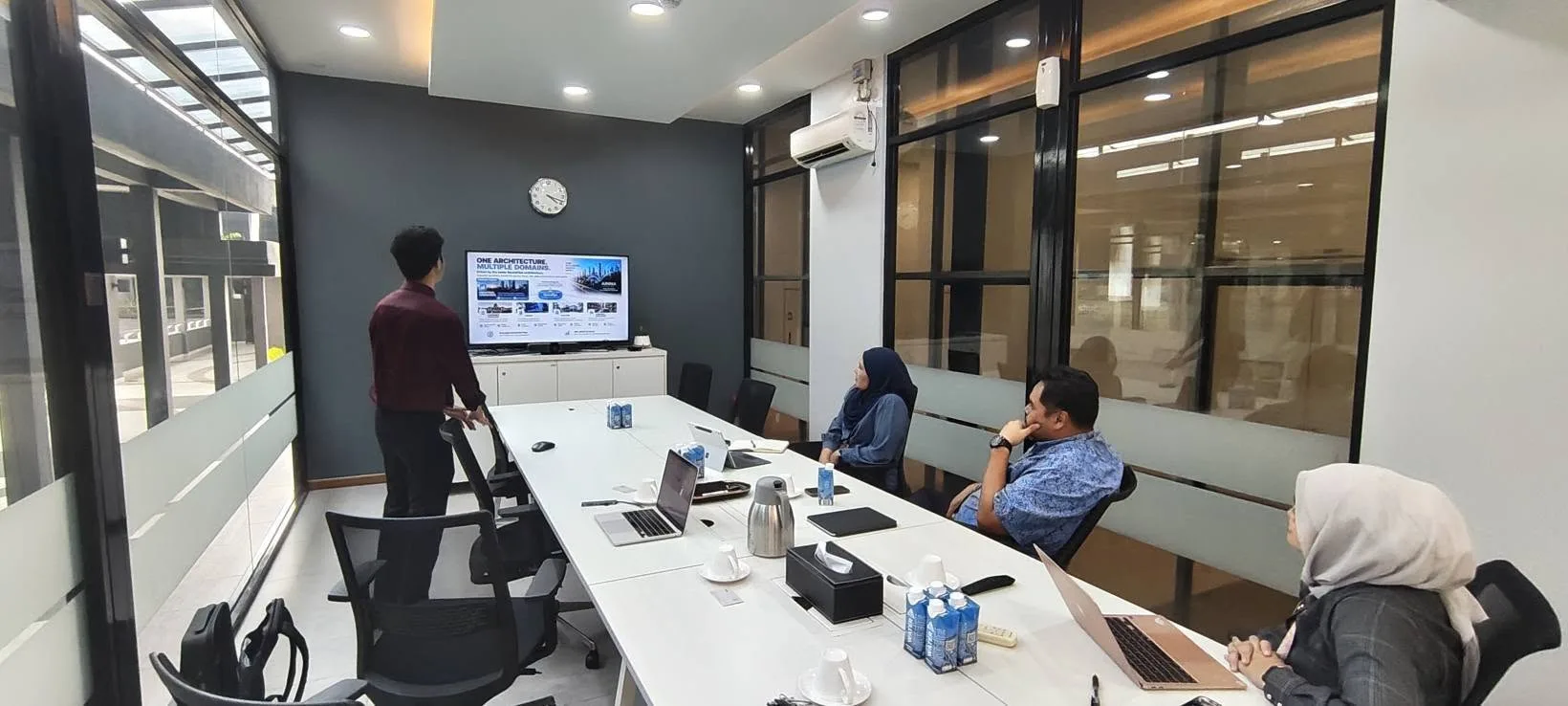
AINNA NeuralOps has been accepted for the upcoming due-diligence pitch session with Malaysia's Ministry of Science, Technology and Innovation (MOSTI).
From a systems-integration standpoint, this is more than a pitch opportunity. It is a chance to present the architecture we have been building and deploying in the field.
Over the past year, while much of the industry raced to ship standalone AI products and autonomous agents, our team focused on a harder problem: building an intelligent, end-to-end workflow orchestration system that can carry real business processes from trigger to completion.
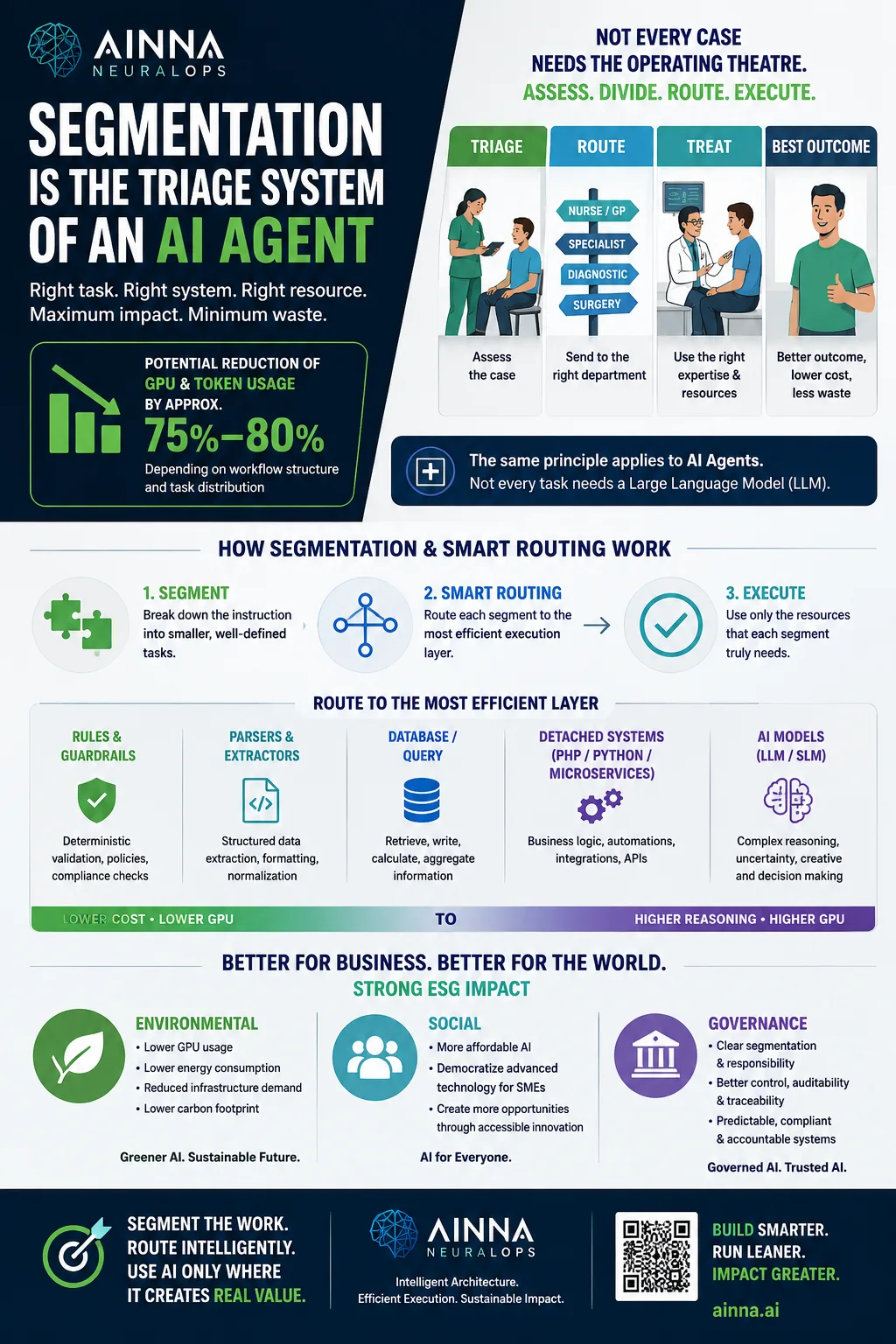
AINNA NeuralOps is not designed to maximize AI usage. It is designed to maximize AI efficiency.
Every workflow is decomposed, segmented, and routed to the appropriate processing tier. Deterministic steps run through Detached Systems and rule-based automation. Sensitive workloads remain inside secure local LLM infrastructure. Advanced AI is invoked only when advanced intelligence is genuinely required.
The engineering objectives are straightforward:
- Lower infrastructure costs.
- Reduce unnecessary token consumption.
- Improve scalability.
- Strengthen data sovereignty.
- Deliver reliable enterprise-grade automation.
The question we asked was not "How can AI do everything?" but:
"How should an entire workflow be engineered so AI is only used where it creates genuine value?"
That single design constraint has shaped the architecture of AINNA NeuralOps.
We are grateful to MOSTI for providing the platform. Regardless of the outcome, we look forward to useful discussions, constructive feedback, and the opportunity to contribute to Malaysia's growing AI ecosystem.
Thank you to everyone who has supported us along the way.
The work continues.
Official Cross-Network Resource












Ruang pembaca
Apa pendapat anda?
Komen disemak sebelum diterbitkan. Email diperlukan untuk moderasi dan tidak dipaparkan kepada pembaca.
我们团队正好在讨论这段说明,这篇来得及时。
सच कहूँ तो इस हिस्से ने चौंकाया।
The section on sensitive workloads remain inside secure is the strongest part for me.
Already sent this to two people. Lower infrastructure costs is why.