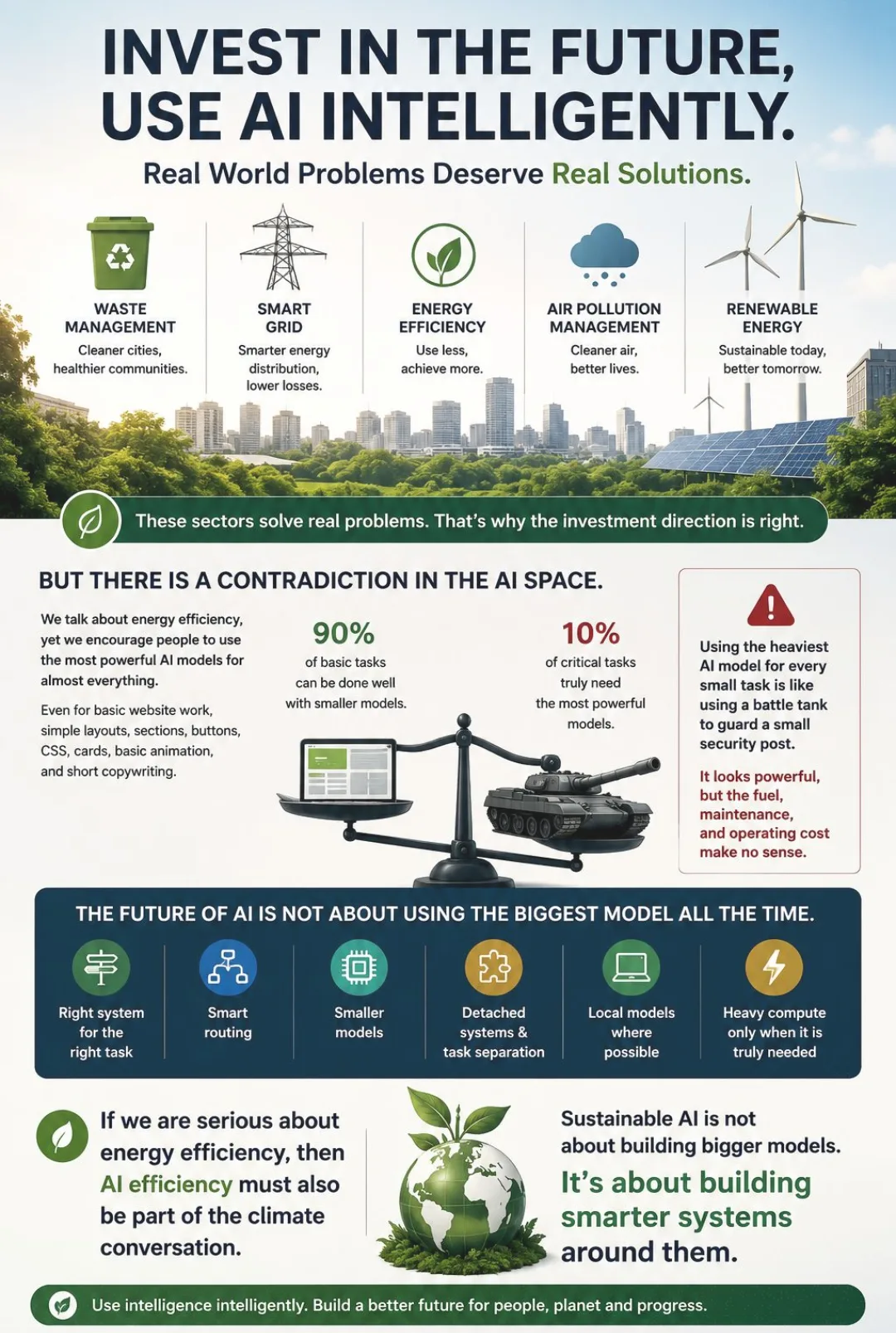
As system builders, we pay close attention to sectors like smart grid, energy efficiency, waste management, air pollution control, and renewable energy. These are systems that touch infrastructure, public health, resource allocation, climate resilience, and long-term economic stability.
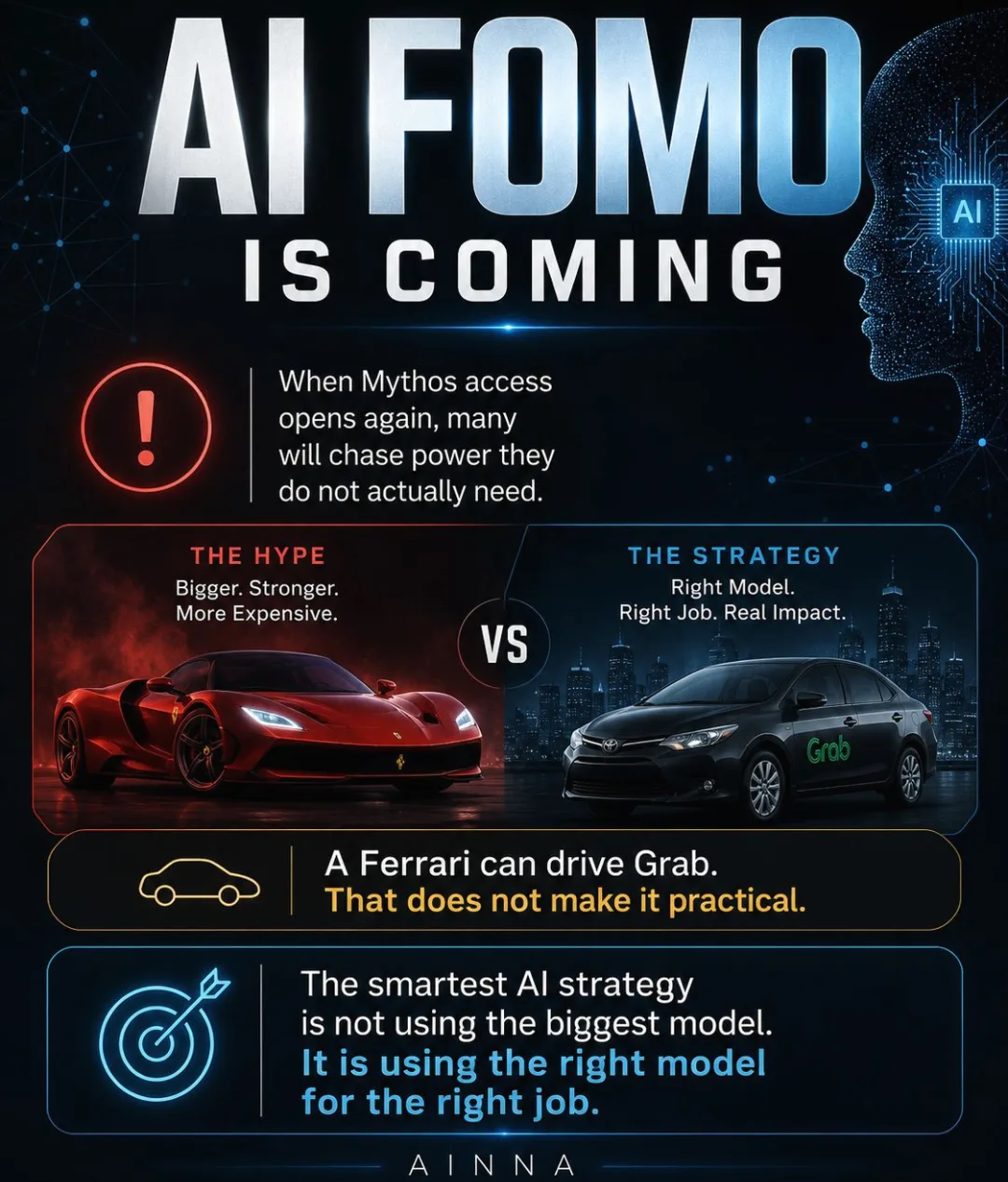
But there is a contradiction inside the AI stack that we need to address. Too many builders default to the largest available LLM for every task, even when the workload is trivial. A landing page layout, a few CSS tweaks, button states, product card components, short marketing copy, or a simple cron job does not require a frontier model. The overhead is not justified.
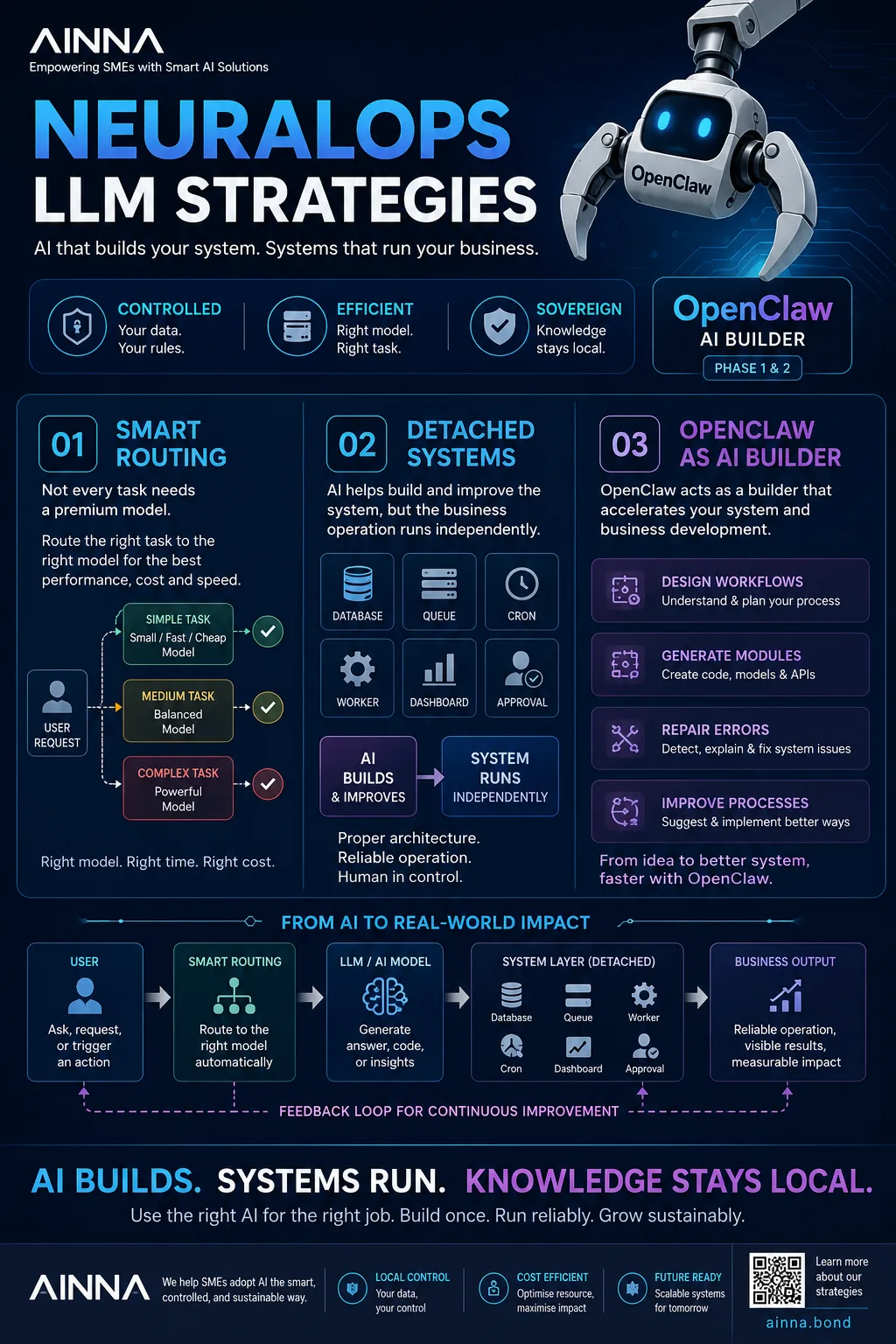
In practice, most everyday engineering work runs fine on smaller coder models, distilled variants, or standard LLMs. Reserve premium models for the cases that actually need them: complex business logic, financial calculations, authentication flows, schema design, compliance checks, or any decision path that affects real operations. That is where deeper reasoning and higher compute cost become worthwhile.
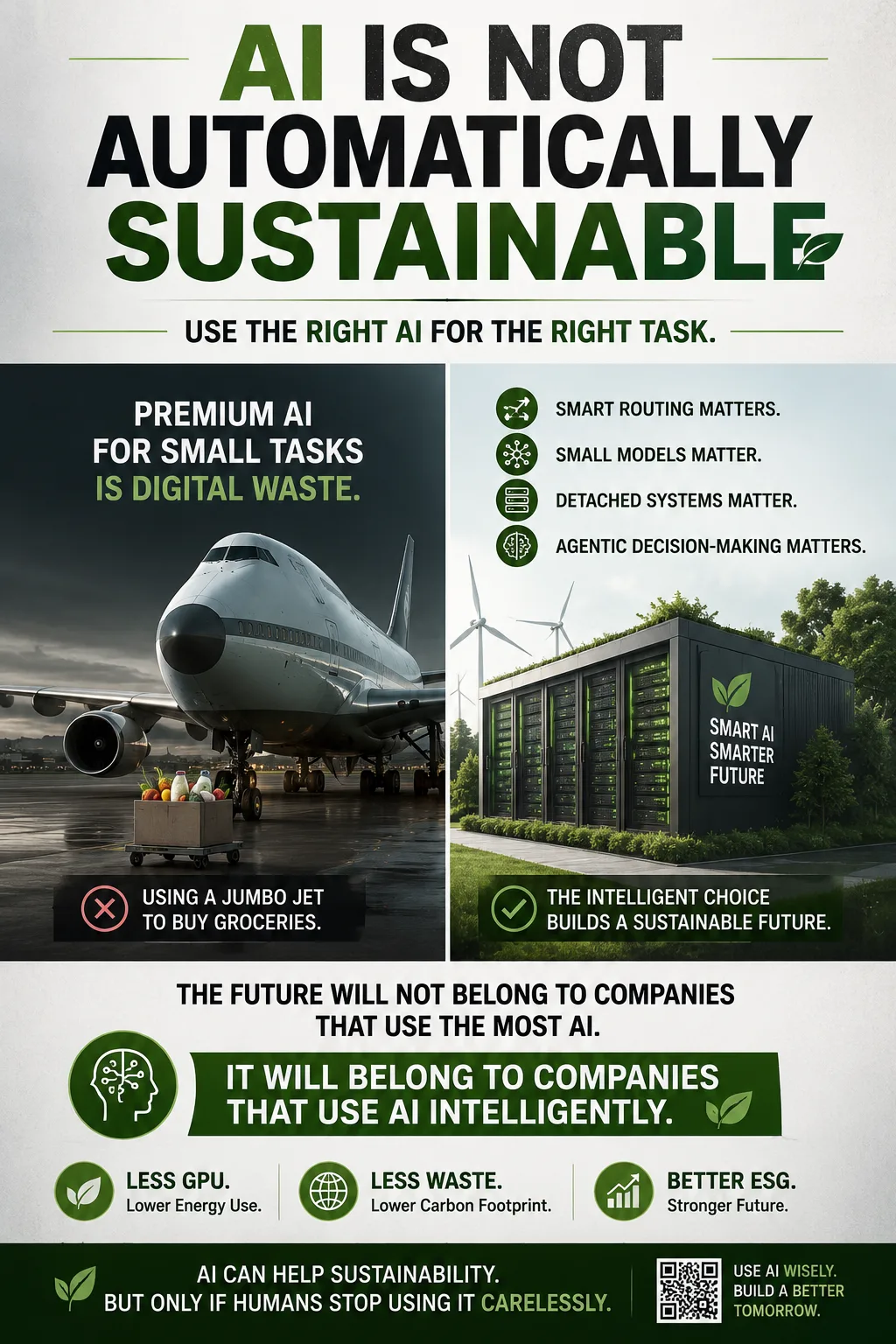
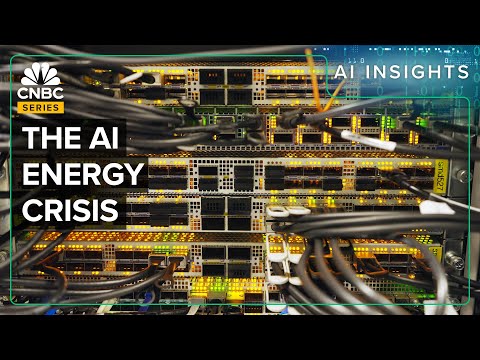
Routing every request to a frontier model is the AI equivalent of over-provisioning a Kubernetes cluster for a static site. It may look robust on paper, but the GPU cycles, latency, token cost, and carbon footprint do not add up.
AI efficiency needs to sit inside the sustainability conversation, not beside it. The next generation of systems should not default to the biggest model. They should use intelligent routing, model cascades, smaller specialized models, decoupled services, task decomposition, local or edge inference where it fits, and heavy compute only when the task actually demands it.
This is not a rejection of large models. It is a call for disciplined architecture. If we take energy efficiency seriously, we must take AI efficiency seriously too. Sustainable AI is not measured only by model size. It is measured by how intelligently we design the systems that use them.













Ruang pembaca
Apa pendapat anda?
Komen disemak sebelum diterbitkan. Email diperlukan untuk moderasi dan tidak dipaparkan kepada pembaca.
إذا كان هناك جزء آخر عن هذا الموضوع فسأقرأه.
The bit about compliance checks is what I keep coming back to.
Clearer than the vendor decks I get about reserve premium models.
The case for long-term is well made.
Still thinking about AI efficiency needs to sit.