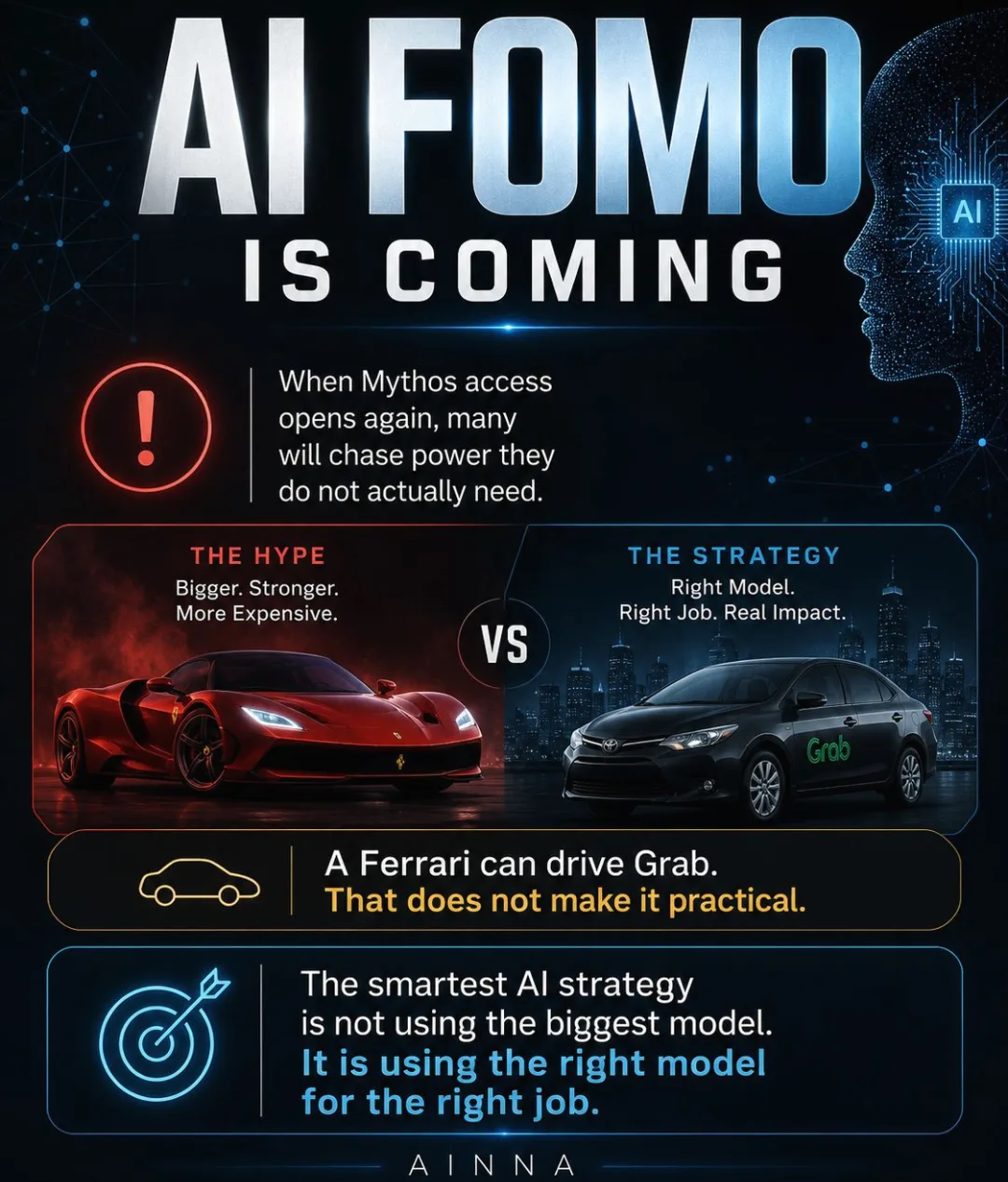
The recent US decision to restrict foreign access to Mythos has generated significant noise across the AI community. From developers and system architects to CTOs and enterprise decision-makers, reactions range from concern to opportunism.
Some teams are already planning migrations. Others are watching how the access landscape will shift. A larger group is primarily driven by the fear of missing out.
If and when access opens again, I expect a substantial wave of AI FOMO. Teams will adopt the largest available models for tasks that do not require that level of capacity, often because competitors appear to be doing the same.
This is similar to deploying a top-tier GPU cluster to run a lightweight classification job. Technically possible? Yes. Impressive on paper? Maybe. Efficient from an architecture standpoint? Usually not.
We are entering a phase where access to a model is treated as a competitive advantage on its own. The perception of exclusivity often generates more excitement than a clear production use case.
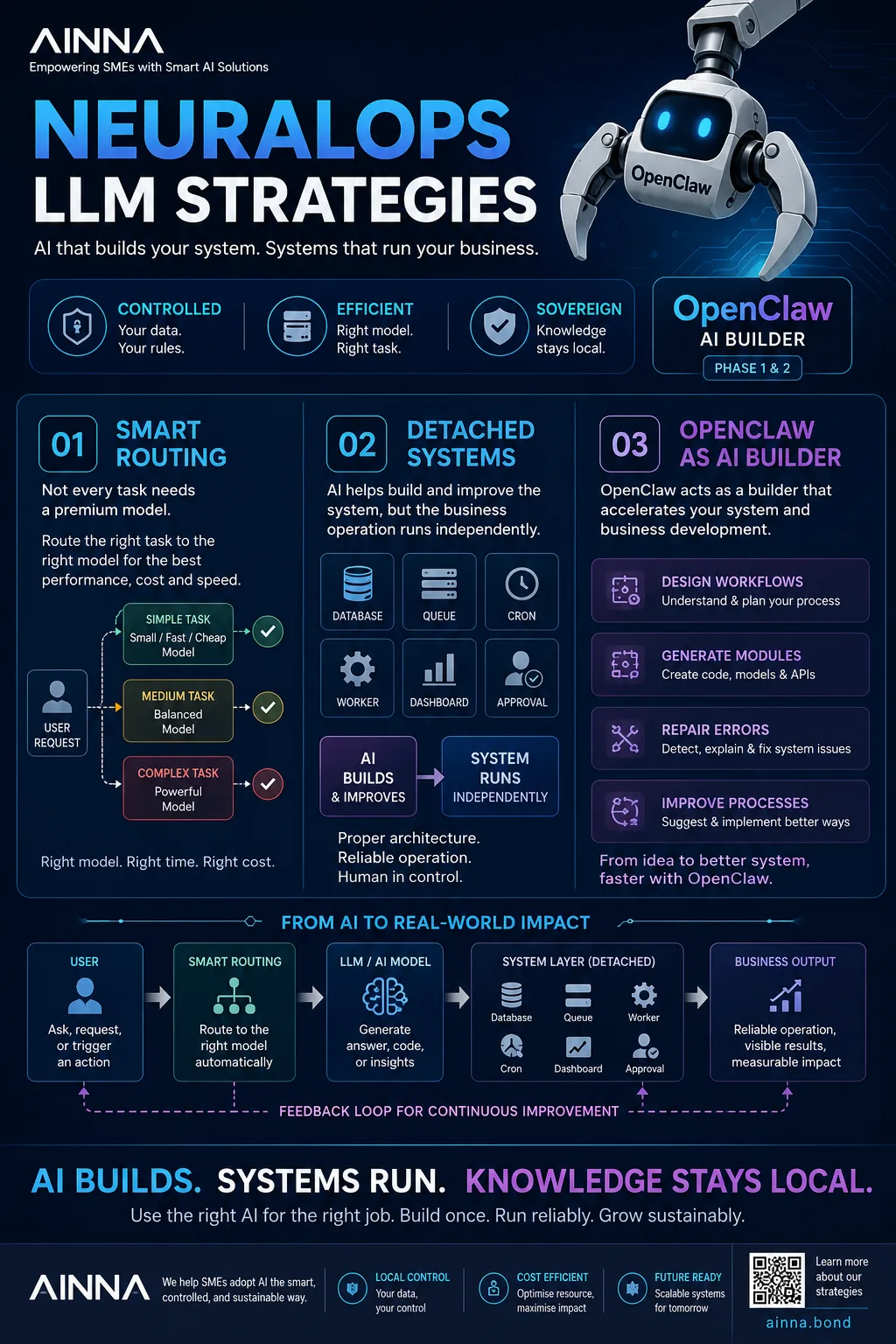
But the real architectural question is not whether your system can call the most capable model available. It is whether your workload actually benefits from it.
Technology history is consistent on this point. The teams that win are rarely the first to adopt the most expensive tooling. They are the ones that map tool capabilities to specific, measurable outcomes.
As AI infrastructure continues to evolve, the ability to separate genuine system requirements from hype will be one of the most valuable skills a technical organization can develop.
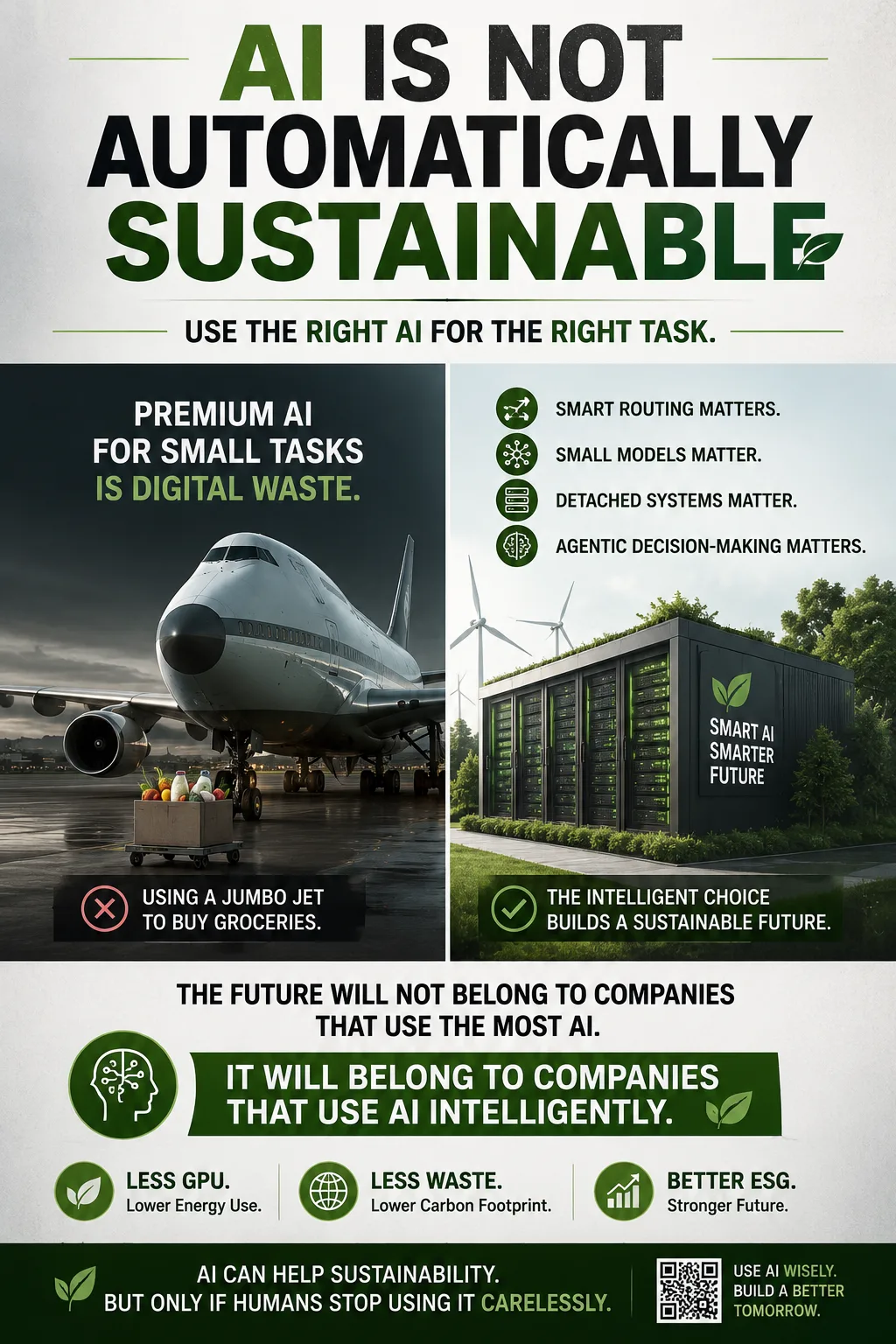
Because the most effective AI strategy is not always about deploying the largest model. Sometimes, it is about knowing when a smaller, faster, or cheaper option is the right option.
#AI #ArtificialIntelligence #LLM #Mythos #FOMO #Innovation #BusinessStrategy #EnterpriseAI #DigitalTransformation #AINNA














Ruang pembaca
Apa pendapat anda?
Komen disemak sebelum diterbitkan. Email diperlukan untuk moderasi dan tidak dipaparkan kepada pembaca.
सेव कर लिया, ख़ासकर इस लेख की वजह से।
decision-makers is what I would forward to my boss.
Nice one. reactions range from concern alone worth the read.
Still thinking about teams will adopt the largest.
Masih mencerna bagian reactions range from concern.
The numbers around top-tier make more sense than most posts I read.
เห็นด้วยเรื่องหัวข้อนี้ และทิศทางชัดเจน
Kung may kasunod tungkol sa paksang ito, babasahin ko iyon.