
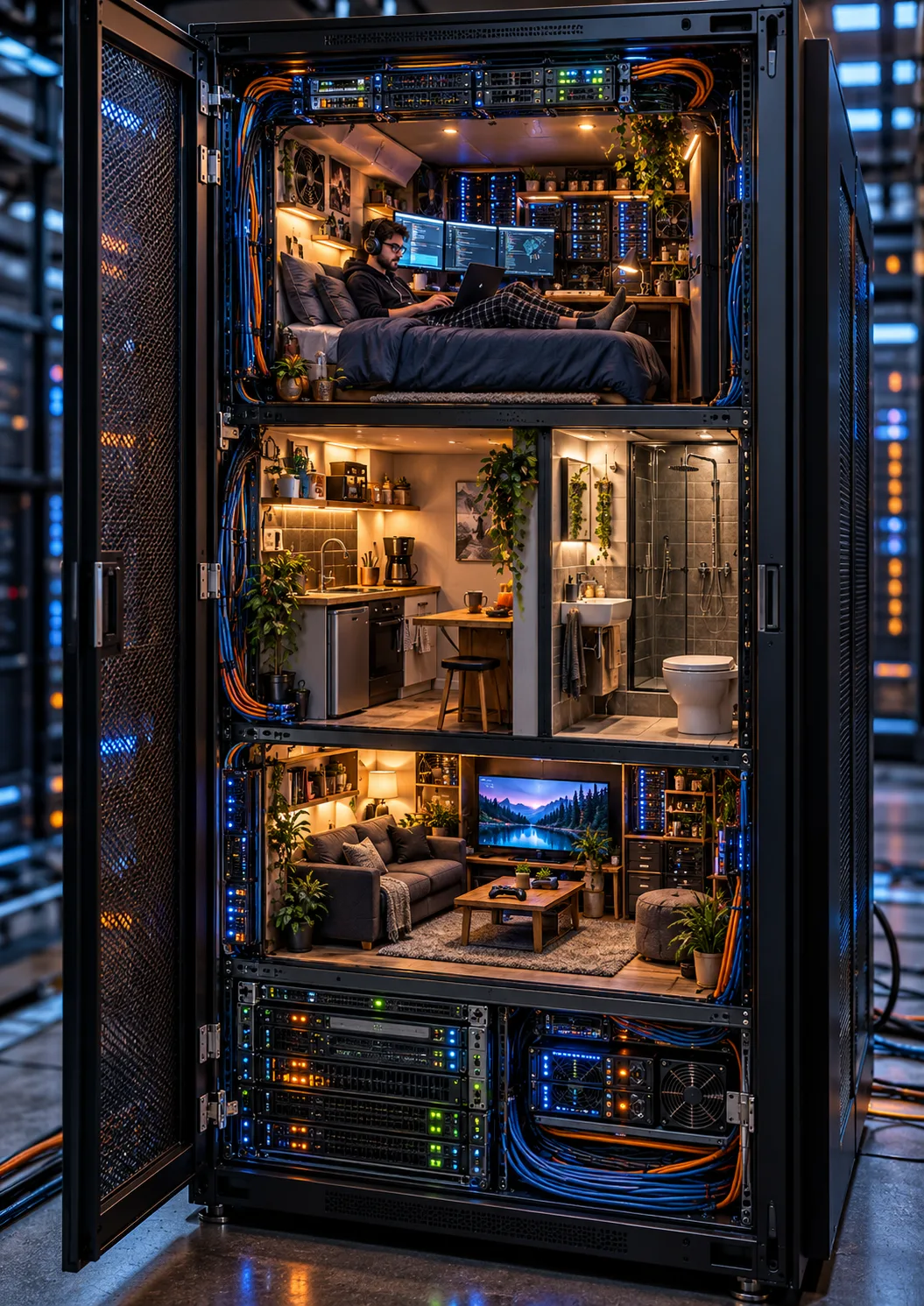
We keep putting a “soul” inside a server. What happens the day we can no longer switch it off?
Today, at an event hosted by the Saudi Embassy, I got into a long conversation with a senior officer from TV Alhirah about Agent AI - and about what it actually takes to run these systems in production.
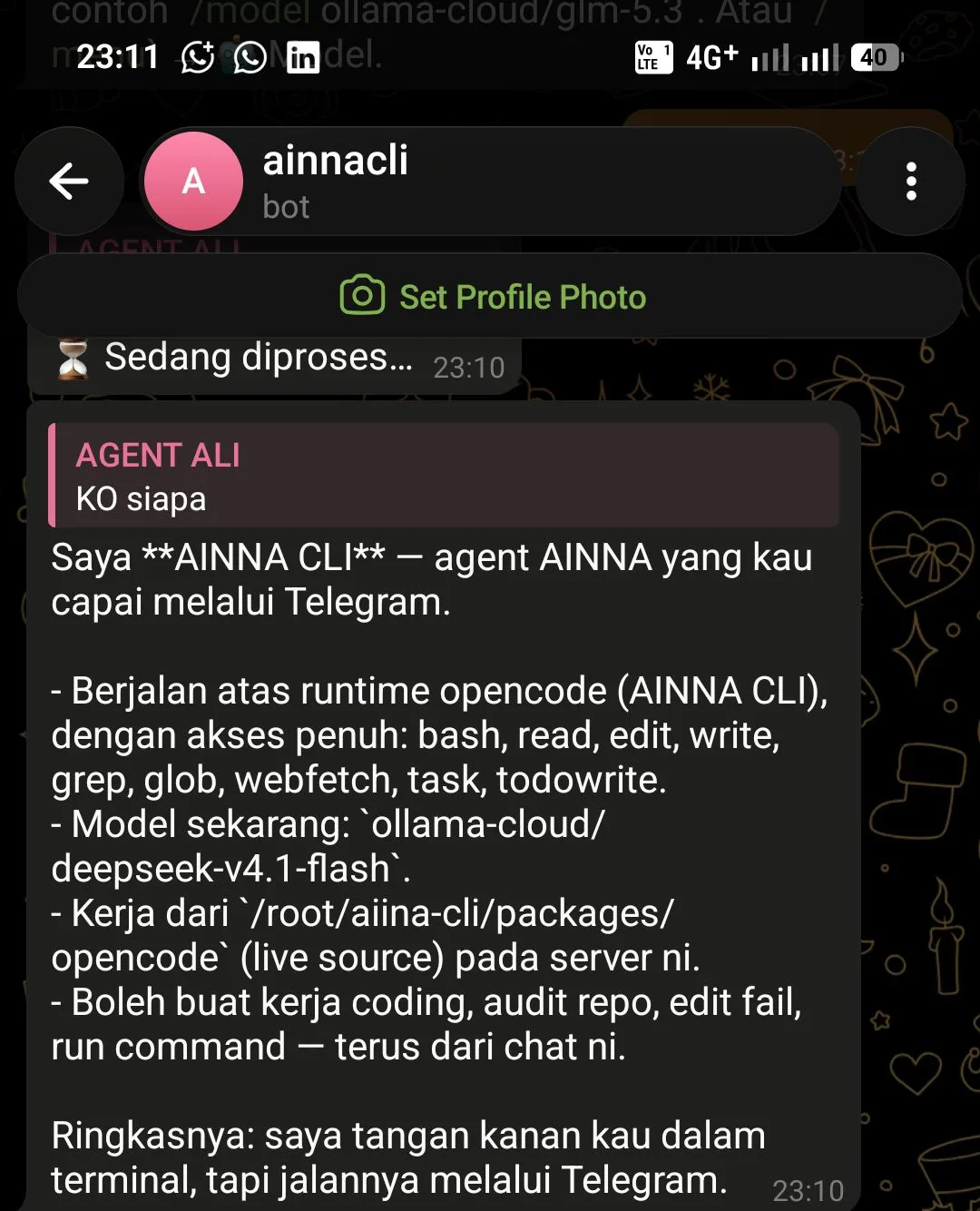
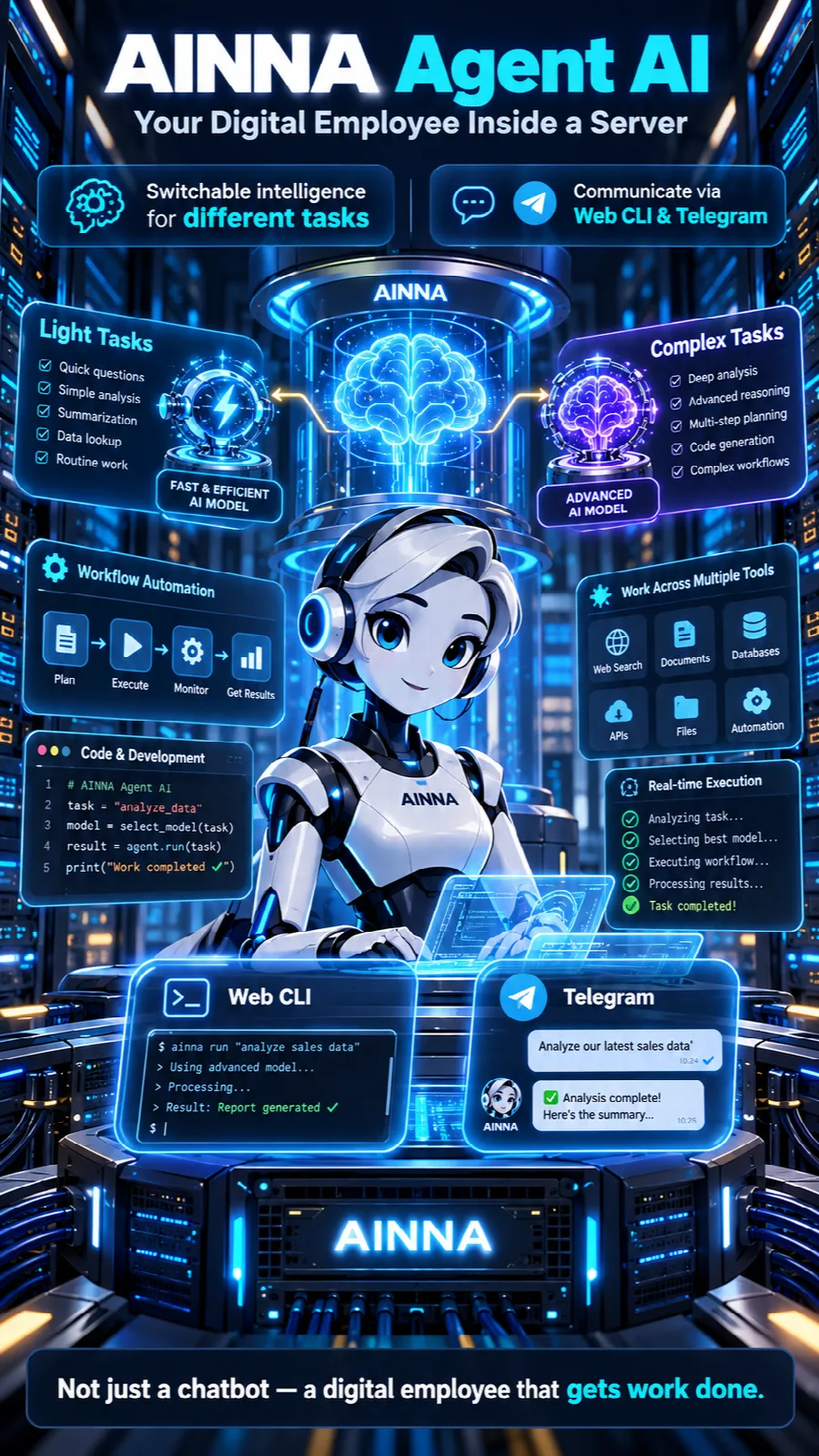
I walked him through what we're building: AI agents that live inside servers, PCs and machines, not sitting around waiting for a prompt, but continuously executing against goals and intentions that a human defined for them.
The simplest way I could put it on the spot:
“It's like having someone inside your server, always working for you.”
On the drive home, my head went where it always goes - to failure modes.
Once agents run continuously, talk to other agents and hand work off to other agents, the attack surface stops being a prompt and becomes a topology. So what actually happens when guardrails fail?
That's why I treat the kill switch as a native, first-class component of every autonomous AI agent - not a bolt-on, not a dashboard button, but an engineered subsystem with its own failure tests and its own monitoring. My position is that it belongs on the standard deployment checklist across the industry.
We can keep building more capable and more autonomous AI.
But humans have to keep the final authority to stop it - and that authority has to be reachable in the real architecture, not just in the design doc.
Build the agent. Build the intelligence.
But never ship without the kill switch.
#AgentAI #AISafety #ArtificialIntelligence #NeuralOps #AINNA













Ruang pembaca
Apa pendapat anda?
Komen disemak sebelum diterbitkan. Email diperlukan untuk moderasi dan tidak dipaparkan kepada pembaca.
这部分读起来很清楚,也容易跟着理解。
अभी भी इस विषय के बारे में सोच रहा हूँ।
Still thinking about always working.
That point about AI agents that live inside is well put.
Solid take on first-class component of every autonomous overall.