Today’s task reinforced one simple principle:
A system that works is not necessarily a system that can scale.
When an internal system starts moving toward public use, the challenge is no longer just adding features. The architecture itself has to change.
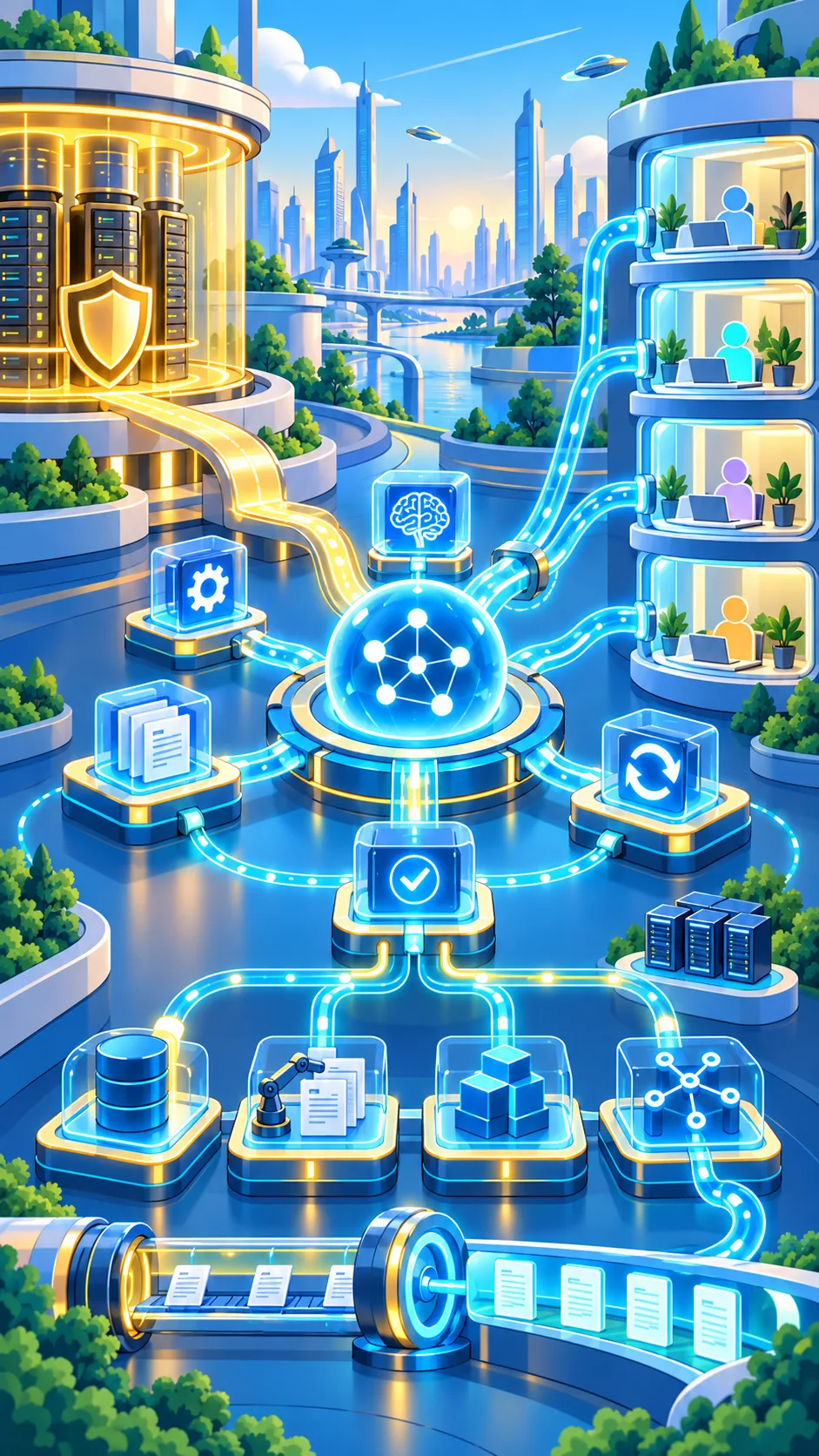
The original production system should remain the Golden System - stable, controlled, and protected.
From there, the goal is to separate reusable core logic from environment-specific behaviour, isolate user data, enforce ownership and permissions, and make every process traceable, retryable, and recoverable.
This is where the process becomes much easier with an orchestration layer such as NeuralOps.
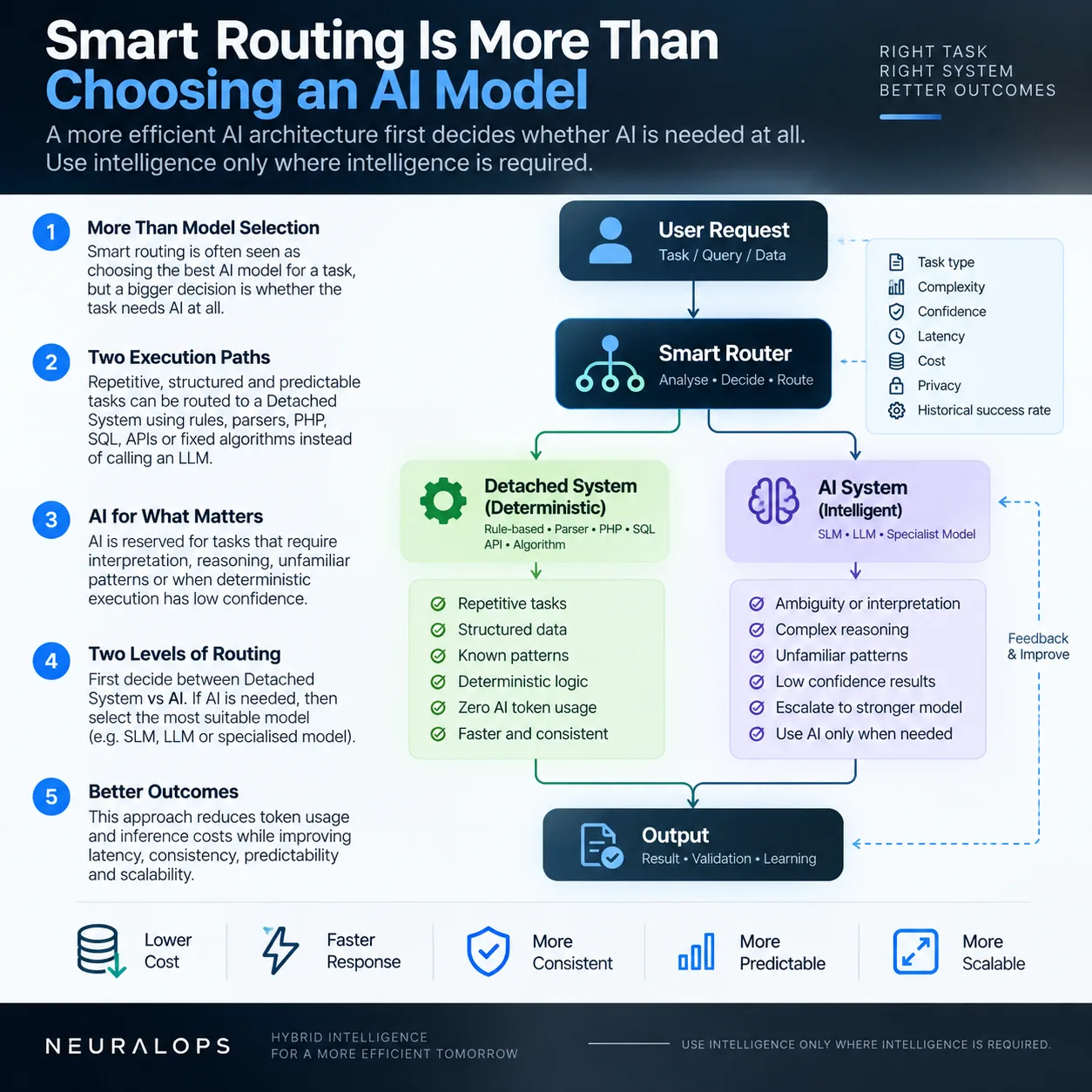
Instead of forcing one large AI or one monolithic application to understand and execute everything, different tasks can be routed to the right agent, service, parser, database, or deterministic process.
The AI does not need to control everything.
It only needs to handle the parts where intelligence is actually required.
The rest can remain structured, deterministic and auditable.
That makes it easier to manage:
core vs adapter, tenant isolation, job ownership, retries, validation, permissions, audit trails, storage boundaries and version control.
The principle remains simple:
Do not scale by copying systems. Scale by separating what is common from what is specific - then orchestrate them properly.
That is how a working system becomes a reusable platform.
#SystemArchitecture #NeuralOps #AgenticAI #SaaS #SoftwareEngineering #Scalability #AIInfrastructure