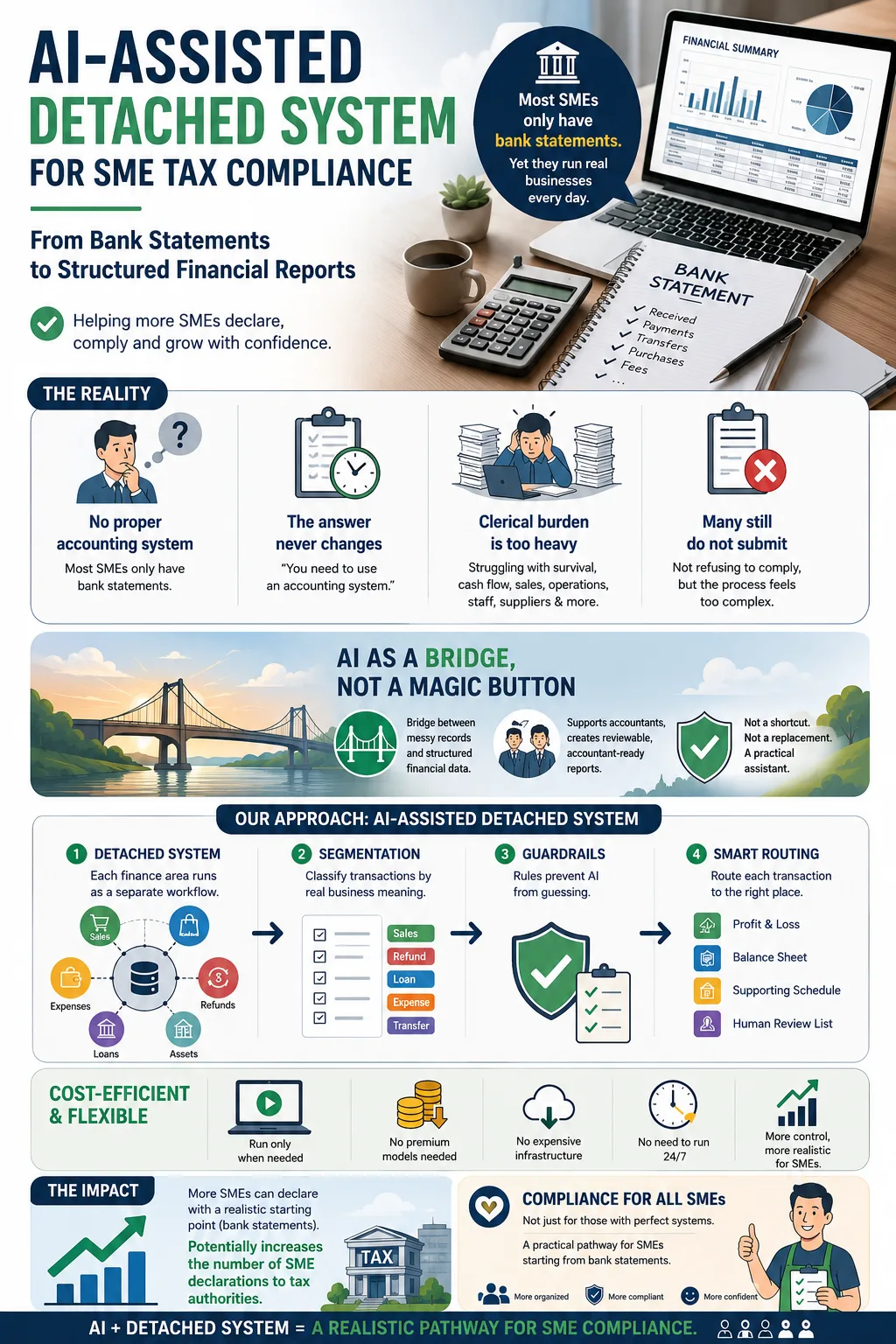
In SME accounting, we often hear business owners say, “This is why automation cannot be trusted,” when a profit figure looks wrong or a tax filing misses the mark. But the blame is usually pointed at the wrong place. What failed was not the automation. What failed was the classification underneath it. Whether it is a capital expense booked as a revenue cost, a director’s advance recorded as sales, or inventory counted as a fixed asset, that single misclassification changes the entire picture of the business. It affects the Profit & Loss statement, the Balance Sheet, tax payable, and ultimately, the decisions the owner makes.
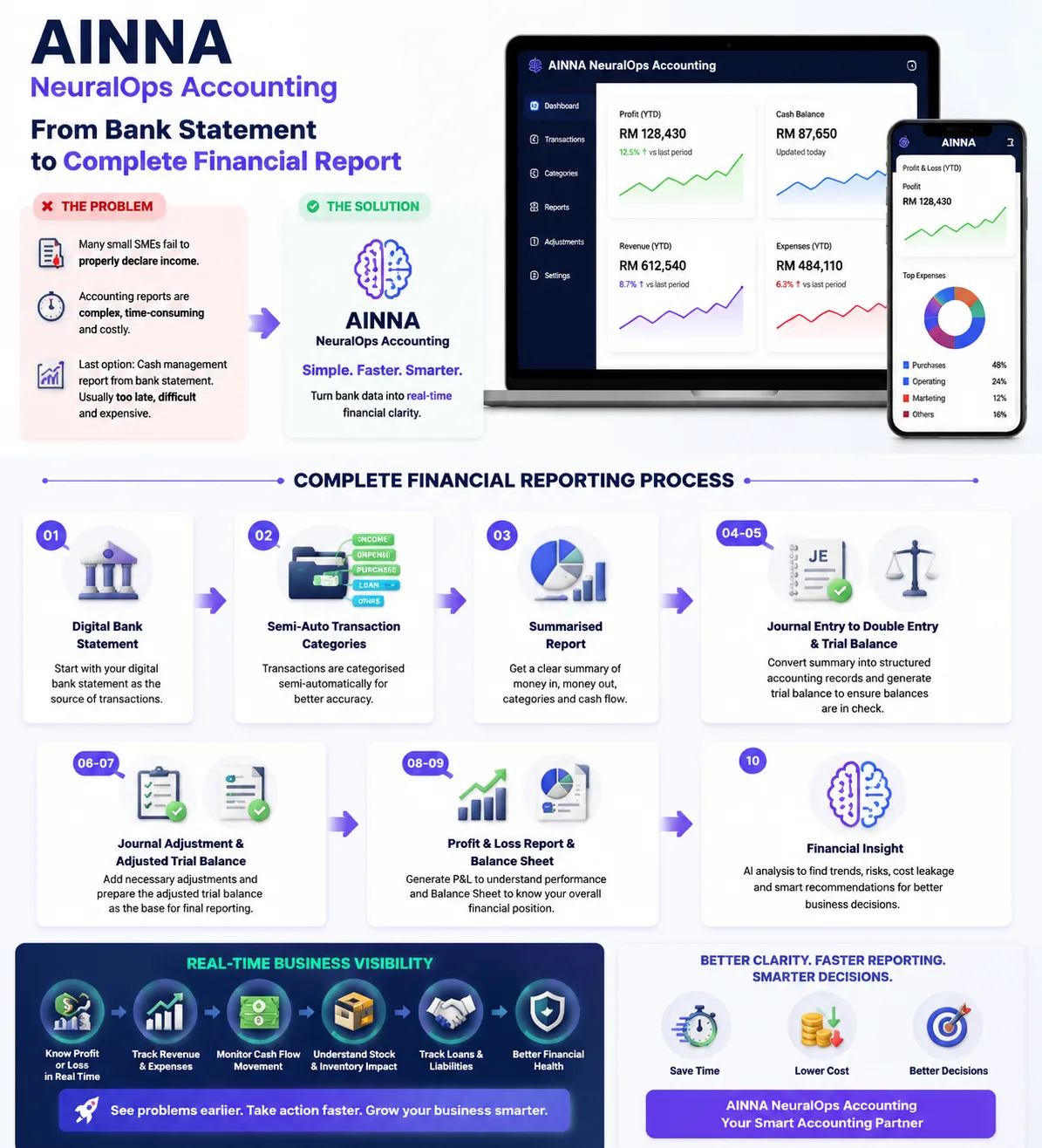
This is not about catching mistakes for the sake of compliance. It is about making sure that management accounts, tax positions, and funding documents are built from definitions that are consistent, auditable, and grounded in the facts. In finance, one line item like “retained earnings” or “cost of goods sold” can change how a banker reads the company. The same discipline applies directly to AI agents and NeuralOps deployments at AINNA. If a business has not standardised how it classifies revenue, assets, and expenses, an AI agent will automate that inconsistency across every report it touches.
AI agents do not create accounting discipline from messy books. They execute the rules, chart of accounts, workflows, and control parameters we feed them. If a category is defined loosely, or if one branch books a transaction differently from another, the agent will replicate and accelerate that error. A manual error in one invoice is already expensive. An automated error applied across hundreds of invoices, inventory movements, or asset schedules can distort cash flow visibility, working capital, and tax positions before the next month-end close.
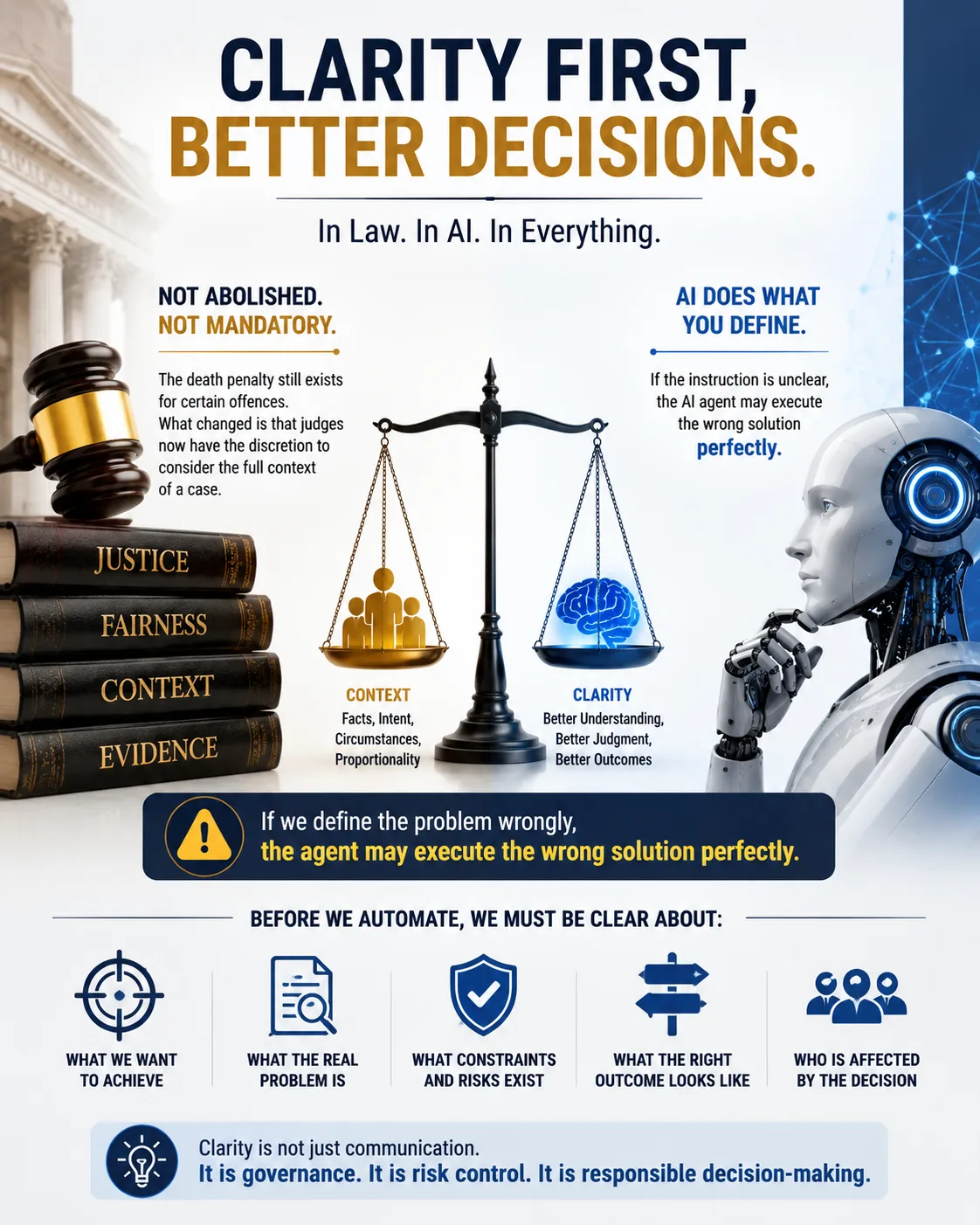
This is why financial clarity must come before AI-enabled automation. Before we ask an AINNA solution to classify transactions, reconcile ledgers, forecast cash flow, depreciate assets, or flag anomalies, the SME must first agree on what each transaction means and where it belongs. Clarity is not just bookkeeping hygiene. Clarity is internal control. Clarity is cost containment. Clarity is the difference between an AI agent that strengthens financial decision-making and one that turns a small coding issue into a company-wide reconciliation problem.
Whether in statutory accounts, management reporting, tax compliance, or AI-assisted finance operations, the lesson is the same. Do not automate what you have not defined. Do not let assumptions replace a proper chart of accounts. And do not expect an AI agent to produce a clean set of books when the financial definitions behind it are already unclear.
When the Books Are Miscoded, the AI Will Misread the Business✎ Edit
Official Cross-Network Resource
Explore This Topic
Business & SMEs
Related Articles
Related Articles
Related Videos














Ruang pembaca
Apa pendapat anda?
Komen disemak sebelum diterbitkan. Email diperlukan untuk moderasi dan tidak dipaparkan kepada pembaca.
इस विषय से सहमत हूँ और दिशा साफ़ है।
Worth reading just for tax payable.
Lebih jelas daripada dek vendor yang saya terima pasal what failed.