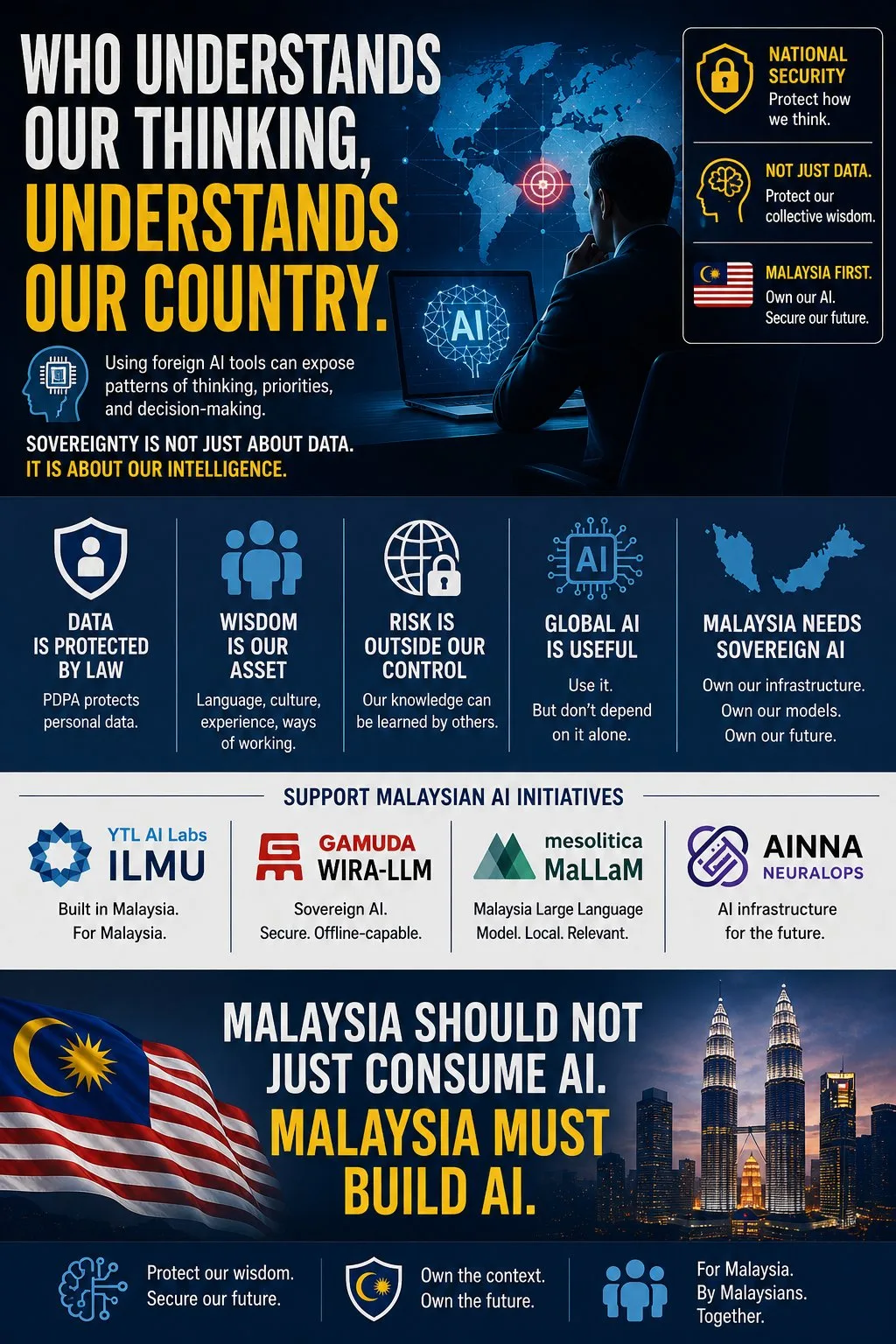
Imagine the finance director of a Malaysian SME using a foreign-hosted AI assistant to draft budgets, analyse cash flow scenarios, review supplier contracts, model tax positions, and refine pricing strategies. Over time, even without uploading any confidential spreadsheet, the system observes patterns. Cost-to-revenue assumptions, margin sensitivities, negotiation thresholds, working capital rhythms, and risk appetite begin to form a predictable profile-one that is stored, refined, and monetised outside the country.
That is the real concern from a finance and asset management perspective. Digital sovereignty is not only about preventing data breaches or satisfying PDPA obligations. It is about retaining ownership of the operational intelligence embedded in how a business runs. When the thinking layer sits on servers we do not control, the risk is not merely leakage. It is the gradual transfer of organisational wisdom to a foreign balance sheet.
Data and wisdom are different line items. Customer records and IC numbers must be protected, and that obligation is non-negotiable. But collective wisdom is the intangible asset built from years of trial and error: how an SME manages stock, prices for seasonality, structures credit terms, handles SST and customs workflows, and adapts to local banking and regulatory realities.
For Malaysia, that intangible asset has real economic value. It lives in the way local businesses reconcile invoices, manage multi-tier supply chains, communicate in Bahasa Malaysia and regional dialects, and respond to B40 and M40 consumption patterns. It includes government-procurement experience, halal certification workflows, micro-SME financing habits, and industry-specific SOPs refined through decades of operation.
This is not an argument against global AI. Global AI is a useful tool and should remain part of the technology mix. But procurement decisions need to distinguish between consumption and ownership. If our financial models, board papers, operational workflows, and local business heuristics continue to flow mainly into platforms we rent rather than assets we control, we convert strategic IP into a recurring operating expense.
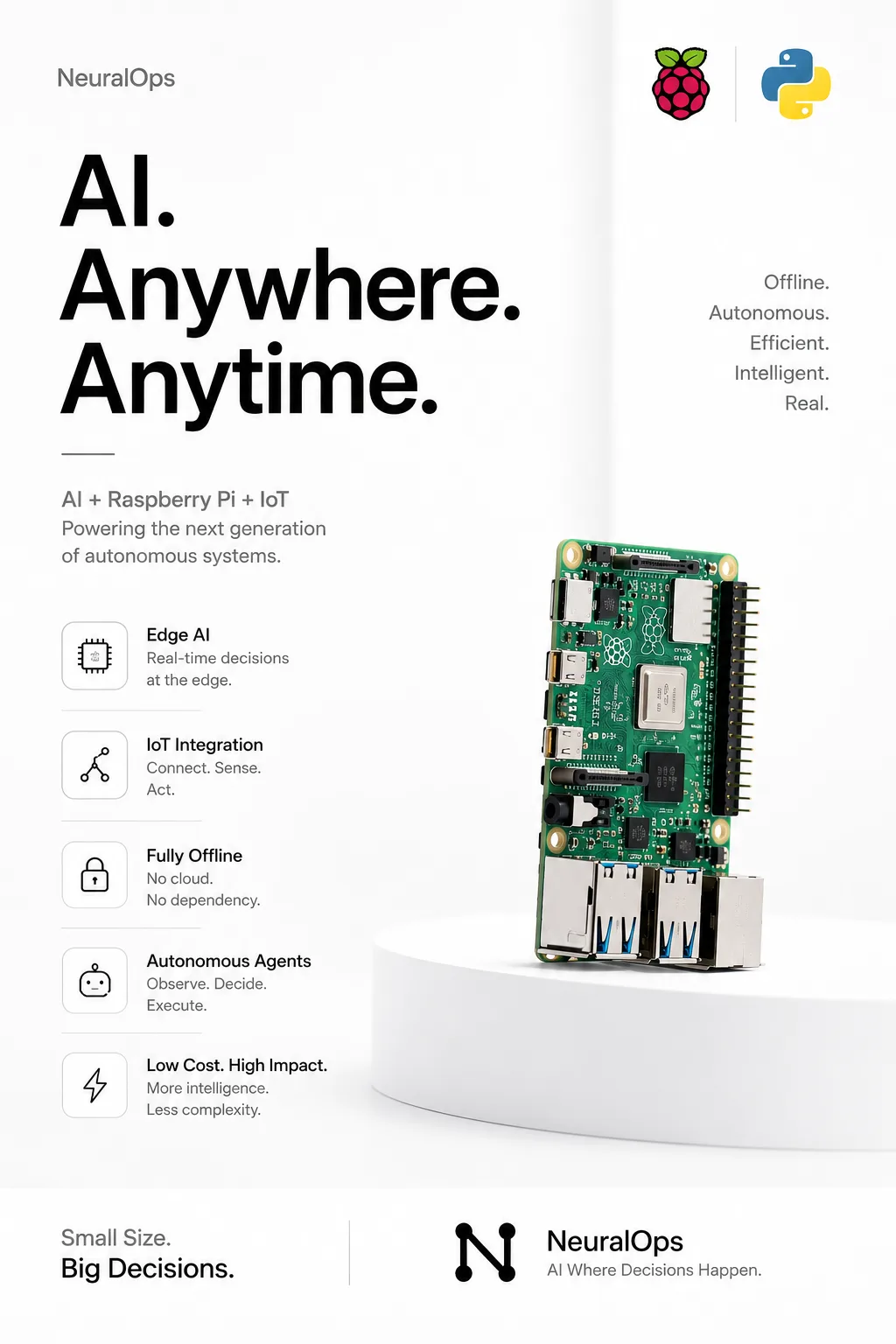
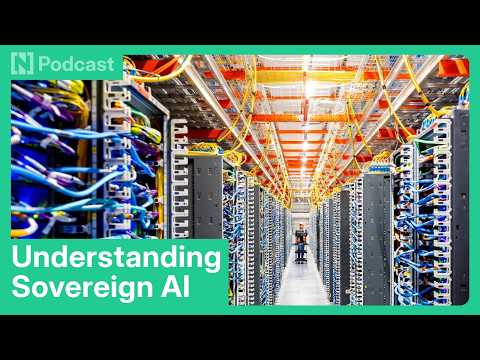
Malaysia needs sovereign AI infrastructure: locally governed models, secure on-premise or sovereign-cloud deployments, and workflows that understand Malaysian accounting standards, SME cash flow cycles, public-sector procurement rules, and regional compliance requirements. That is why local initiatives such as YTL AI Labs with ILMU, Gamuda Technologies with Wira-LLM, Mesolitica with MaLLaM, and operational platforms such as AINNA NeuralOps deserve attention not only as technology projects, but as capital investments in national productivity.
From where I sit in finance and accounting, the future of AI is a capital allocation question. Personal data is protected by regulation; collective wisdom must be protected by architecture. Malaysian businesses should not just subscribe to AI. We should put it on the books, depreciate it, secure it, and use it to generate returns that stay within the country.












Ruang pembaca
Apa pendapat anda?
Komen disemak sebelum diterbitkan. Email diperlukan untuk moderasi dan tidak dipaparkan kepada pembaca.
40 tu bahagian yang saya nak hantar pada boss.
Solid take on customer records and IC numbers overall.
The figures on imagine the finance director make more sense than most posts.
Useful. We are dealing with respond to B40 40 right now.
Good to finally see handles SST and customs workflows set out this clearly.
B40 and M40 40 - that is the whole thing in one line.
Bookmarked, mostly for digital sovereignty.
Already sent this to two people. how an SME manages stock is why.