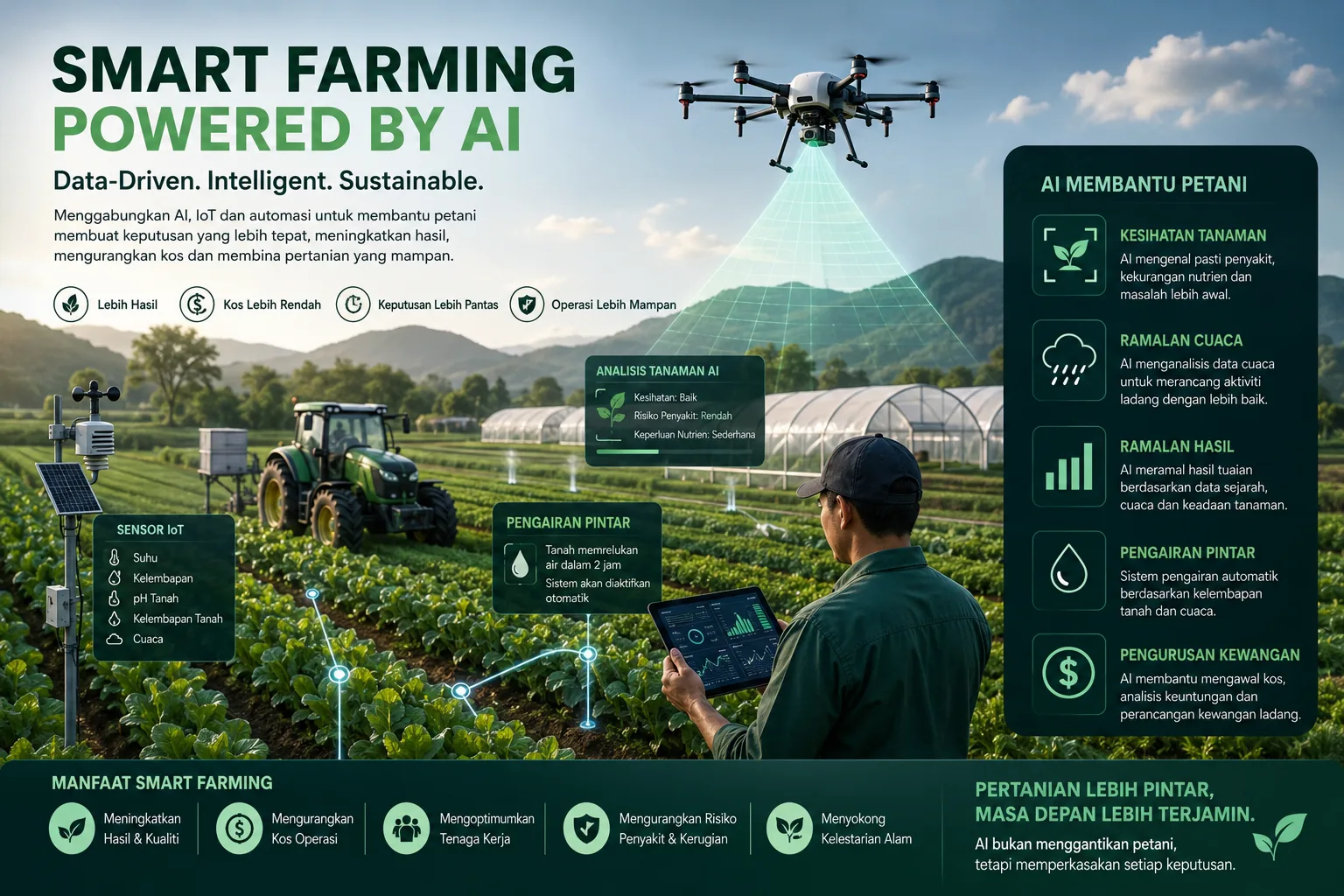
At AINNA, when we work with agribusiness owners, we often see the same assumption: that a larger AI footprint will automatically deliver larger returns. In practice, the greater financial risk is not undersized AI; it is an oversized and poorly matched cost structure.
The real challenge is designing AI systems whose unit economics remain sound as the operation scales.
A typical farm generates thousands of data points each day from soil sensors, weather stations, cameras, drones, irrigation systems, livestock monitoring, and operational records. If every data point is sent continuously to premium cloud AI models, compute becomes a recurring operating expense that erodes margins and slows adoption.
That is where the financial architecture changes.
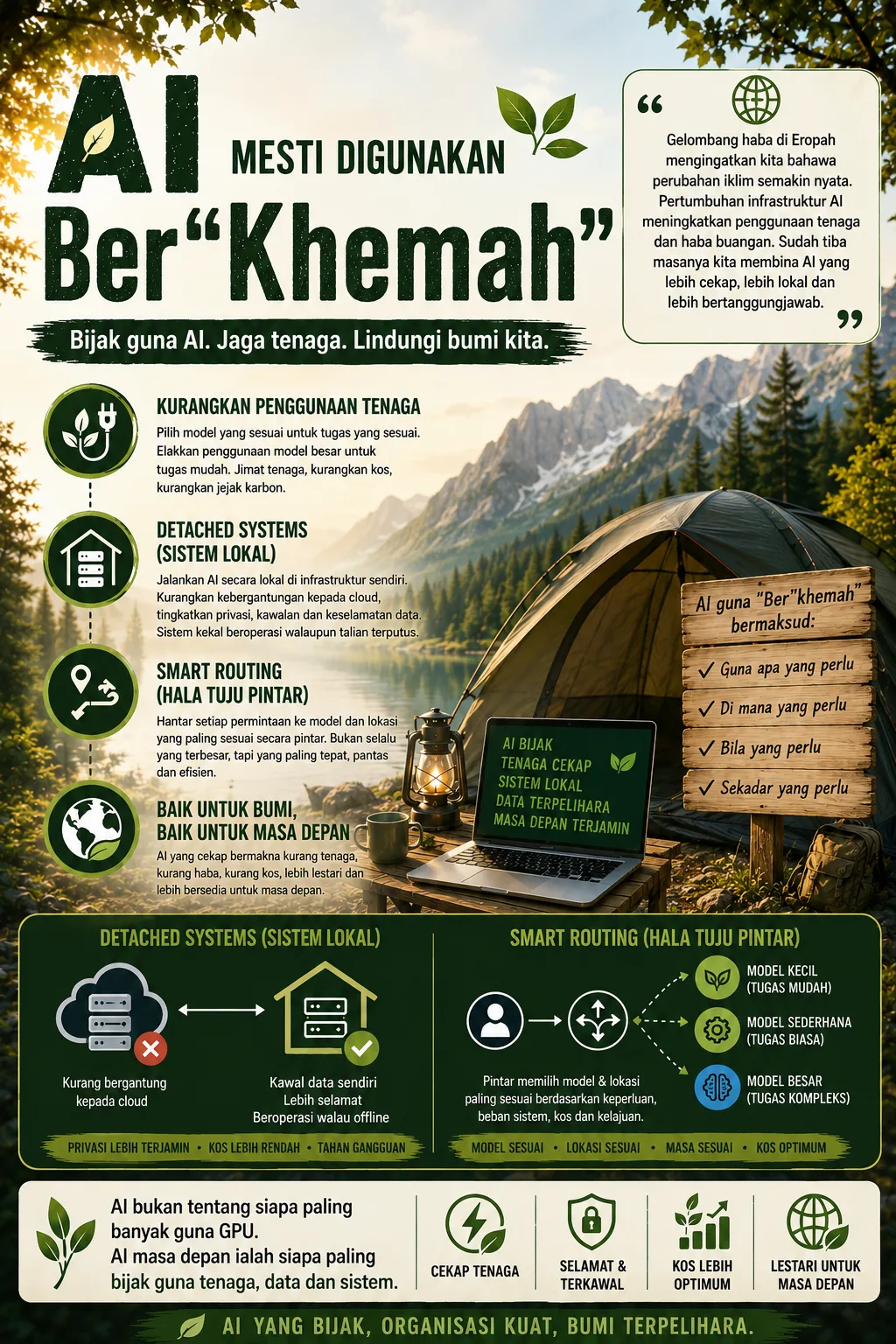
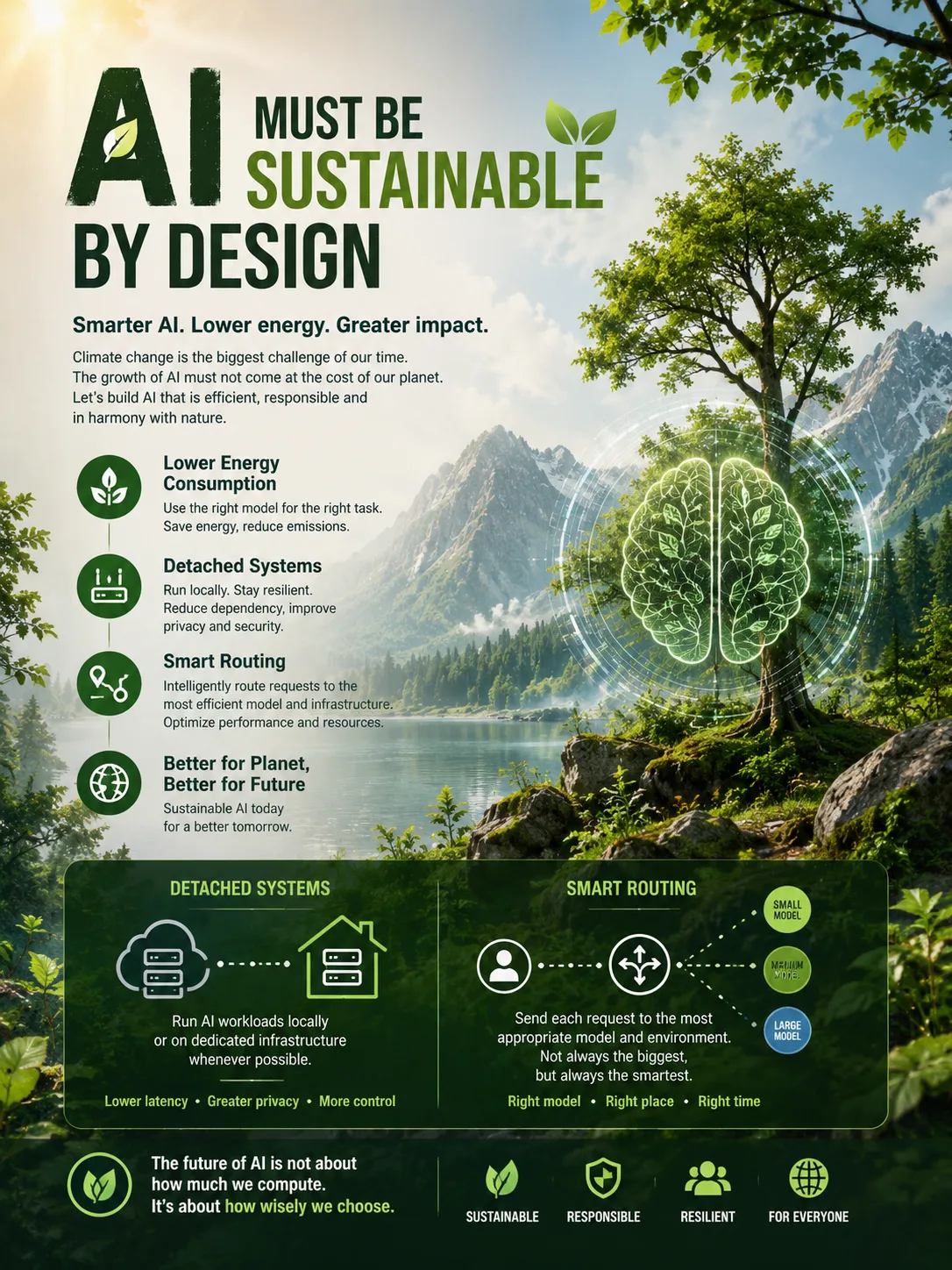
By combining Edge AI, Detached Systems, and Smart Routing, a farm can process the majority of data locally and in realtime while engaging advanced AI only for exceptions that materially affect yield, cost, or risk.
Routine activities such as monitoring soil moisture, temperature, irrigation status, and equipment health can be handled automatically by local systems and Edge AI at a low marginal cost. Advanced AI models are only triggered when anomalies are detected, disease risks emerge, forecasts are required, or strategic decisions need deeper analysis that justifies the spend.
The result is an intelligent operating model that stays responsive without continuously consuming costly AI resources.
More importantly, agricultural data stops being a passive record of past activities and becomes a productive asset. Farmers gain faster insights, sharper decision-making, and clearer visibility into the drivers of profitability.
The future of Smart Farming is not simply about automation.
It is about creating an intelligent operating layer that connects data, infrastructure, and AI in a way that is scalable, practical, and sound from a total-cost-of-ownership perspective.
As global food demand rises and margins stay tight, the Malaysian agribusinesses that create durable value will not necessarily be those with the biggest AI systems, but those that deploy intelligence efficiently, at the right place, at the right time, and at the right cost for their P&L.
Smart Farming is no longer just about growing crops. It is about growing a disciplined, return-focused intelligence capability.
#SmartFarming #AgriTech #ArtificialIntelligence #EdgeAI #IoT #DigitalAgriculture #PrecisionAgriculture #Innovation #DataDriven #FutureOfAgriculture #AI #MachineLearning #FoodSecurity #SmartRouting #NeuralOps #AINNA #AgricultureTechnology #DigitalTransformation #SustainableTechnology #FarmInnovation














Ruang pembaca
Apa pendapat anda?
Komen disemak sebelum diterbitkan. Email diperlukan untuk moderasi dan tidak dipaparkan kepada pembaca.
मुझे इस हिस्से वाला हिस्सा पसंद आया, यह बहुत सैद्धांतिक नहीं है।
This is where advanced AI models finally clicks.
Still thinking about decision-making.
Whoever wrote this actually did the work on total-cost-of.
Baru kali ini ada yang bahas routine activities dengan jujur.
Sent this to two people already. Routine activities is why.
ส่วนเนื้อหานี้คือสิ่งที่ผมจะส่งให้หัวหน้า
First piece I have read that treats compute becomes a recurring operating honestly.