
One of the ways I protect the budget for distilling our own LLM is by treating inference cost as a controllable operating expense, not a fixed overhead.
The financial rule is simple:
Do not spend model capacity on decisions that have already become predictable.
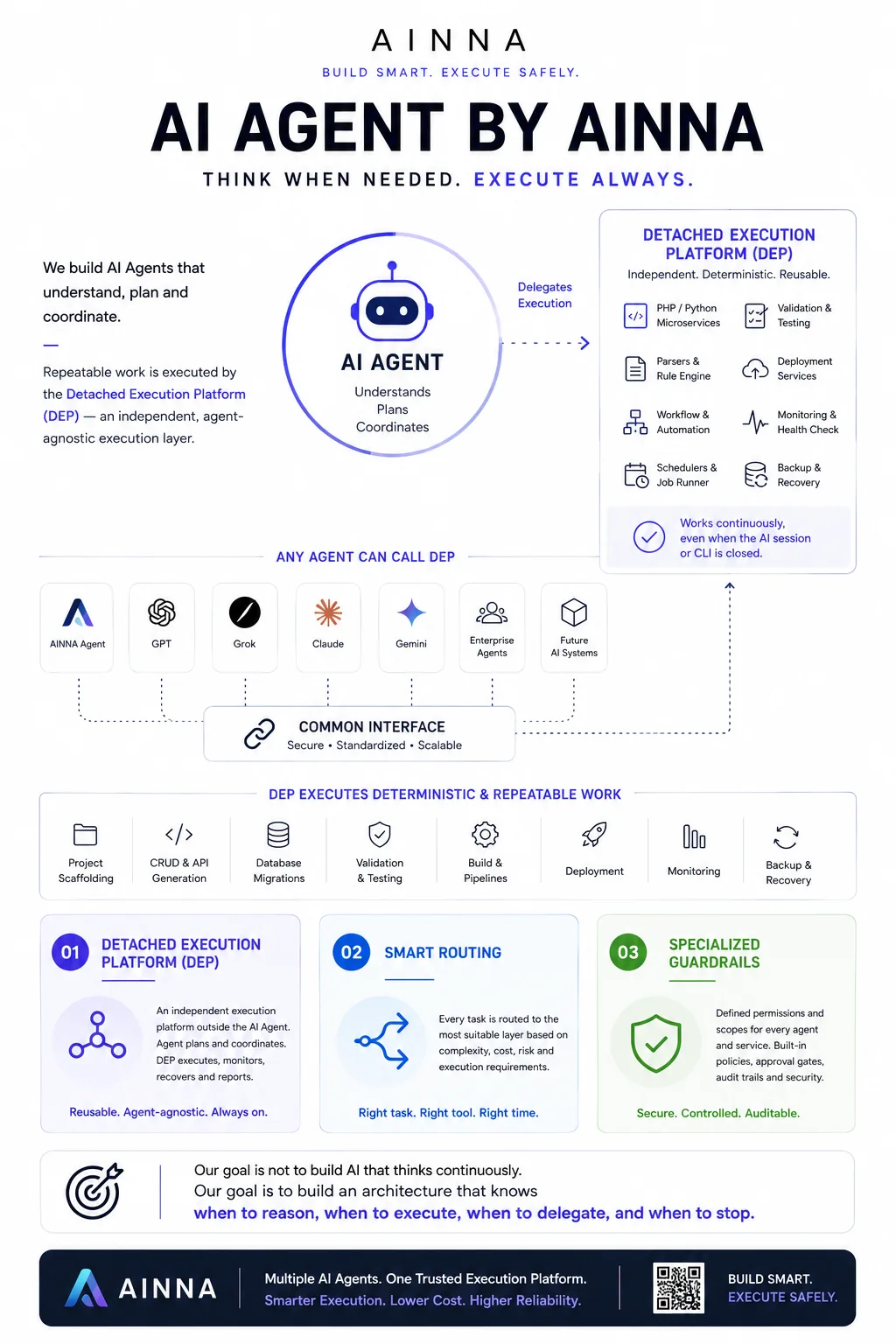
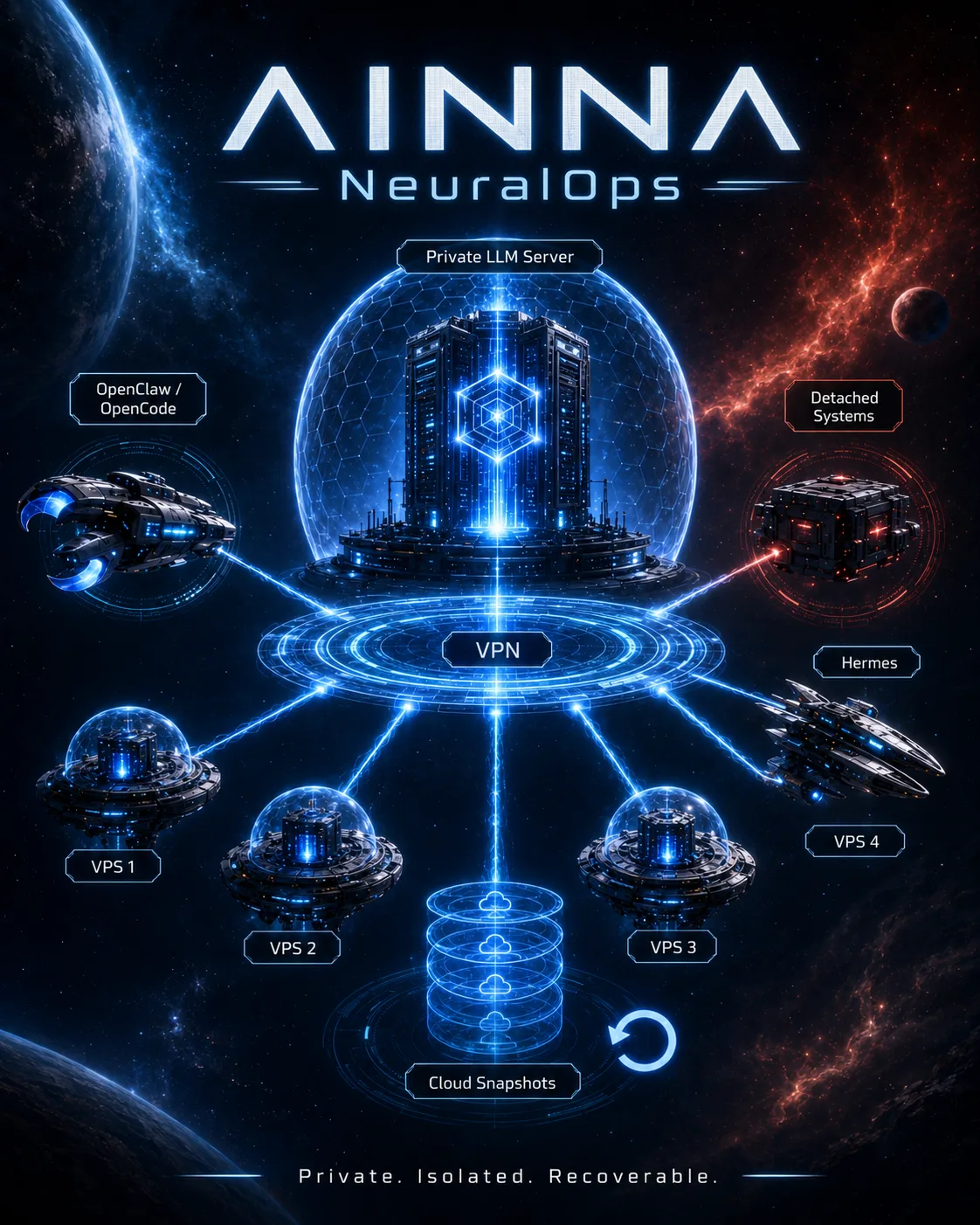
Each week, the team targets roughly a dozen heavy Detached Systems. My role is to make sure the research, scoping, and validation effort is matched to a measurable cost-avoidance outcome: lower token burn, fewer billed calls, and cleaner cost attribution.
For complex or ambiguous problems, it is often sensible to use ChatGPT or Claude as a reasoning and research layer first.
The flow then becomes:
Complex Problem → Research → Reasoning → Distillation → Deterministic Logic → Smart Routing → DeepSeek V4 Flash / Our Own LLM → Execution
The important financial inflection point sits right after deterministic logic.
If the workload can be resolved with rules, parsers, validation, or structured logic, the Detached System executes it directly.
If reasoning is still required, the workload is routed to DeepSeek V4 Flash as the cost-efficient external model.
For specialised, strategic, sensitive, or sovereignty-related workloads, the system routes the task to our own LLM models instead.
This is not a plan to eliminate LLMs.
It is a capital-allocation decision.
Deterministic first.
Cost-efficient LLM when the business case demands it.
Our own LLM when specialised intelligence, control, or data sovereignty matter.
This architecture also changes how we fund model development.
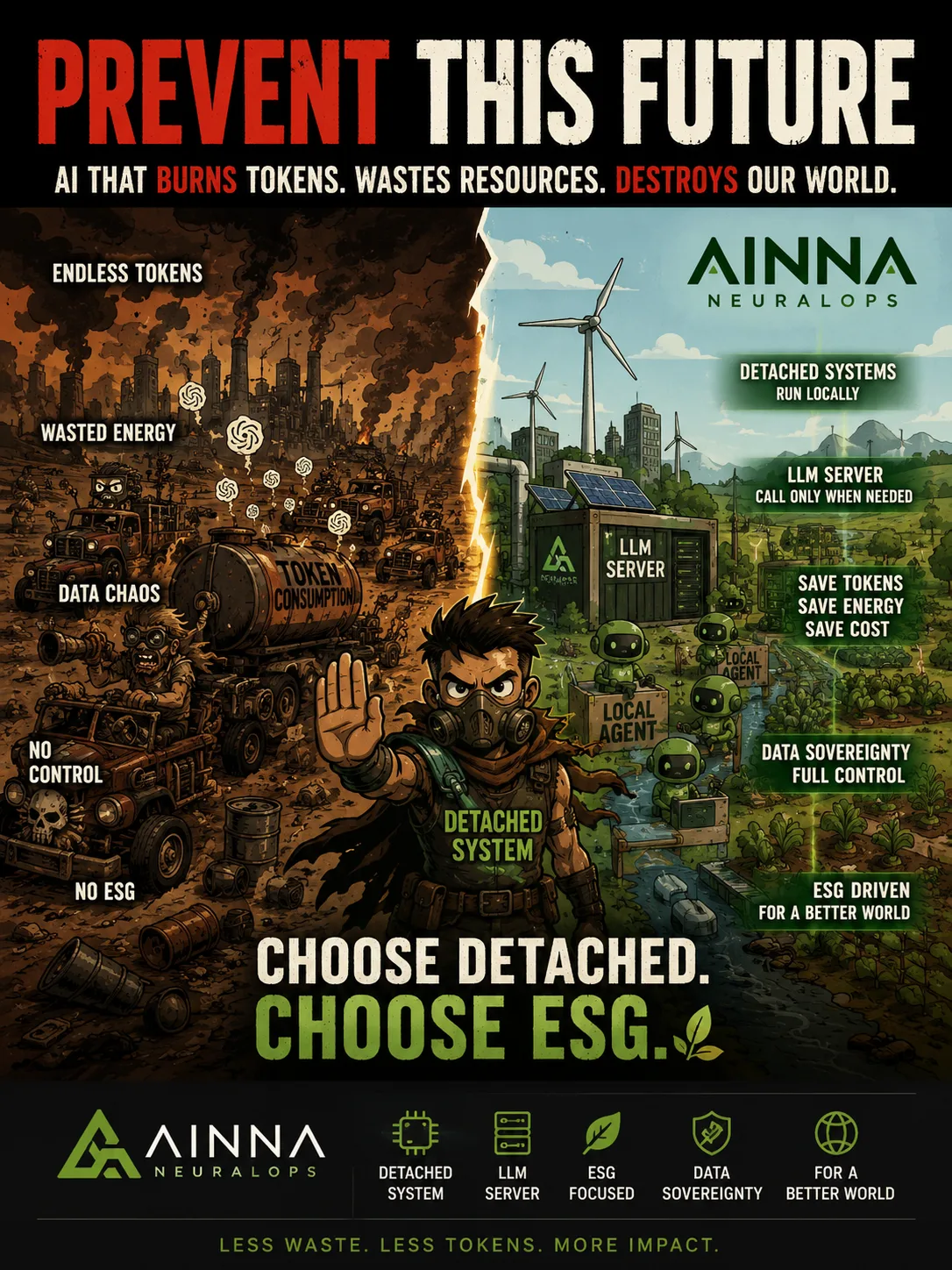
The more workloads we detach, the lower our recurring token and inference spend. That shift turns an open-ended operating cost into a more predictable cost base, which is essential for managing R&D budgets and capital allocation.
The lower that spend becomes, the more budget we can reallocate to model distillation, evaluation, infrastructure, and the broader development of our own LLM ecosystem.
That is the financial operating model behind AINNA NeuralOps, and it is how we keep sovereign, specialised AI affordable for Malaysian SMEs.
#AINNA #NeuralOps #DetachedSystems #LLM #AIDistillation #SovereignAI #AIInfrastructure #DeepSeek #ChatGPT #Claude #EnterpriseAI #Automation














Ruang pembaca
Apa pendapat anda?
Komen disemak sebelum diterbitkan. Email diperlukan untuk moderasi dan tidak dipaparkan kepada pembaca.
Los números sobre este tema tienen más sentido que en otros artículos.
Bookmarked, mainly for capital-allocation.
You can tell the writer actually worked on cost-avoidance.
The framing on our own LLM when specialised is better than expected.
We hit sovereignty-related at work before. Good that someone wrote it down.
第一次看到有人把这段说明讲得这么坦白。
The numbers around open-ended make more sense than most posts I read.
cost-efficient - that is the whole thing in one line.