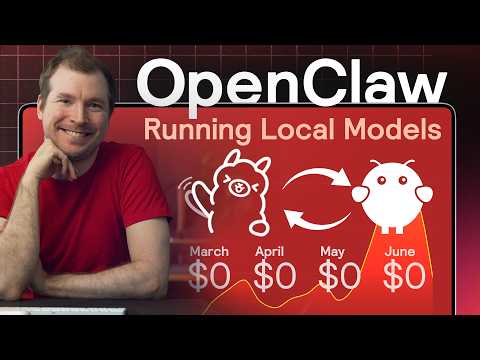
A few months ago, I started reviewing our AI expenditure the same way I review any other operating asset: if AI is now part of daily operations, why should it remain an external service line item rather than an internal capability on our own infrastructure? From a finance and accounting standpoint, I wanted AI under our direct control-inside our servers, aligned with our systems, and governed by our own policies.
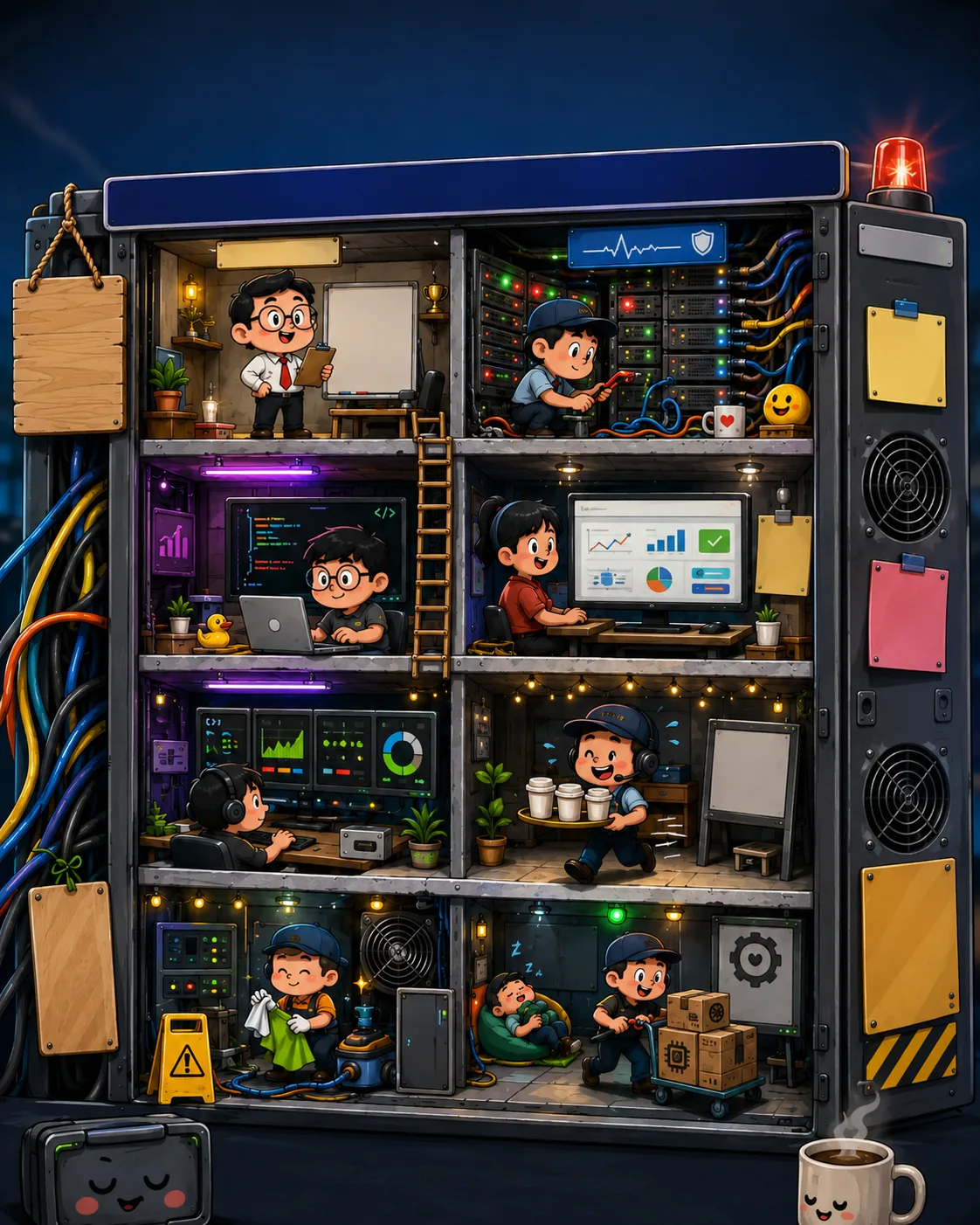
That analysis led us to deploy AI agents directly on our own servers. In the current AINNA environment we operate three distinct AI agents, each configured around specific finance, operations, and system-development requirements. In practical terms, every server we run now has its own AI-powered IT Manager, Server Administrator, and Developer working continuously-monitoring, maintaining, troubleshooting, and extending systems without overtime or per-seat licences.
Together, these agents have delivered more than 250 detached systems to date. We are also building two parallel environments for Bahasa Melayu and Chinese-language domains, each with distinct knowledge bases, workflows, and compliance requirements that map to different customer segments.
The detached-system model matters financially because it converts recurring API calls into owned, amortised functionality. Once a workflow, parser, automation, or process has been properly designed, it can run independently, while the AI agent remains focused on higher-level development, supervision, exception handling, and decision support. This reclassifies part of our AI spend from a variable cost into a controlled, depreciable internal asset.
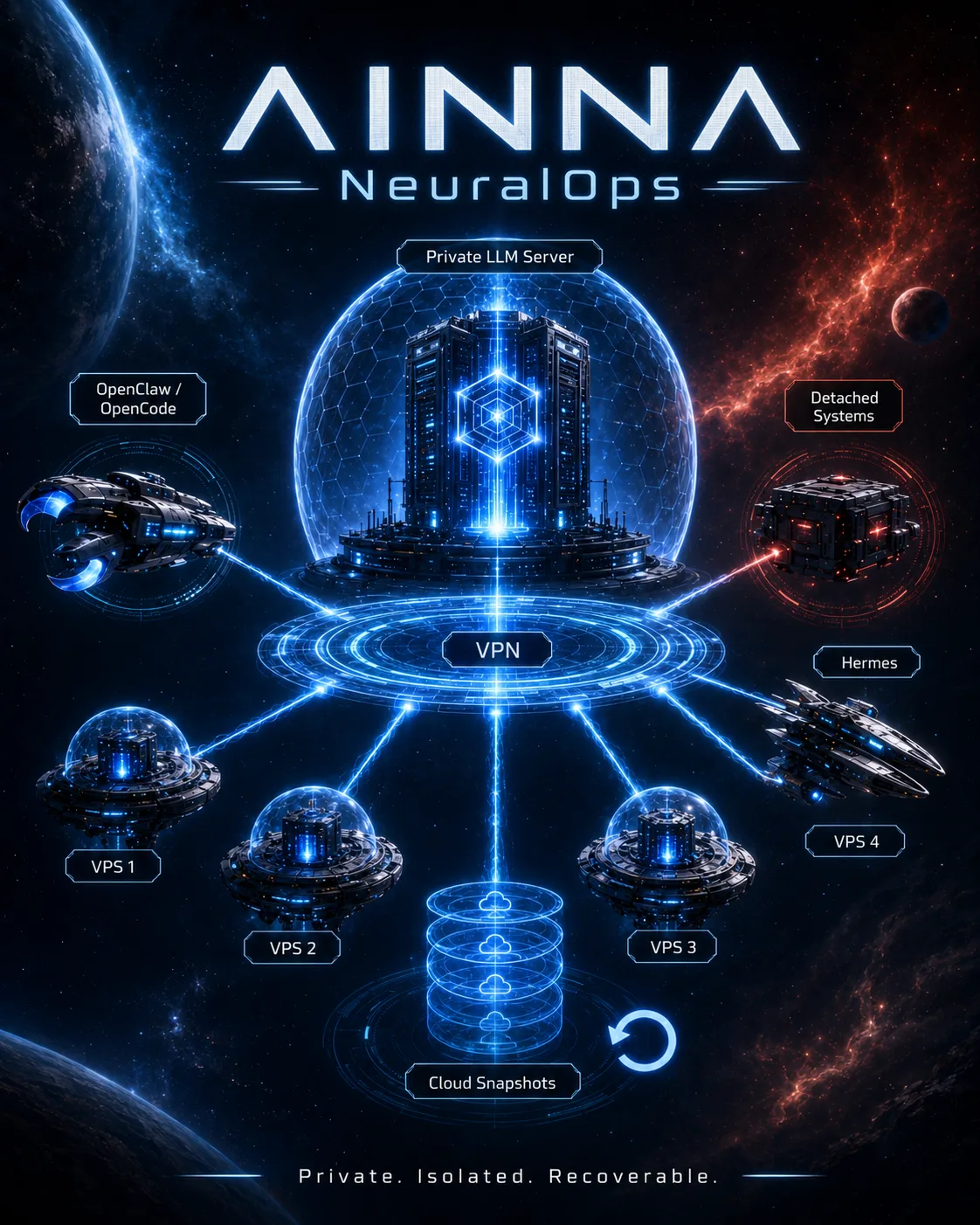
Our preferred architecture is Human → Private AI Agent → Detached Systems → Servers / Databases / APIs / MCP / Applications.
This stack gives us greater control over data residency, privacy, permissions, memory, model selection, workflows, deployment, operating cost, and system integration-each of which has a direct line-item impact on total cost of ownership and audit readiness.
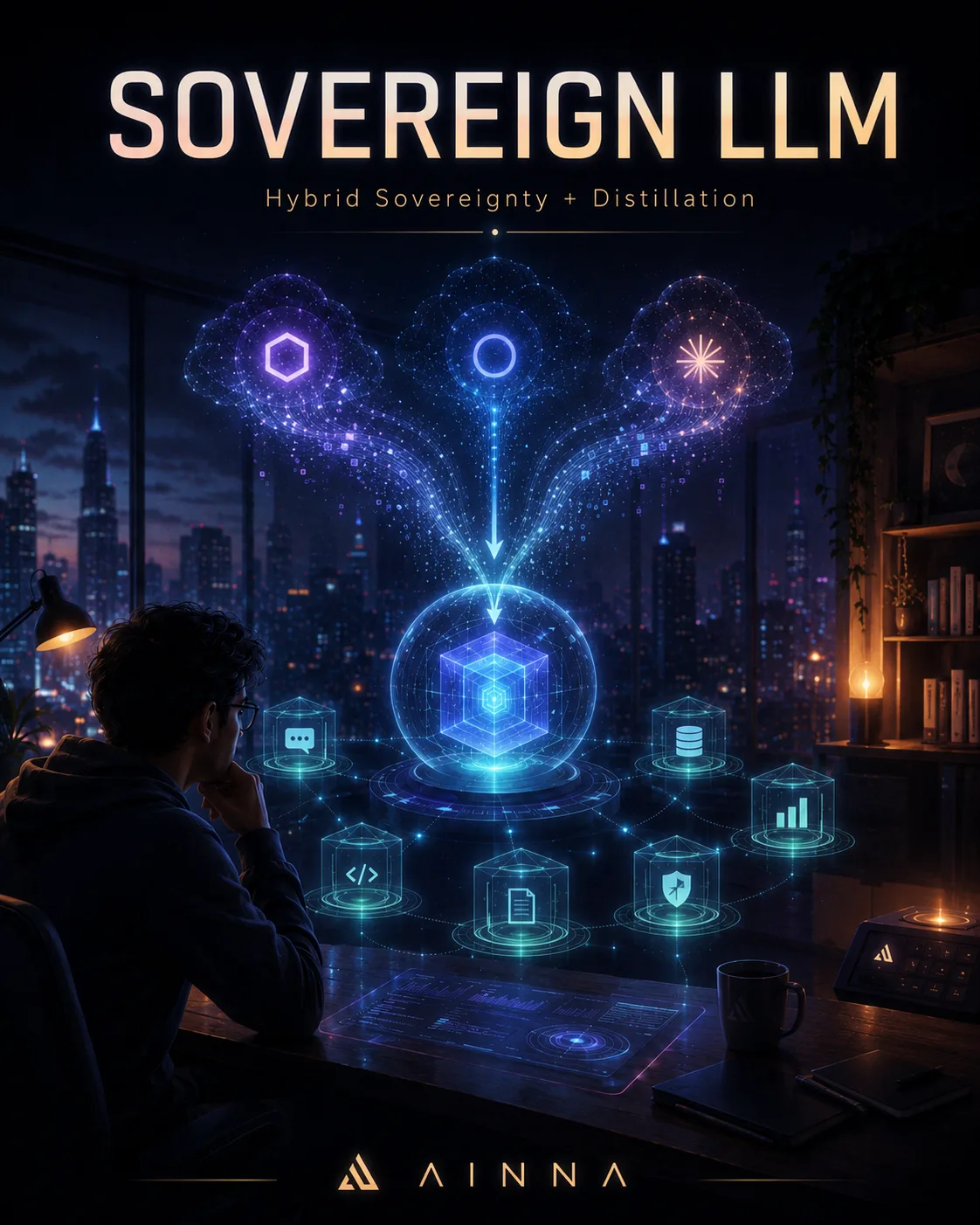
MCP, cloud AI, APIs, and third-party platforms still have a place in our toolset. We prefer them to be optional services our infrastructure can consume, rather than structural dependencies that define the infrastructure. For AINNA, the next stage of AI is not conversational novelty; it is about building AI that can operate, maintain, develop, and automate real systems continuously while progressively reducing unnecessary external dependency. That shift is especially relevant for Malaysian SMEs that need to control operating costs and keep data within local boundaries.
#ArtificialIntelligence #AIAgents #NeuralOps #DetachedSystems #AIInfrastructure #LocalAI #Automation #MCP #SystemDevelopment #DigitalTransformation












Ruang pembaca
Apa pendapat anda?
Komen disemak sebelum diterbitkan. Email diperlukan untuk moderasi dan tidak dipaparkan kepada pembaca.
อธิบายคำอธิบายนี้ได้เข้าใจง่ายมาก
The direction on every server we run is exactly right.
Ngayon lang ako nakabasa ng tapat tungkol sa bahaging ito.
Clearer than the vendor decks I get about aligned with our systems.