
One of the most common, and usually the shallowest, budget objections I hear from Malaysian SME owners and finance teams is:
"AI consumes too much power, water and GPU capacity."
What concerns me is that this judgement is often made by the same people approving capex and opex, yet it is driven more by market hype than by a disciplined look at unit cost and asset utilisation.
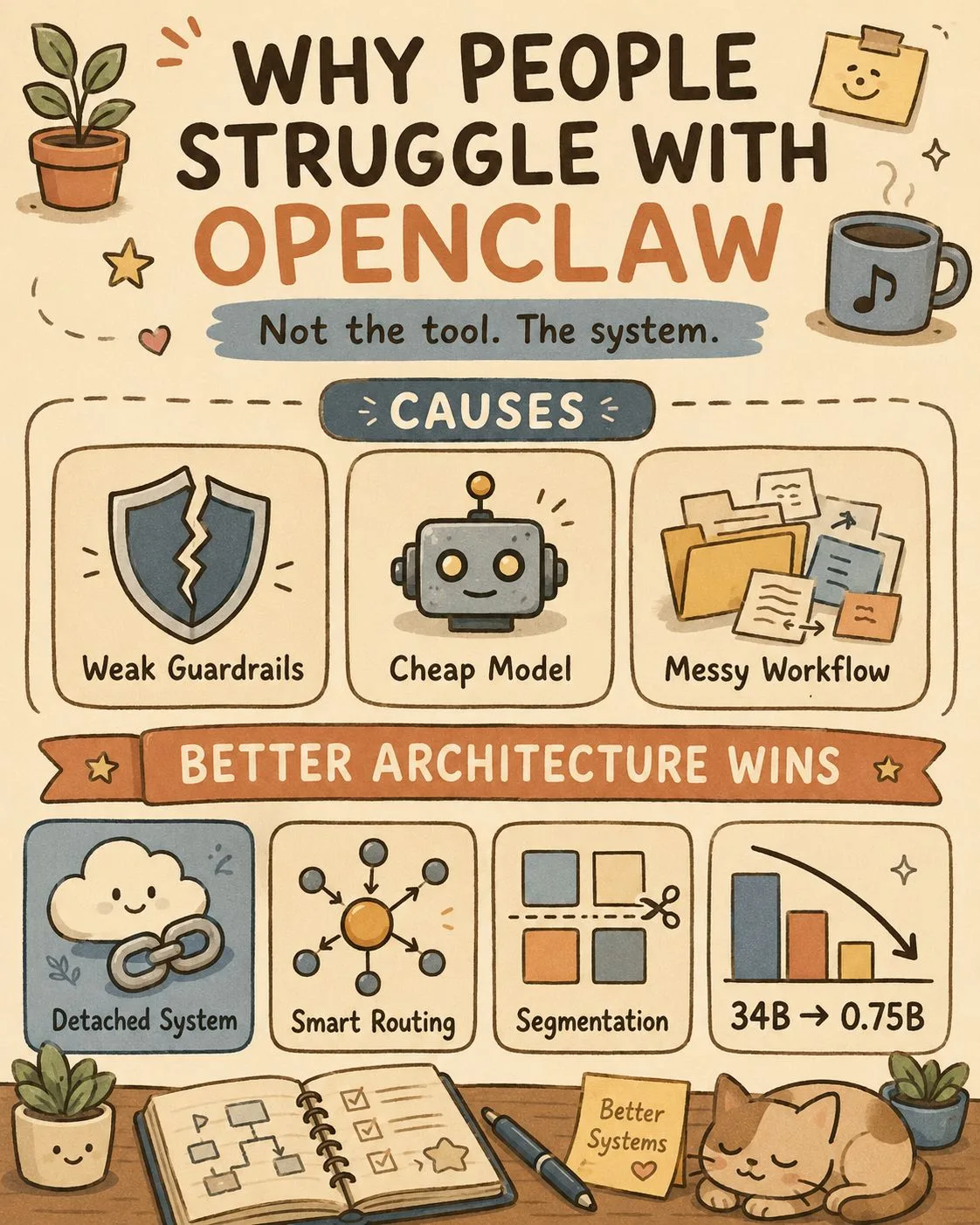
Ironically, several of those criticising AI's resource footprint are running it without controls: no smart routing, no model segmentation, no usage budgets, and no ledger showing when AI genuinely earns its keep.
The real problem is not AI.
The real problem is deploying AI without a financial and operational strategy that matches cost to value.
At AINNA, we approach AI as an asset, not a miscellaneous expense. With smart routing, model segmentation and detached systems, we see compute spend fall by up to 90% because large models are only called when the business case clearly justifies the unit cost.
Deploying AI without that discipline is like:
🚛 Hiring a lorry to move a single stone.
🏎️ Using a Ferrari for a house relocation.
🛡️ Driving an armoured vehicle for a daily commute.
It is also like approving a sustainability budget, then authorising the print shop to produce hundreds of board packs for a single meeting.
Declaring ESG intent is not the same as recording the associated cost and carbon liability.
The same rule applies to AI.
Powerful technology should not be charged to every job.
Use small models for low-complexity work.
Use large models only for problems with a measurable pay-off.
Use deterministic systems when AI adds no return on the asset.
AI is not automatically a write-off.
Weak architecture, weak governance, uncontrolled usage and hype-driven procurement are what actually destroy value.
Sustainable AI does not mean cutting intelligence.
It means booking the right intelligence against the right task, at the right cost, and proving the return on the balance sheet.















Ruang pembaca
Apa pendapat anda?
Komen disemak sebelum diterbitkan. Email diperlukan untuk moderasi dan tidak dipaparkan kepada pembaca.
Simpan, sebab 90%.
This is where budget objections I hear finally makes sense.
Deploying AI without that discipline is the part I would forward to my boss.
First piece I have read that treats use small models for low-complexity honestly.
ถ้ามี90%ต่อ ผมจะอ่านแน่นอน
Clearer than the vendor decks I get about by up to 90%.