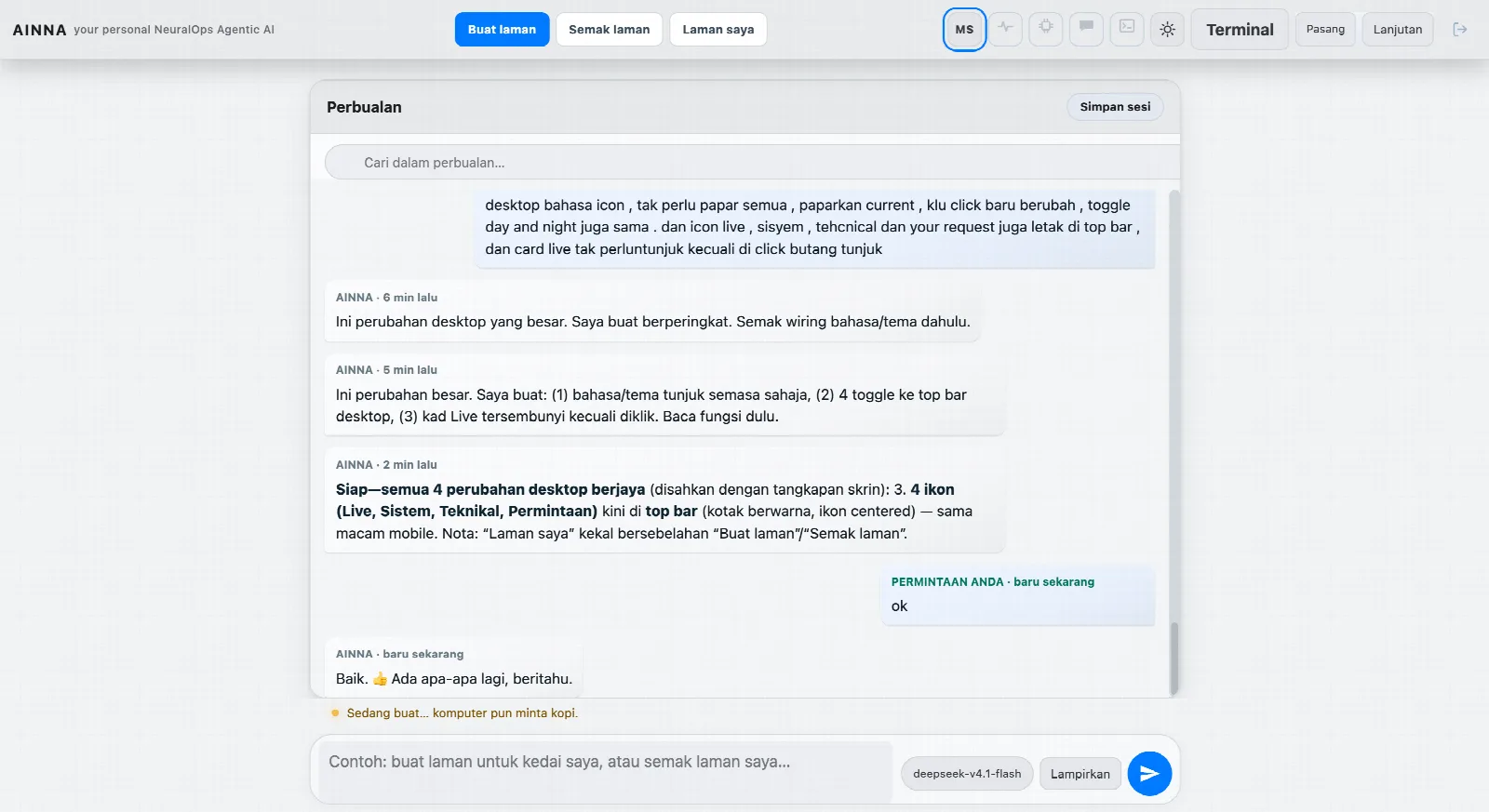
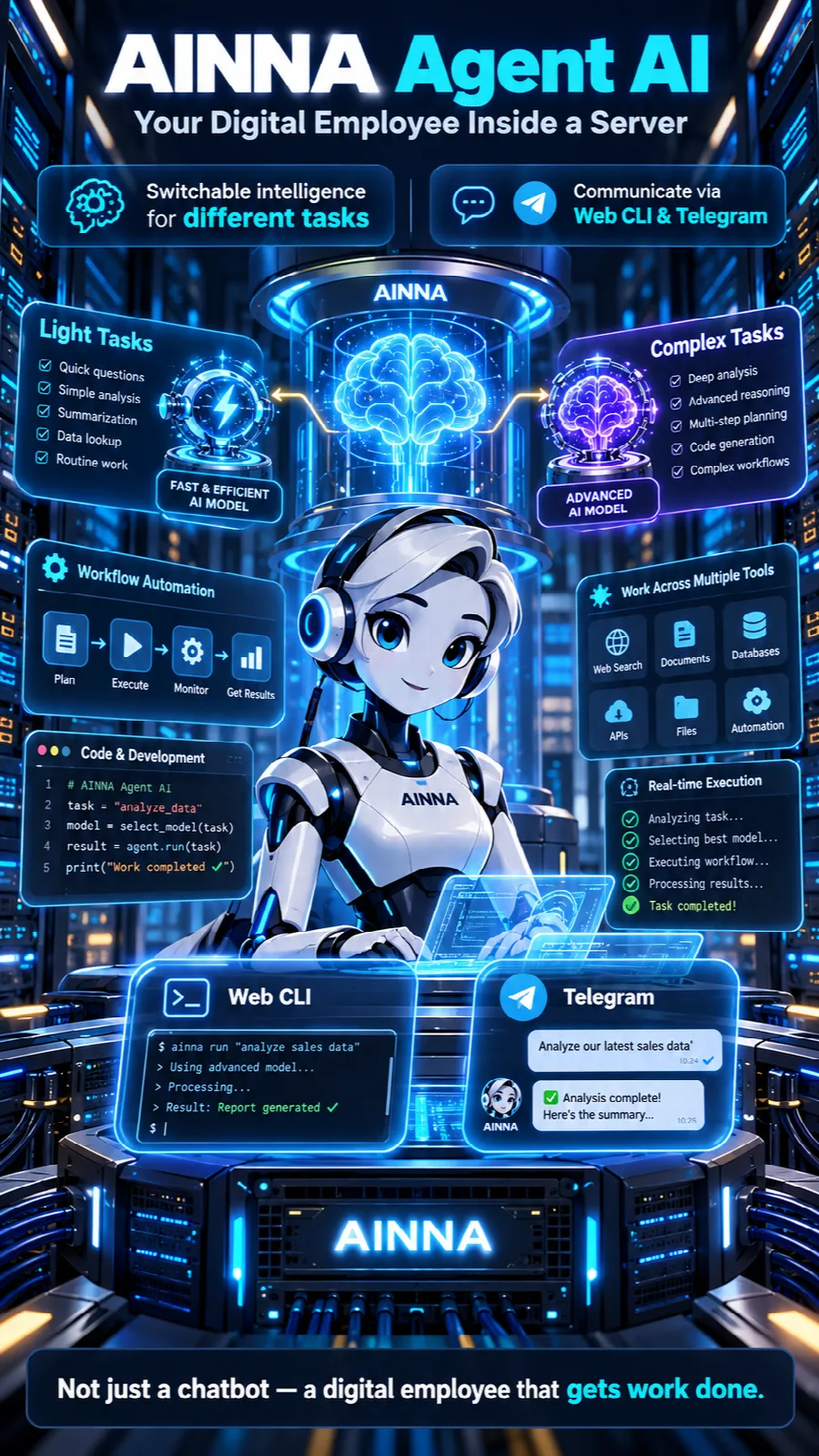
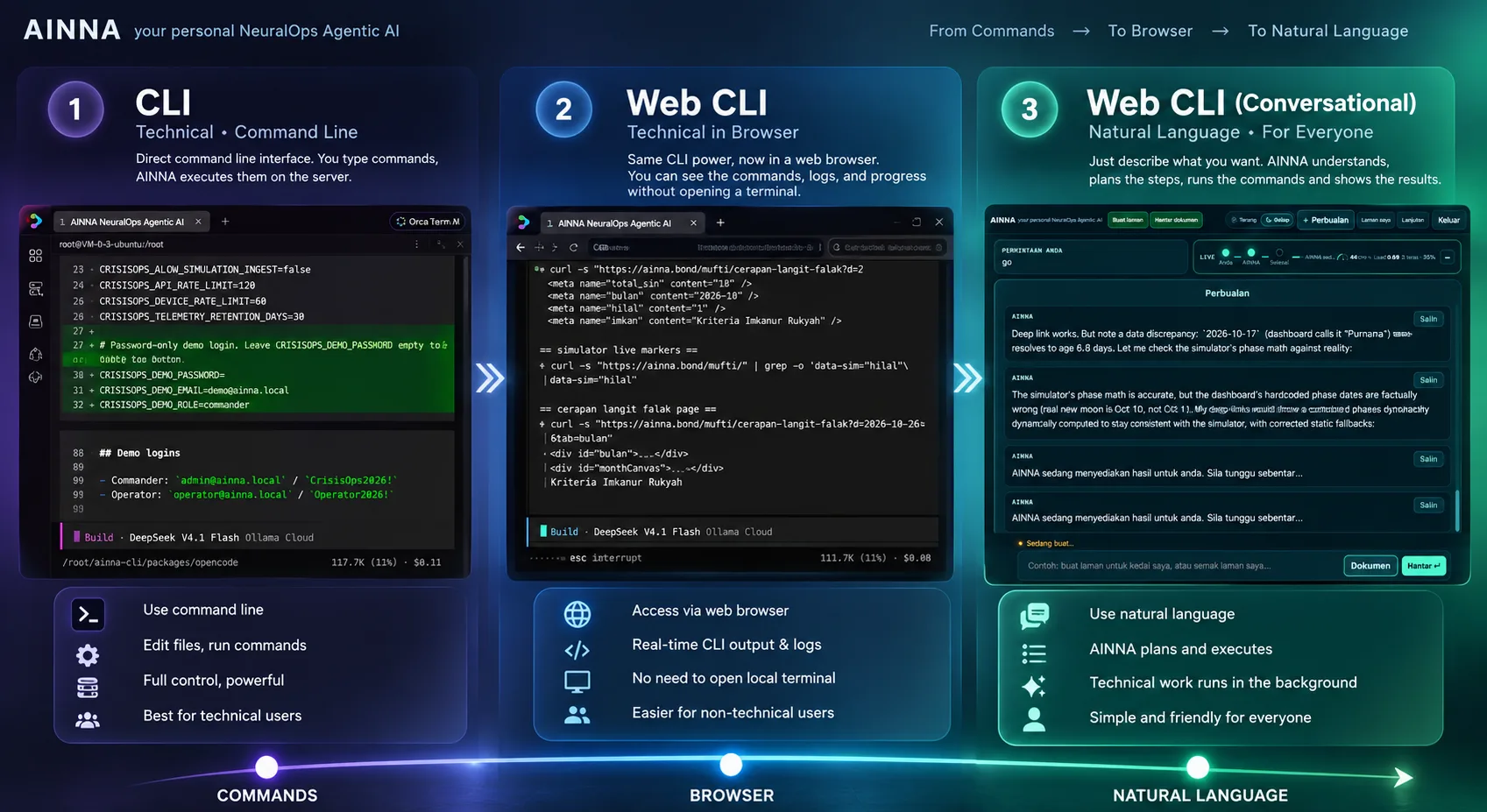
Ten months of failed builds, broken integrations, and long nights in the logs - that's what it took before my own modified Agentic AI finally shipped with both a Web-CLI and a Telegram interface.
OpenClaw (OC) is solid engineering, but it has grown bloated - features stacked on dependencies stacked on abstractions that most deployments never touch.
From where I sit on the systems-integration side, roughly 80% of those features are dead weight in day-to-day operation.
My Agent AI runs Personal Smart Routing - a routing layer that inspects each incoming task and picks the model that actually fits the complexity. Not every request needs to hit a frontier LLM and burn budget on work a smaller model can close.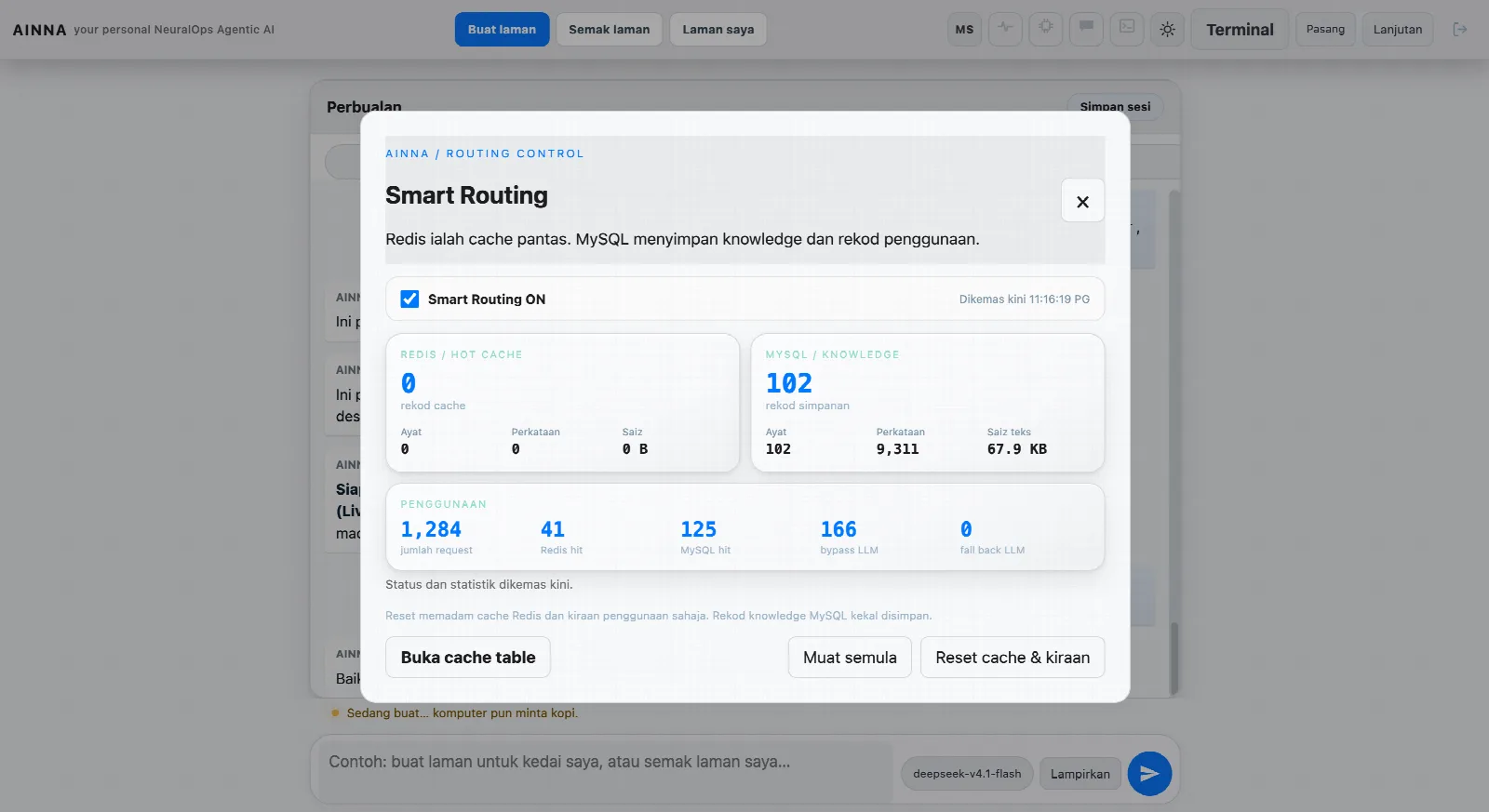
I also wired in Offline Functions: deterministic handlers that execute routine, repeating tasks directly, with no LLM call and no token spend. That pulls down API dependency, token usage, and operating cost in one move.
The objective was never feature parity. It was an agent that is lighter, faster, cheaper to run, and fully under my control.
Less bloat. Smarter routing. More offline execution. Lower costs.
Innovation isn't always about shipping more features. Most of the time it's about deleting what you don't need and getting more out of the resources already sitting in the stack.















Ruang pembaca
Apa pendapat anda?
Komen disemak sebelum diterbitkan. Email diperlukan untuk moderasi dan tidak dipaparkan kepada pembaca.
Ang 80% ang ipapadala ko sa boss ko.
Whoever wrote this actually did the work on repeating tasks.
features stacked on dependencies stacked is the part I would forward to my boss.
Still thinking about deterministic handlers that execute routine.
that's what it took before - that is the whole thing in one line.