Building an AI agent is one thing. Making it portable, secure, adaptable, and usable across different machines is a different engineering challenge - and it's the one I spend most of my time on at AINNA.
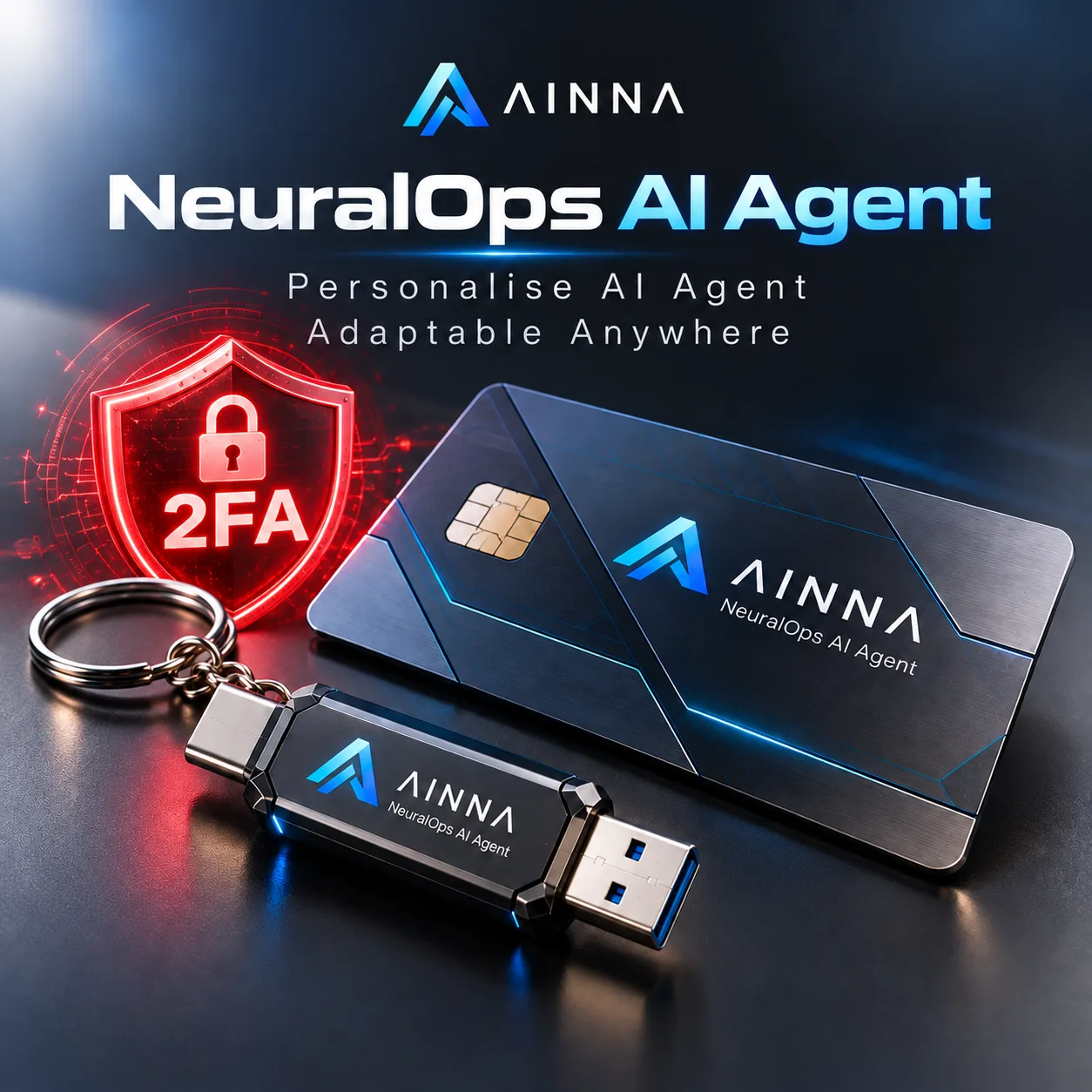
NeuralOps AINNA is moving in that direction. The web-based environment is already working. We're developing the AINNA Stick / Chip as a portable intelligence layer that carries identity, knowledge, permissions, and an AI agent across compatible systems. In practice, that means the agent has to initialize, authenticate, and run consistently on whatever hardware it's plugged into.
The challenge is not just size. It involves hardware compatibility, local versus cloud inference, memory continuity, system permissions, and safe interaction with different devices. Those are the constraints that decide whether a deployment actually works in the field.
For security, AINNA has chosen a two-factor authentication approach. Possession of the stick or card alone should not be enough to access the personal AI environment. A second verification layer is required before sensitive identity, knowledge, or permissions can be unlocked.
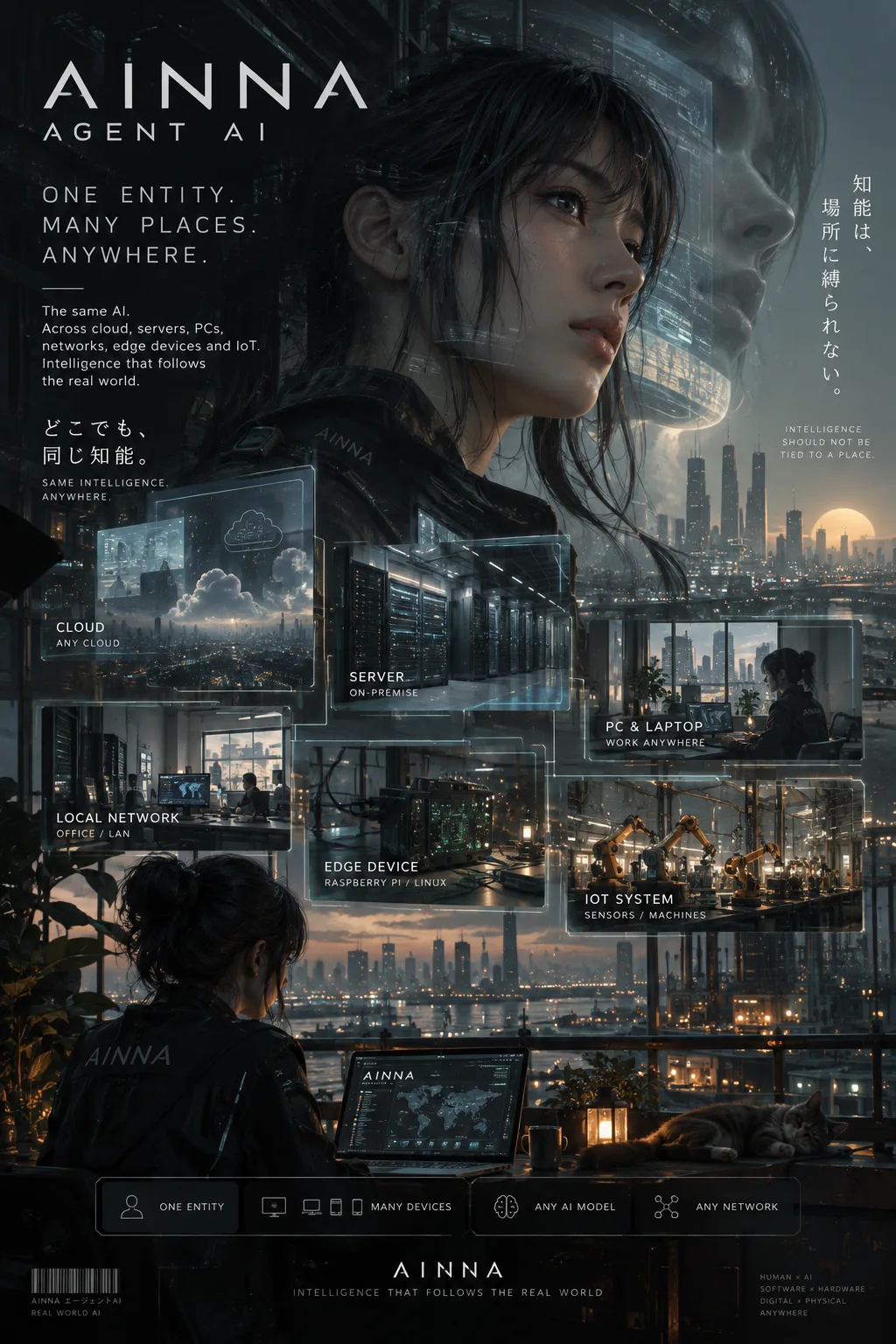
This becomes increasingly important when the same AI agent is expected to move between PCs, servers, embedded systems, and eventually compatible machinery.
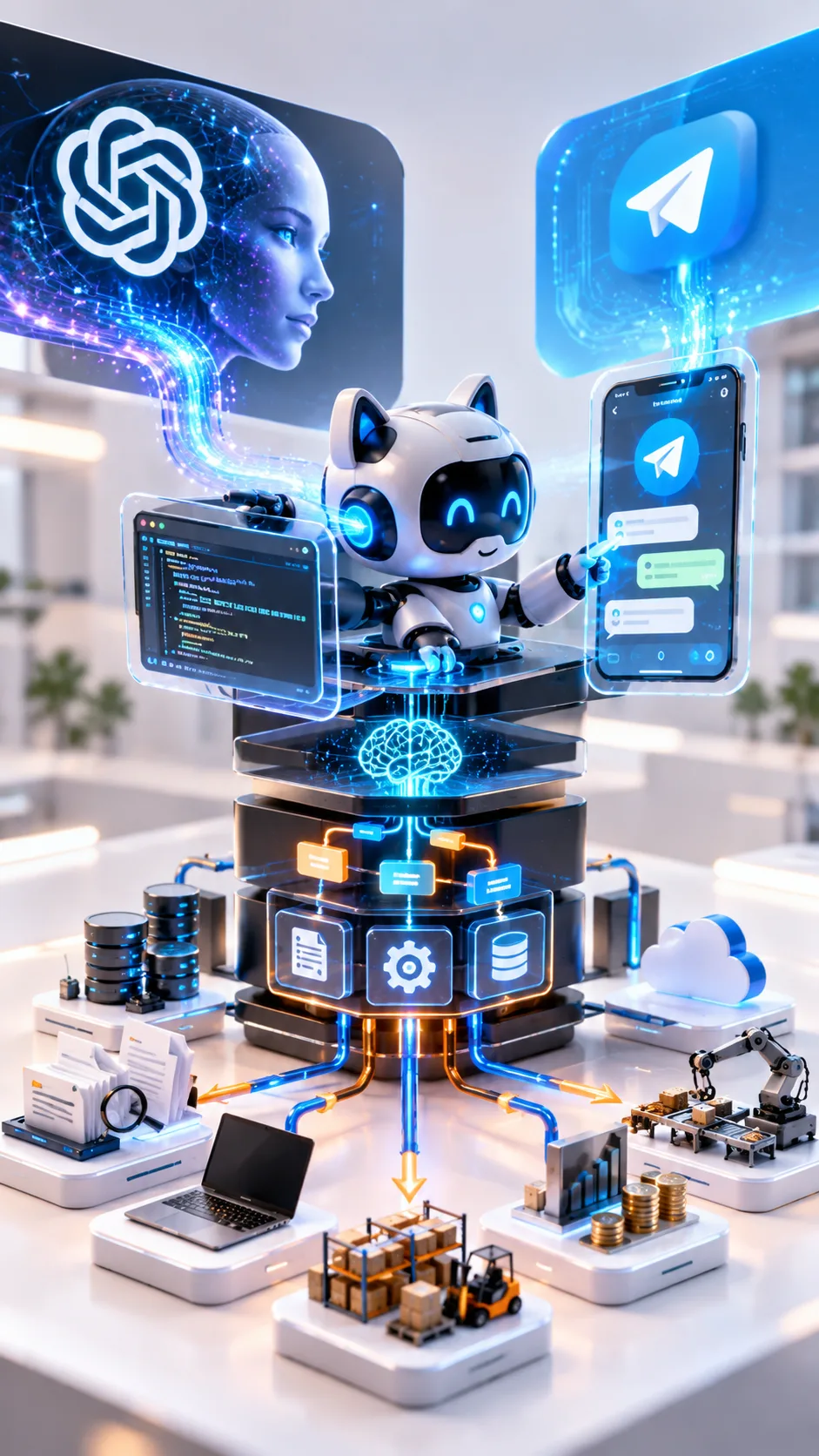
The long-term direction we're taking at AINNA is hybrid: use local intelligence, rules, and specialised components whenever possible, and only escalate to larger models or cloud compute when necessary.
AINNA Stick is currently around 90% of our present development target. Once sufficiently validated, we also intend to pursue formal technology validation, including a future TRL9 assessment with MOSTI.
The future of personal AI is not simply about making models smaller.
It is about making intelligence portable, trusted, and adaptable enough to move with its owner.












Ruang pembaca
Apa pendapat anda?
Komen disemak sebelum diterbitkan. Email diperlukan untuk moderasi dan tidak dipaparkan kepada pembaca.
सेव कर लिया, ख़ासकर इस विषय की वजह से।
The case for once sufficiently validated is well made.
We're developing the AINNA stick - sums the whole thing up.
Read this twice. Building an AI agent is what stayed with me.