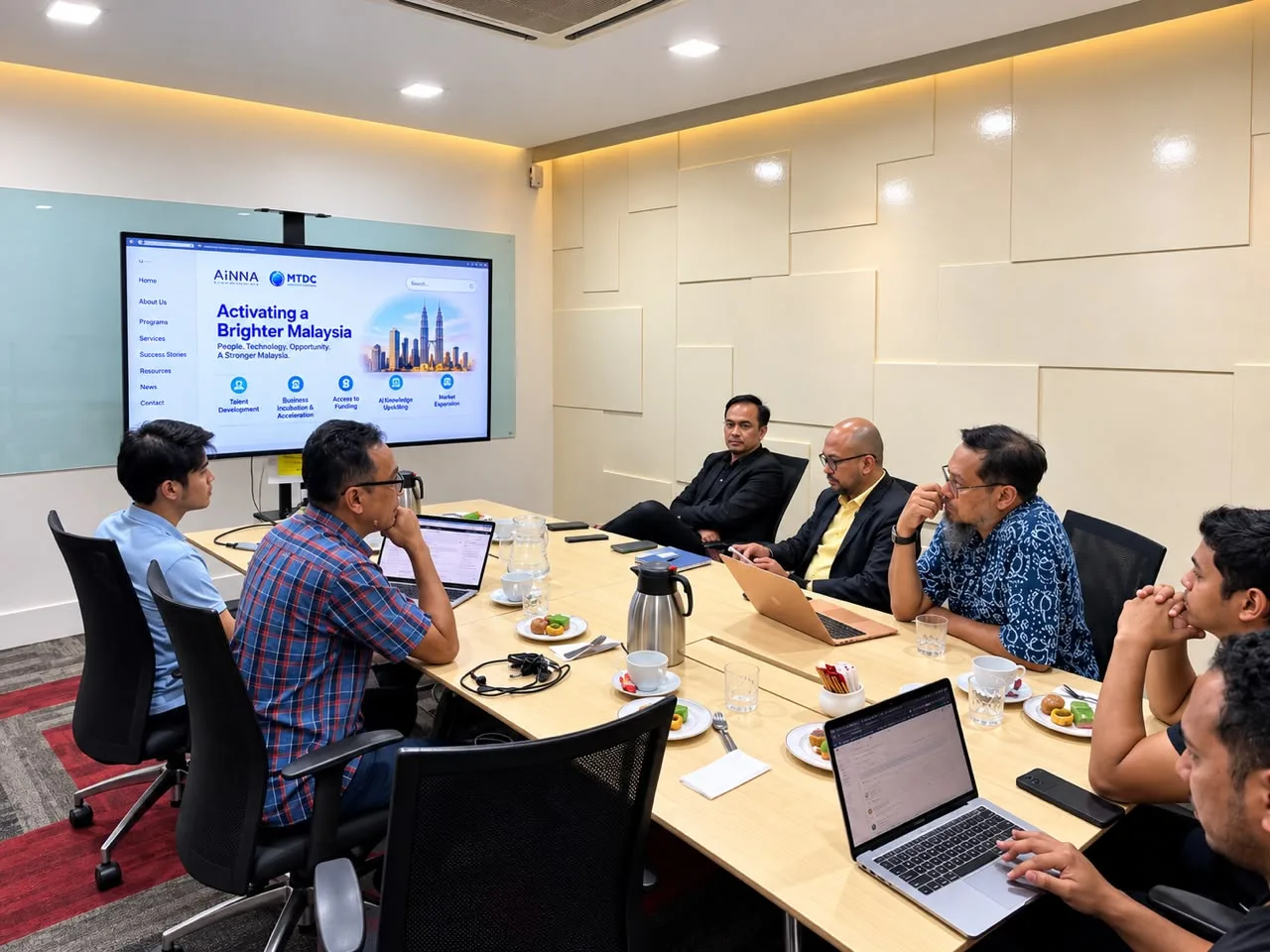
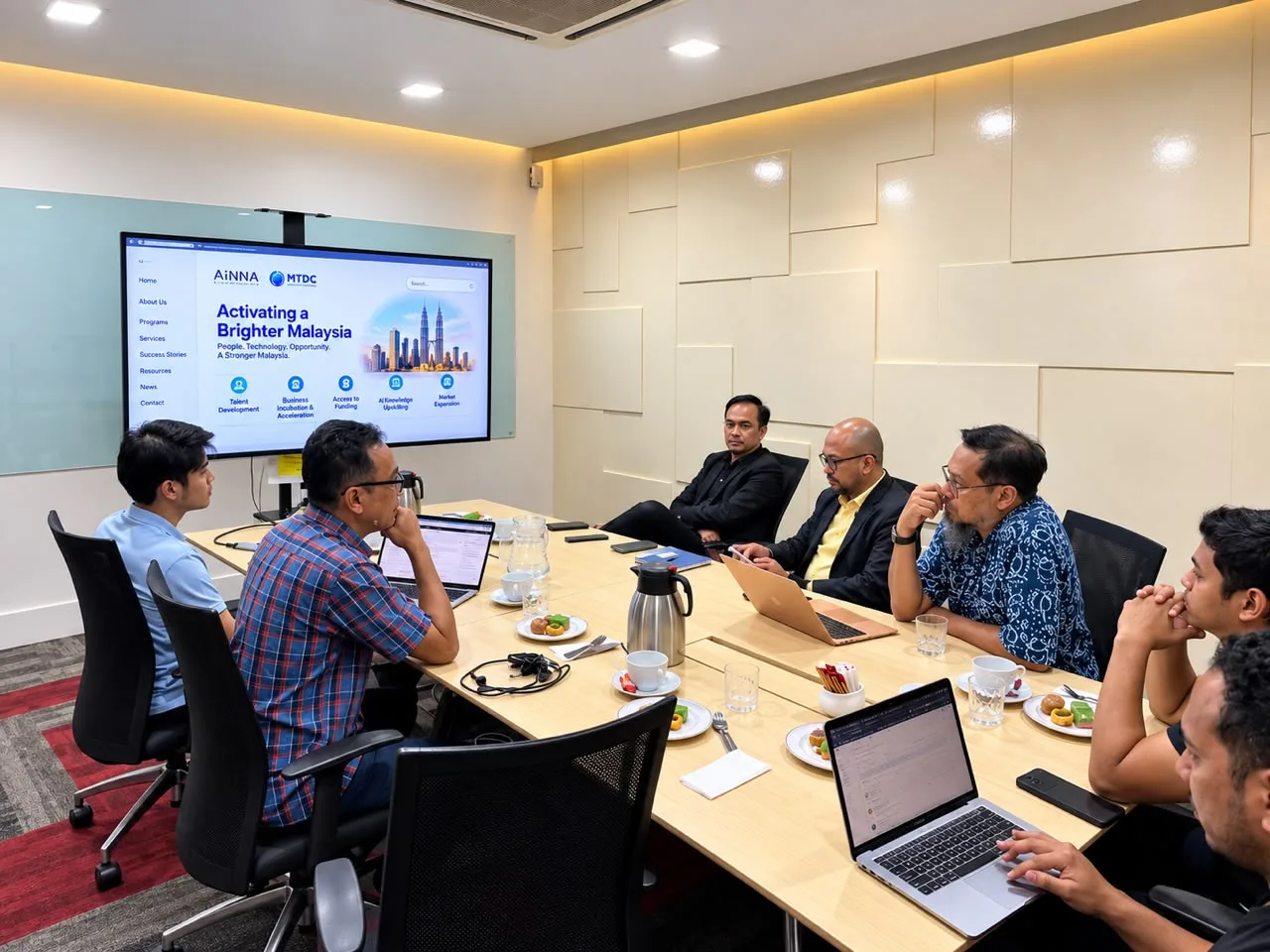
Last week, I had the chance to pitch AINNA at MTDC alongside Dr Raziff from UPSI. The pitch itself was straightforward, but what really got me thinking was the bigger question we kept circling back to: how do we shift AI from research papers and lab experiments into systems that actually run in production?
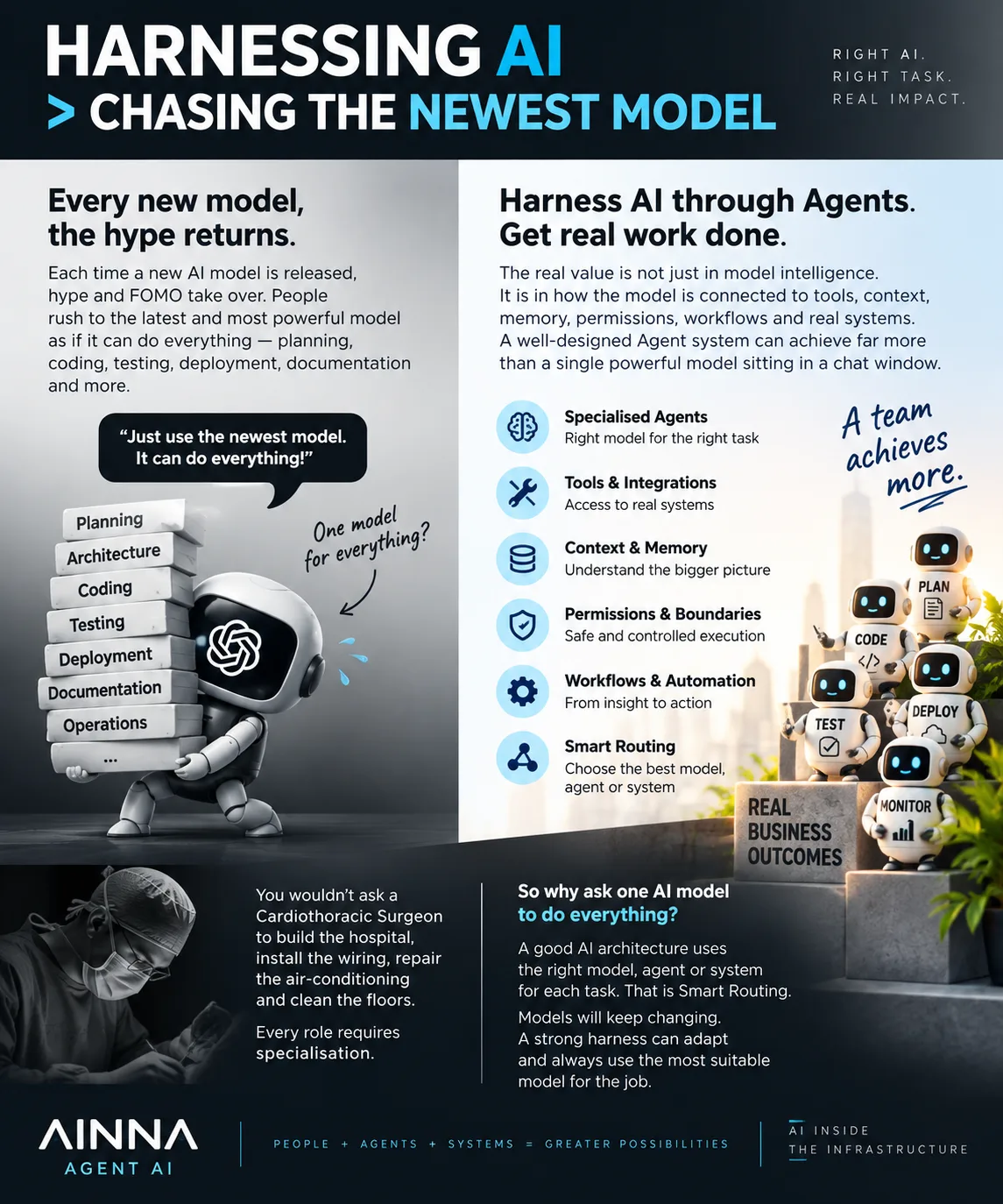
I walked through how AINNA approaches this with NeuralOps and AI agents built around real operational constraints. Not every problem needs a massive language model. A lot of tasks are better handled with deterministic rules, lightweight parsers, smaller models, or completely detached services. The engineering goal is simple: make the system more reliable, cut unnecessary token consumption, reduce hallucination risk, lower compute overhead, and design AI that can run inside an actual business without requiring a data science team babysitting it every minute.
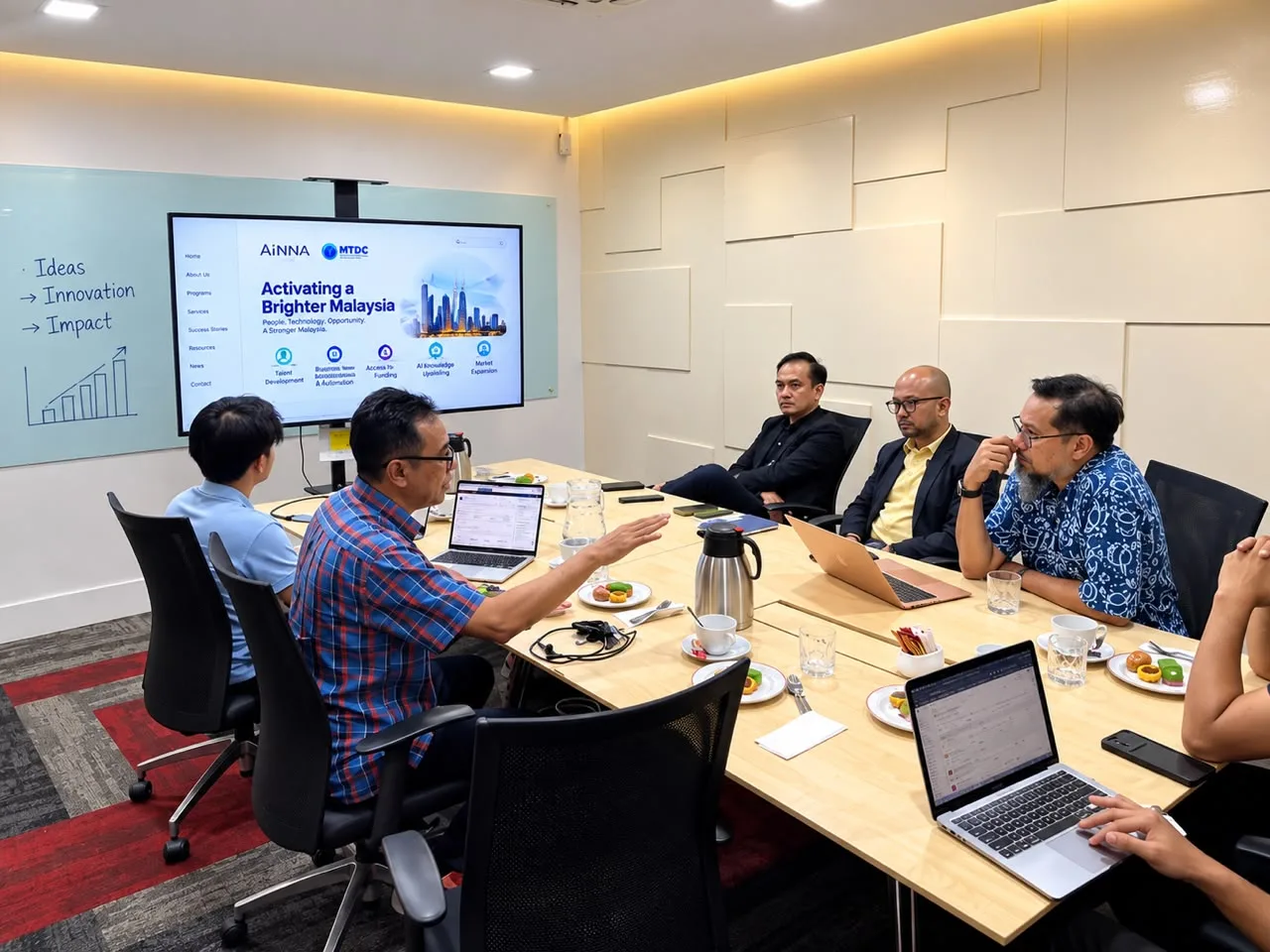
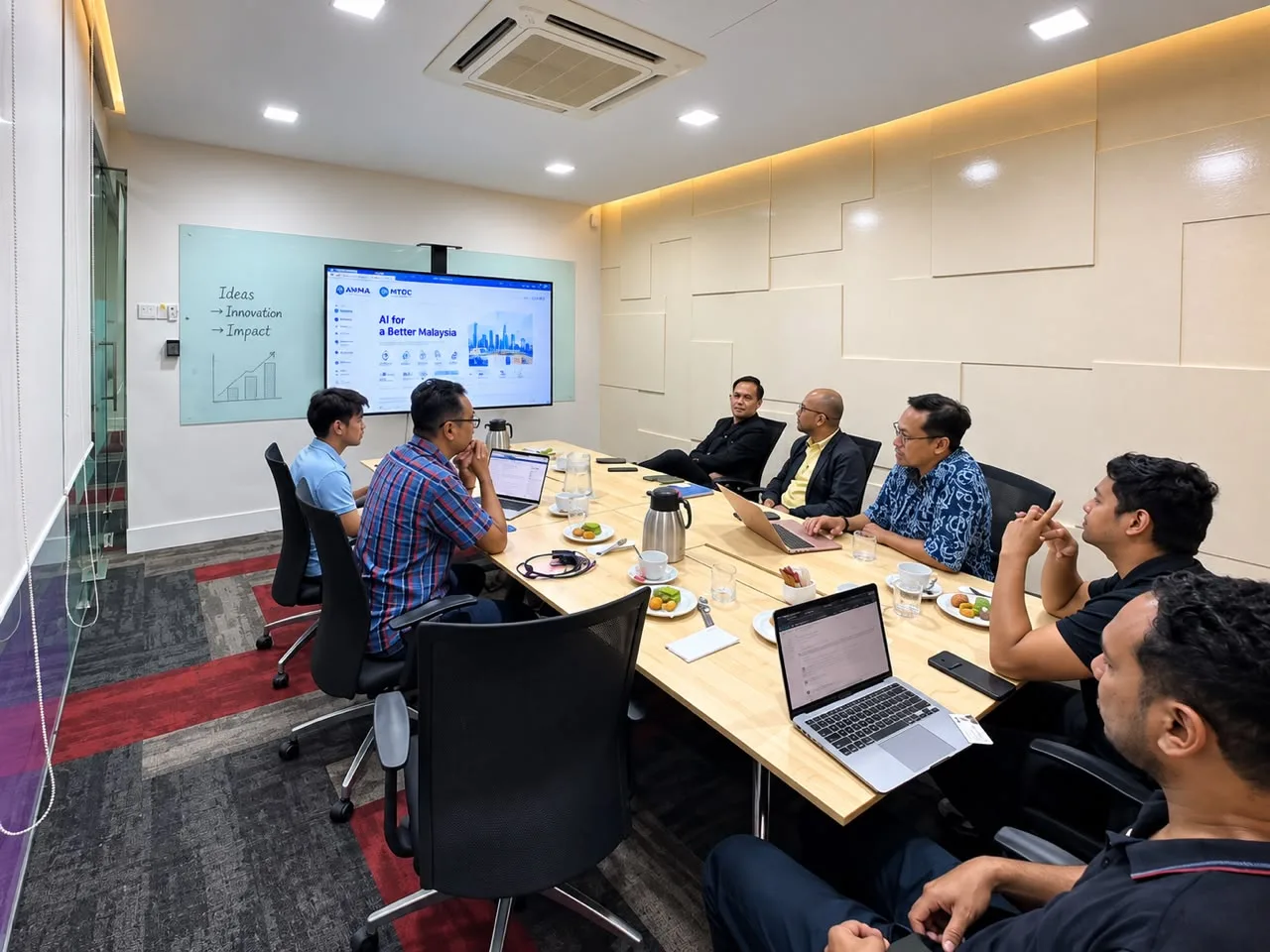
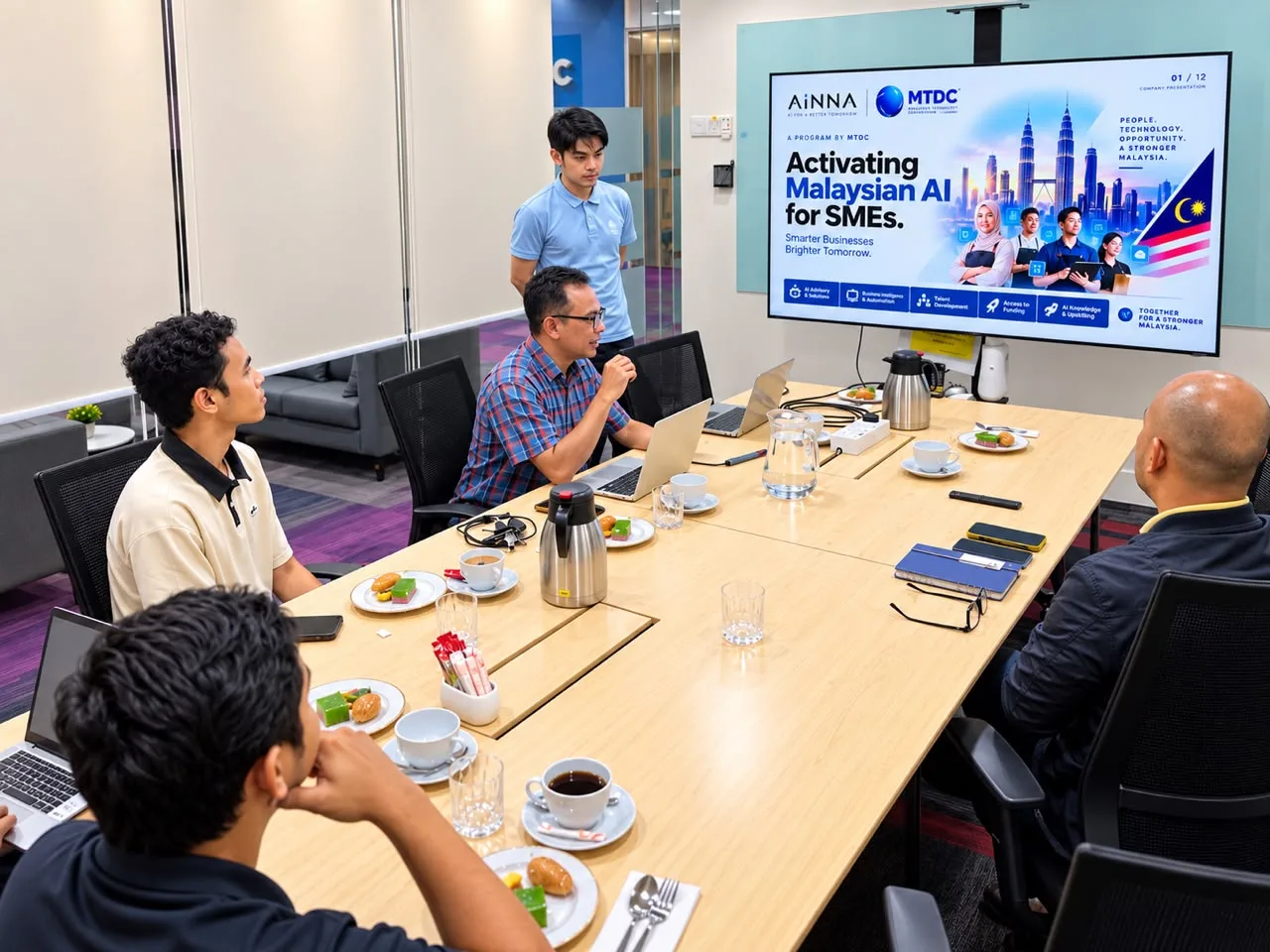
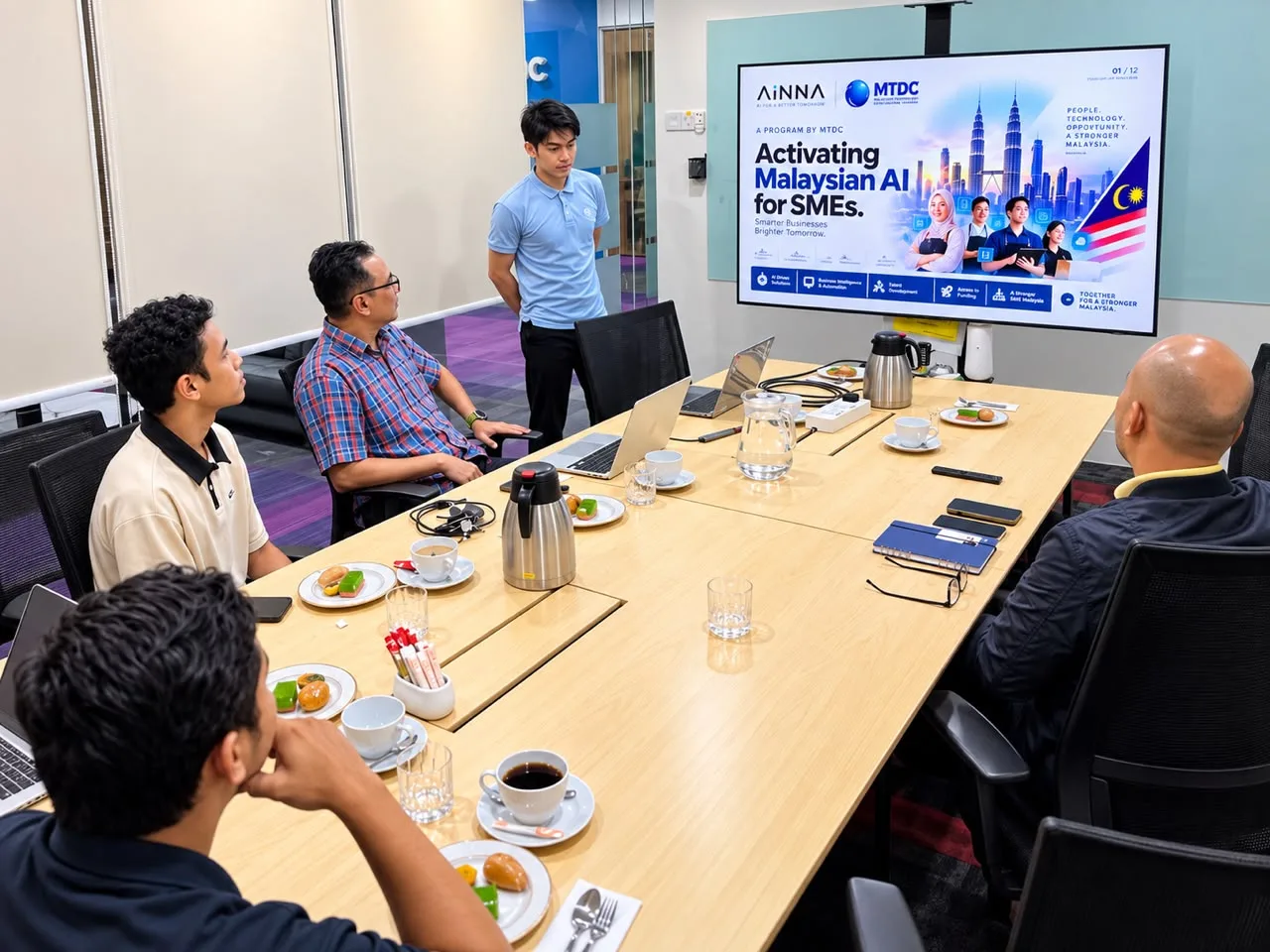
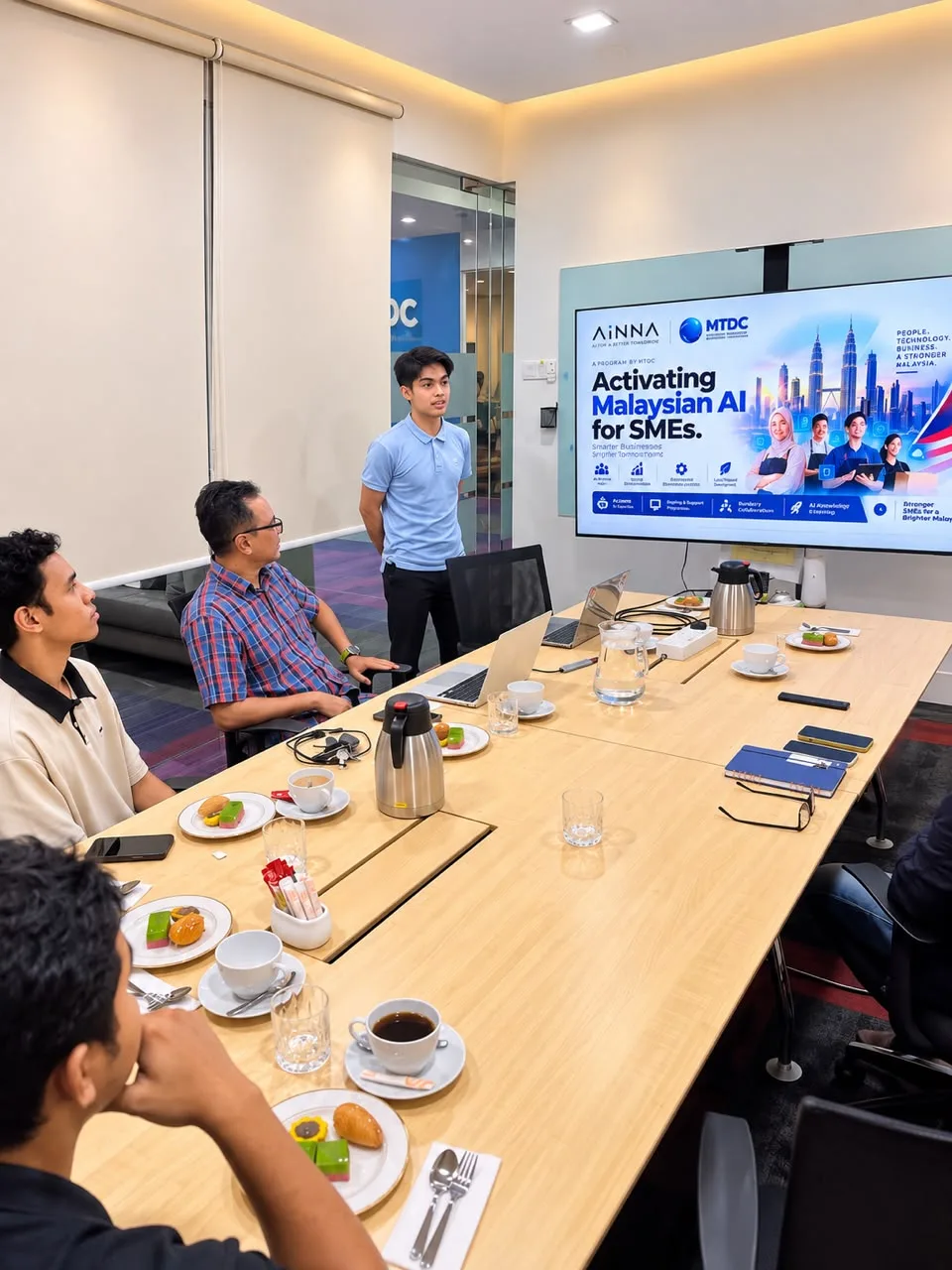
This is where collaboration gets concrete. Researchers bring the theoretical groundwork, validation, and novel architectures. Industry brings the messy reality: broken workflows, legacy systems, latency budgets, and operational constraints that never show up in a research environment. MTDC is in a strong position to bridge that gap, helping technologies move from proof-of-concept into commercial deployment at scale.
Malaysia already has solid talent in research and engineering. The hard part isn't finding smart people - it's connecting all these capabilities into products that are robust enough to operate, scale efficiently, and create actual commercial value. That's an integration challenge as much as a technical one.
We're still early, and there's a lot we need to prove. But conversations like this one with MTDC and Dr Raziff are helping clarify the path forward: build local, validate against real use cases, commercialise properly, and then expand beyond Malaysia.
#AINNA #MTDC #UPSI #NeuralOps #ArtificialIntelligence #AICommercialisation #AgenticAI #DeepTech #MalaysiaAI














Ruang pembaca
Apa pendapat anda?
Komen baharu dihantar untuk semakan terlebih dahulu. Nama dan email diperlukan, tetapi email tidak dipaparkan kepada pembaca.
First piece I have read that treats make the system more reliable honestly.
Useful. We are dealing with lower compute overhead, and design right now.
The numbers around build local, validate against real make more sense than most posts I read. Worth a closer look.
broken workflows, legacy systems, latency - that is the whole thing in one line.
Not convinced on it's connecting yet, but fair argument.
The framing on that's an integration challenge is better than expected. Need to read this part again.
Honestly industry brings the messy reality caught me off guard.
lightweight parsers, smaller models is what I would forward to my boss.
The bit about how do we shift AI is what I keep coming back to.
如果还有这段说明的后续,我会继续读。 值得继续研宄。
I would push back slightly on helping technologies move, but the direction is right.
Still thinking about scale efficiently, and create actual.
You can tell the writer actually worked on commercialise properly, and then expand. Have a few questions left here.
This is where researchers bring the theoretical groundwork finally clicks.
Not sure I agree with cut unnecessary token consumption, reduce, but the rest holds up.