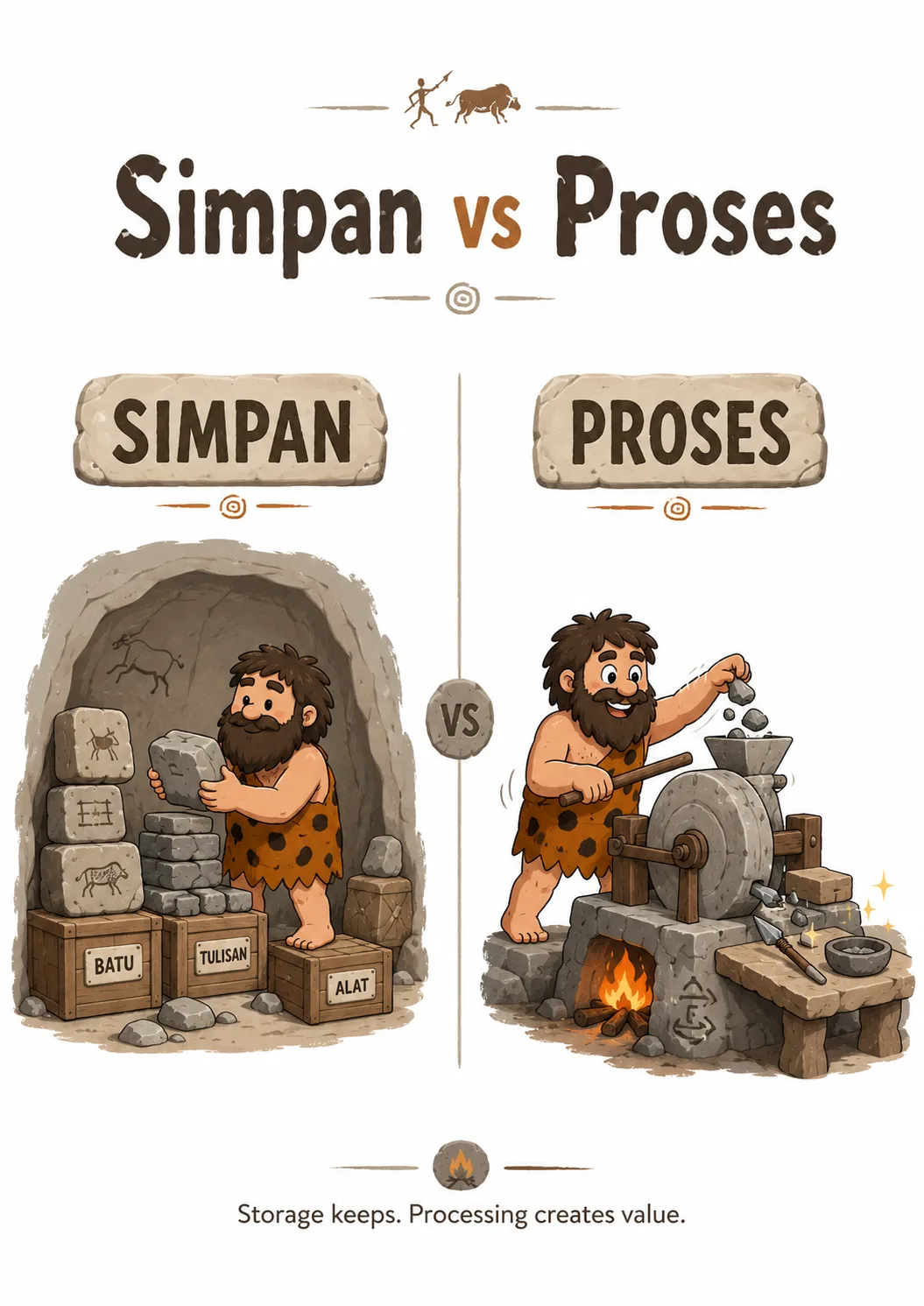
For a long time, I have treated data centres as compute fabric first and storage second. Historically they were sold as warehouses for data racks of databases, backups, websites and file servers. AI is rewriting that job description. The strategic value of a facility today is measured in processing capability: how many tokens, frames, jobs or agent tasks it can push through per second.
Inference endpoints, model serving, real-time analytics, automation pipelines, simulation and agentic workloads are all compute-bound. That is why I describe modern data centres as digital processing infrastructure, not passive storage depots.
Bitcoin is a useful mental model. Its network is valued for the cryptographic work it performs, not for the files it stores. AI is solving different problems, but the economics rhyme: processing power has economic value.
But that processing power is not abstract. It consumes real local resources electricity, liquid cooling, GPU/TPU/accelerator cards, spine-leaf networking, land, fibre and civil works. So the national question I ask is no longer just, “How much data can we store?” but also, “How much compute can we actually run and control ourselves?”
This reframing matters when governments court hyperscale data centre investments. If a country is going to allocate land, power, water, spectrum and talent to a facility, the return should not be limited to leases, construction jobs and utility bills. A meaningful share of the installed compute should be reserved for domestic use.
That reserved capacity should feed local AI startups, universities, SMEs, government systems and national research labs. Otherwise the host nation ends up supplying the substrate - land, cooling, power, fibre - while the valuable processing cycles are shipped abroad as a service.
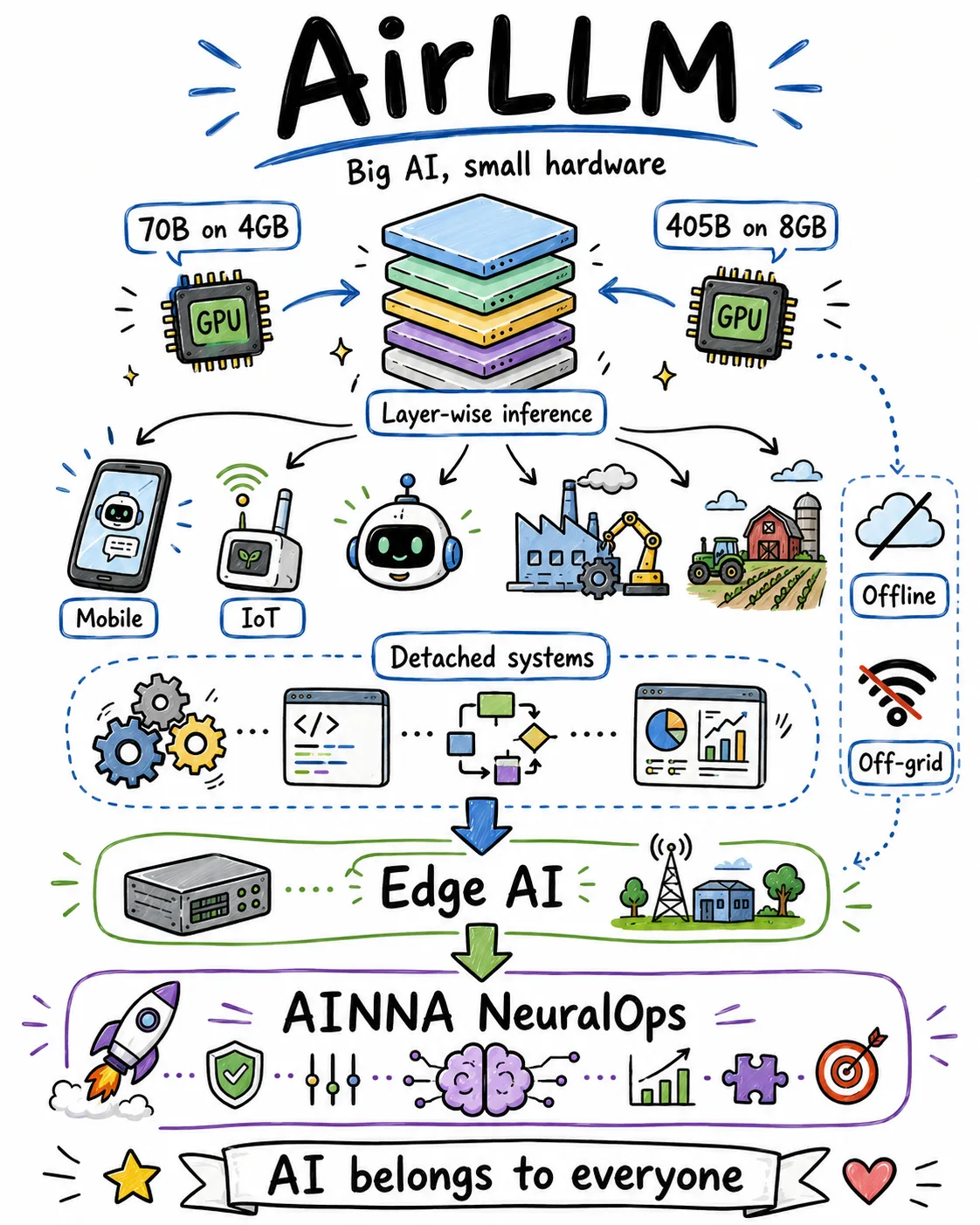
This is also the engineering goal behind AINNA NeuralOps. We are not optimising for raw petabytes under management. What matters more is eventually owning our processing power - the ability to run local LLMs, agent orchestration, inference clusters and business-automation workloads on infrastructure we control. Our ambition is not to own more storage. Our ambition is to own the processing power behind the AI economy.














Ruang pembaca
Apa pendapat anda?
Komen disemak sebelum diterbitkan. Email diperlukan untuk moderasi dan tidak dipaparkan kepada pembaca.
Me gustó la parte de este tema porque no es demasiado teórica.
You can tell the writer actually worked on construction jobs and utility bills.
Nice one. Otherwise the host nation ends alone worth the read.
Still thinking about construction jobs and utility bills.