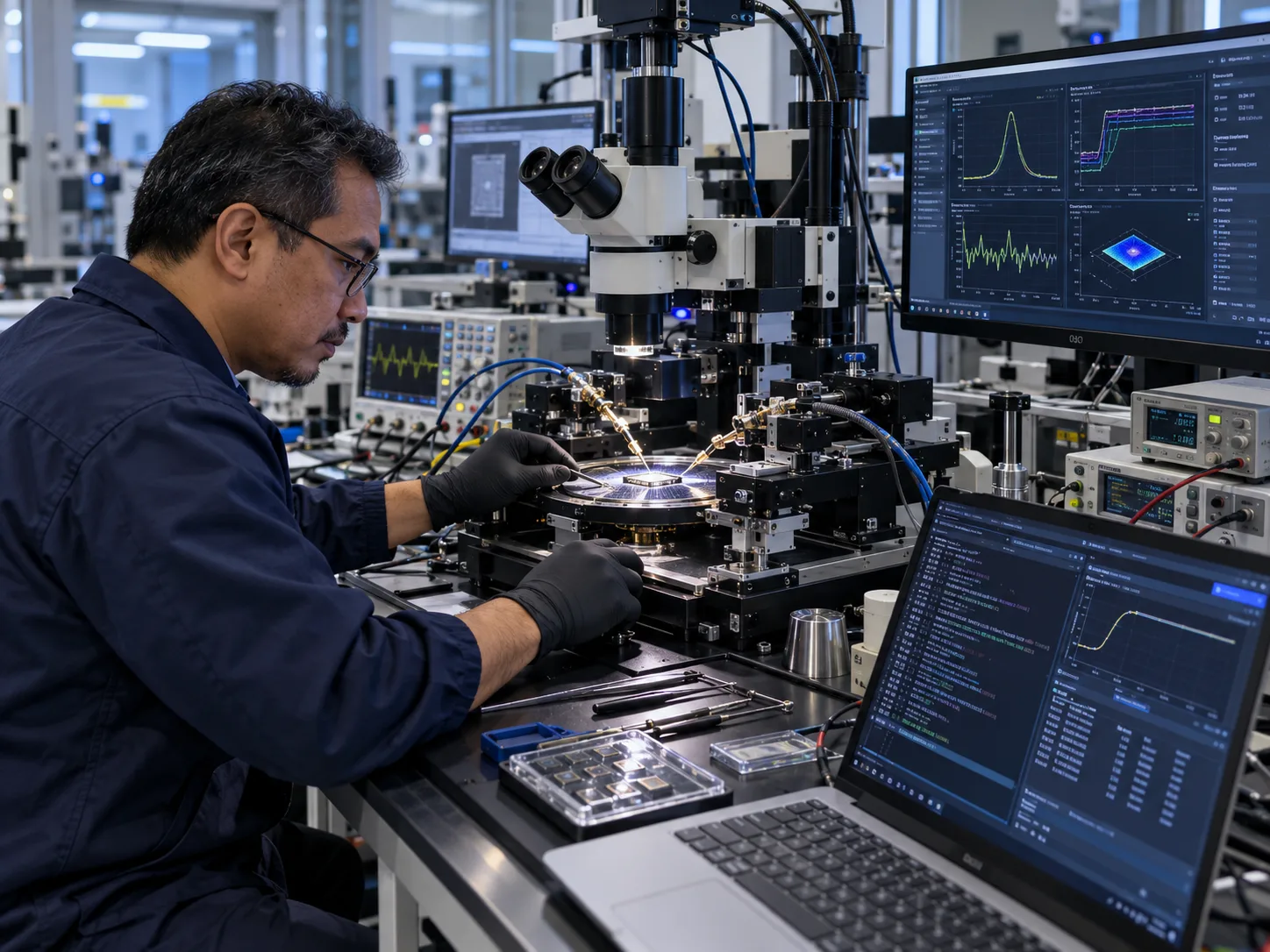
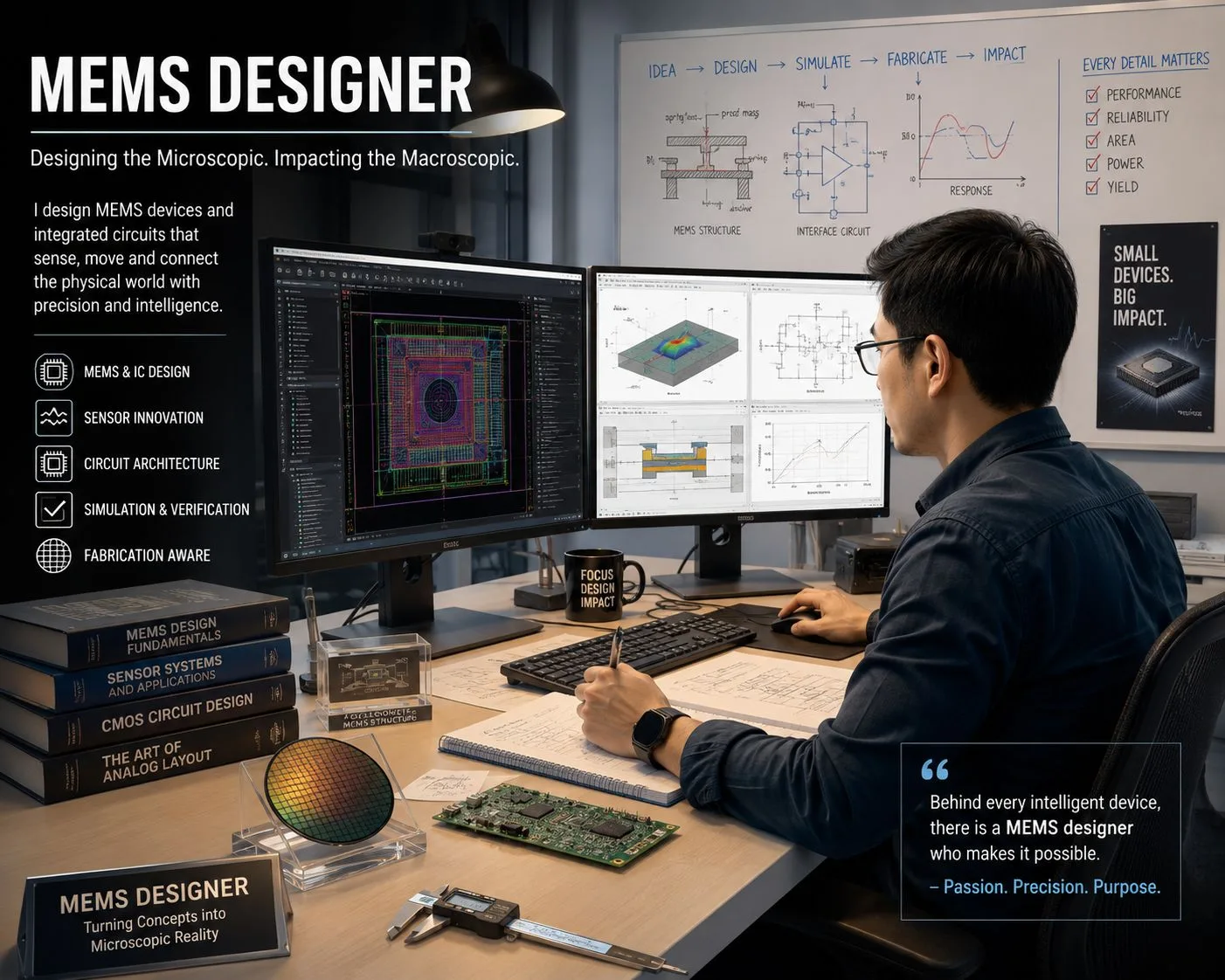
Back in 2003, I was a MEMS Design Engineer in the semiconductor industry, experimenting with web applications by combining scripts. Back then, people like me were called script kiddies.
I was sent to Dresden, Germany, to learn MEMS chip calibration from a PhD engineer whose research had helped create thousands of jobs worldwide.
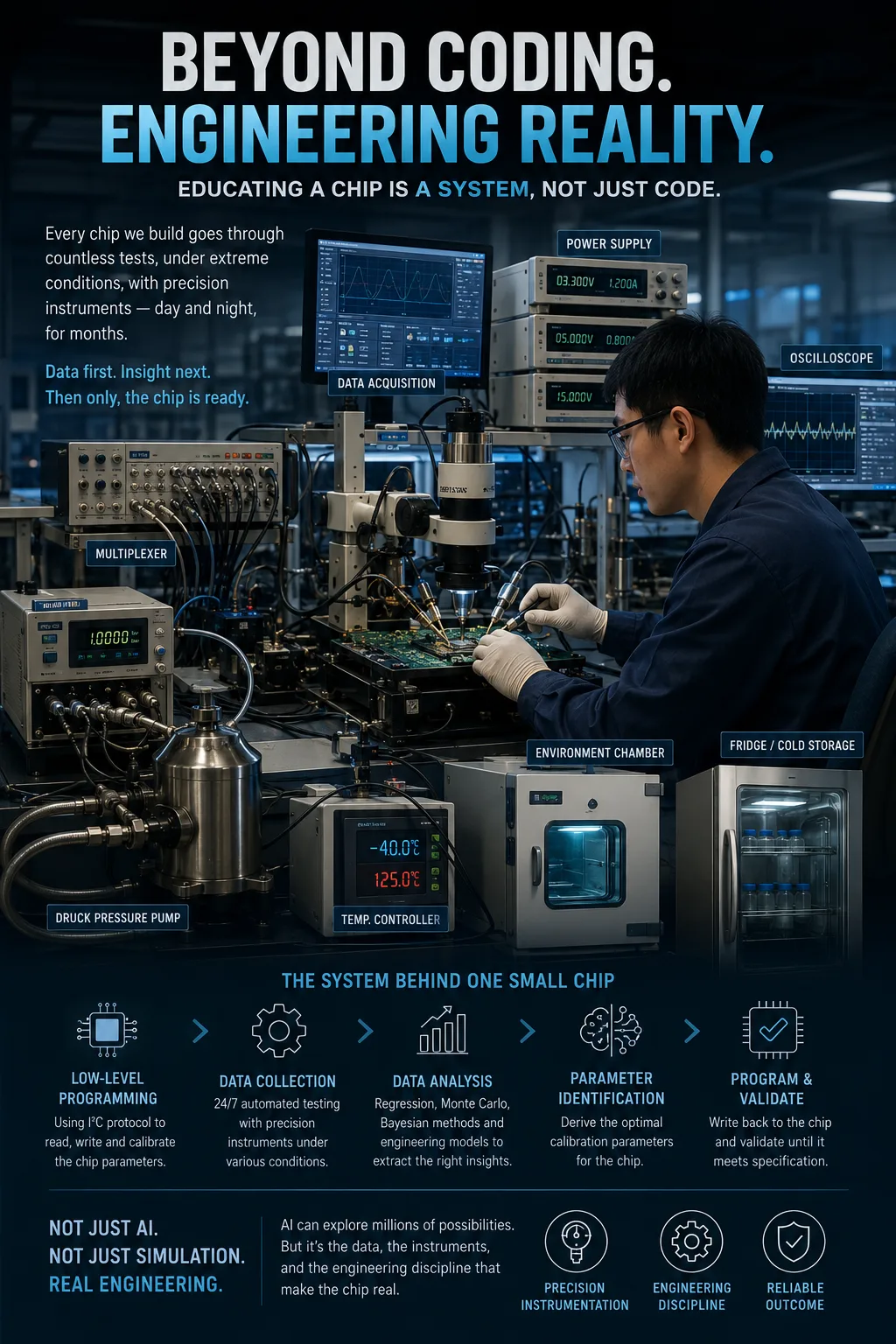
The programmer who accompanied me eventually resigned because of the technical complexity. I had no choice but to learn low-level programming, I²C protocols, system integration and LabVIEW myself.
Fast forward to 2026.
A system that once required six months of development could now, I believe, be delivered in just seven days using our own AINNA NeuralOps architecture and WebCLI, with significantly greater capabilities.
The real breakthrough isn't just faster coding. It's how AI agents fundamentally change the economics of software development.
Less development time. Lower engineering overhead. Faster deployment. Greater scalability.
After 23 years, I've realised something.
The next generation of technology companies won't necessarily be defined by the size of their engineering teams, but by how much they can deliver with the resources they have.
And that's exactly what we're building at AINNA.
#AgenticAI #AINNANeuralOps #AIInfrastructure #SoftwareEngineering #DeepTech #Innovation













Ruang pembaca
Apa pendapat anda?
Komen disemak sebelum diterbitkan. Email diperlukan untuk moderasi dan tidak dipaparkan kepada pembaca.
Saya baca dua kali. 2003 yang paling melekat.
2003读起来很清楚,也容易跟着理解。
First piece I have read that treats fast forward to 2026 honestly.
Honestly, experimenting with web applications surprised me.