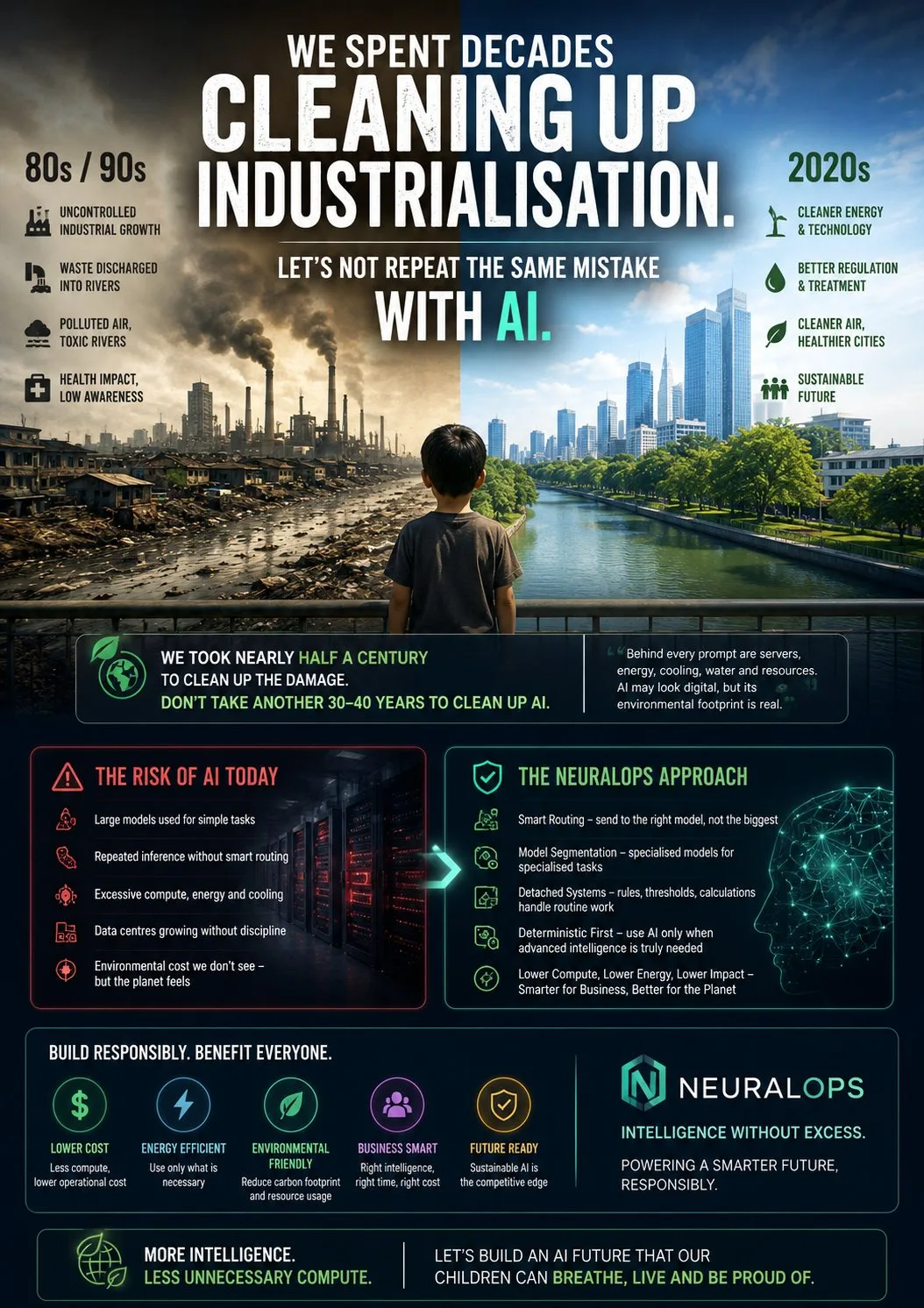
I was born in the 1970s and grew up during an era when industrial growth often came before environmental responsibility. One of the cities I lived in for decades was once known for being heavily polluted, and the river there was, at times, very toxic.
Malaysia was not alone. Across the world, factories expanded rapidly, agriculture intensified, livestock production increased, and waste controls were still weak.
By the 1980s and 1990s, environmental awareness campaigns had become more visible. Cleaning rivers, improving air quality and changing industrial practices required regulation, infrastructure, technology and, most importantly, time.
I still remember being in Busan, Korea in 1998. After being exposed to heavy rain during a period of severe pollution, I became seriously ill for long.
From the 2000s onward, the world started making significant progress. Environmental standards improved, wastewater treatment expanded, renewable energy grew, cleaner transportation became mainstream and EV adoption accelerated. China, Korea, Malaysia and many other countries invested heavily in improving the conditions created during earlier decades of uncontrolled industrialisation.
Today, many cities are dramatically cleaner than they were thirty years ago.
That progress should remind us of something important: environmental damage is not inevitable, but preventing it early is far easier than repairing it later.
This is why I am increasingly concerned about the way Artificial Intelligence is being deployed. Large models are often used for simple tasks, inference is repeated unnecessarily, and systems are built without proper routing, segmentation or deterministic processing. Behind every AI request are GPUs, servers, electricity, cooling systems, water and physical infrastructure. AI may look digital, but its environmental footprint is very real.
The problem is not AI. The problem is using AI without discipline. We spent decades cleaning up the consequences of uncontrolled industrialisation. We should not repeat the same mistake with Artificial Intelligence. At NeuralOps, our principle is simple: use advanced AI only when advanced intelligence is genuinely required. Smart Routing, specialised models, detached systems and deterministic processing can reduce unnecessary compute while preserving capability. Build more intelligence. Use less unnecessary compute. Design responsibly from the beginning.
















Ruang pembaca
Apa pendapat anda?
Komen baharu dihantar untuk semakan terlebih dahulu. Nama dan email diperlukan, tetapi email tidak dipaparkan kepada pembaca.
正直、1970は意外でした。
I read this twice. born in the 1970 is the part that stuck.
Saya kurang setuju sikit pasal 1970, tapi arah dia betul. Patut ditelusuri lagi.
We hit environmental standards improved, wastewater at work before. Good that someone wrote it down.
Nice one. environmental damage is not inevitable alone worth the read.
You can tell the writer actually worked on infrastructure, technology. It make the point easier to understand.
Honestly, busan, korea in 1998 surprised me.