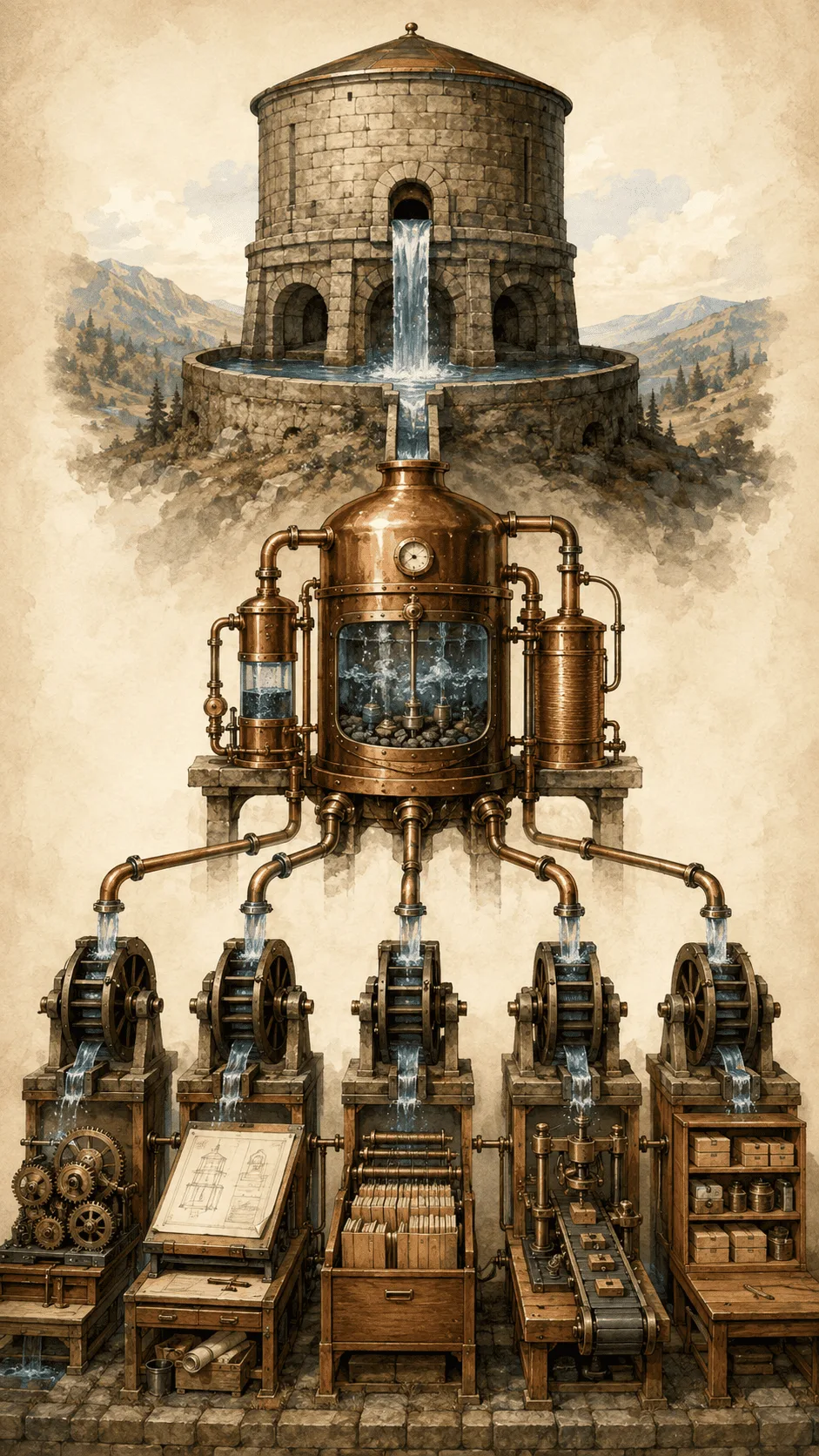
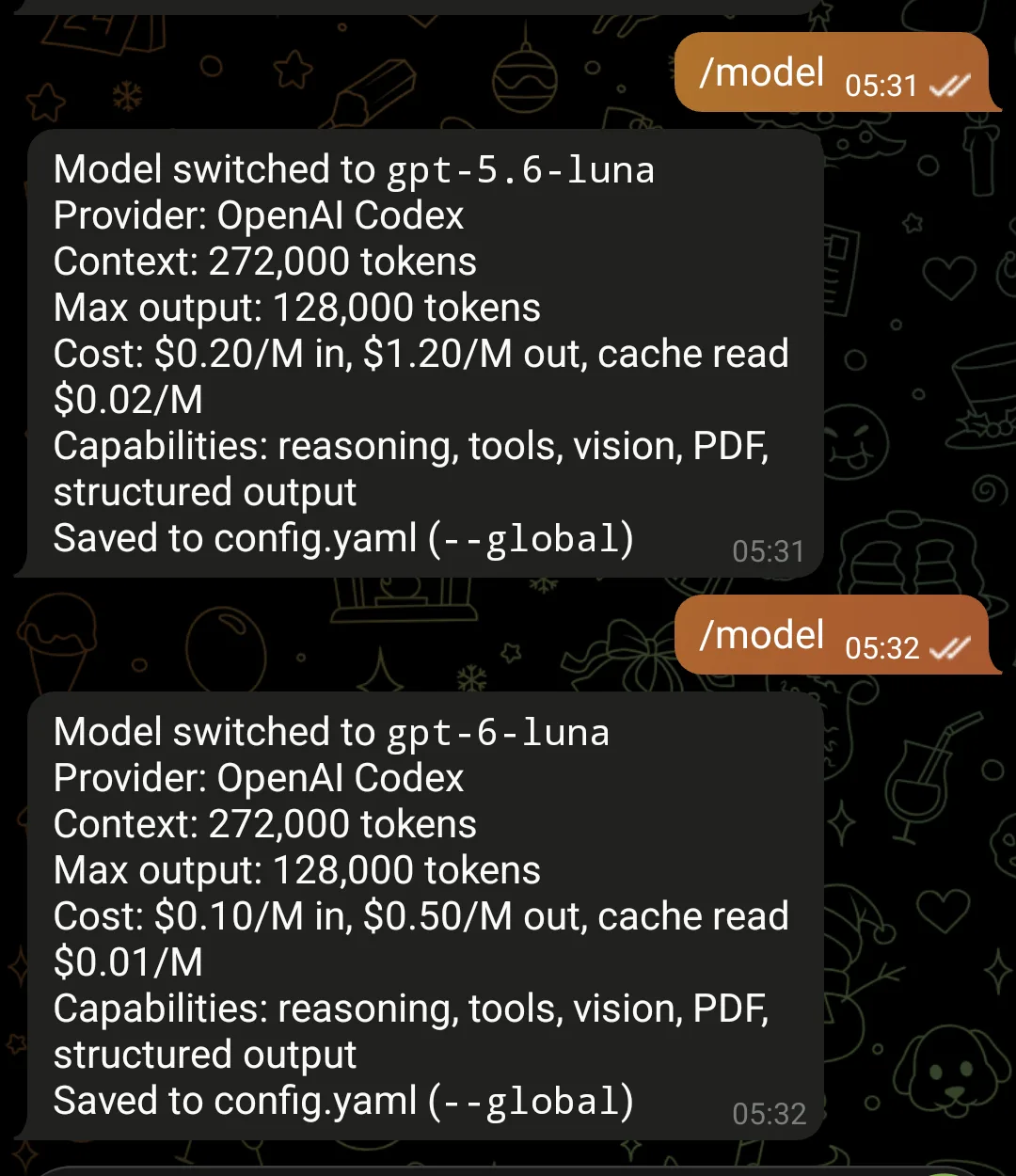
OpenAI continues to push the cost of advanced intelligence lower, while models such as DeepSeek are becoming increasingly efficient for coding and agentic workloads.
In our own development, we use OpenAI as a teacher model for distillation.
The objective is not to send every operational task permanently to the most advanced model.
We use stronger models where their intelligence creates the most value:
Training. Reasoning. Evaluation. Distillation.
Then we move repetitive and specialised workloads toward more efficient models, local models, specialised systems and deterministic processes.
One thing I have noticed during system development is the difference in token behaviour.
Some models can consume very large amounts of context during long coding and agentic tasks.
With DeepSeek, particularly for development workloads, we have been able to run substantial tasks without constantly reaching the token ceiling.
This leads to an important question:
The best AI model is not necessarily the model you should use for every task.
A better architecture may look like this:
Advanced OpenAI model → Teacher / Distillation
Efficient LLM / SLM → Specialised intelligence
Detached systems → Repetitive deterministic workloads
Smart Routing → Decide which layer should handle each task
This is where AI economics becomes interesting.
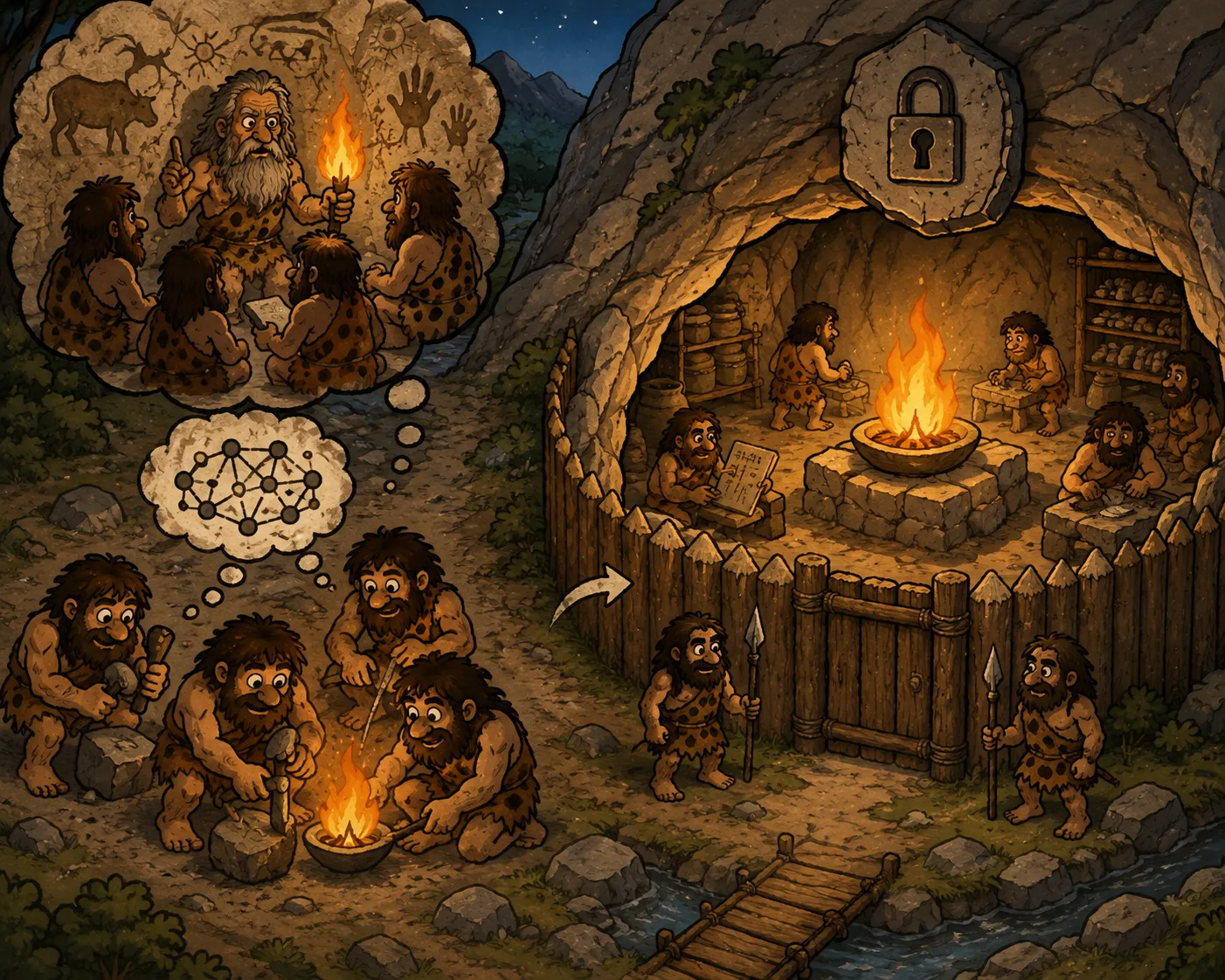
As frontier intelligence becomes cheaper, we can use it to create and improve smaller specialised intelligence rather than continuously paying frontier-model costs for every operation.
For SMEs, this could fundamentally change the economics of AI adoption.
The competitive advantage will not come from simply having access to the biggest model.
It will come from knowing:
which model to use, when to use it, what to distill, and what should not use an LLM at all.
That is the direction we are building toward at AINNA NeuralOps.
#ArtificialIntelligence #AIInfrastructure #OpenAI #DeepSeek #ModelDistillation #AgenticAI #LLM #SLM #AIAgents #SME #NeuralOps













Ruang pembaca
Apa pendapat anda?
Komen disemak sebelum diterbitkan. Email diperlukan untuk moderasi dan tidak dipaparkan kepada pembaca.
如果还有这段说明的后续,我会继续读。
The bit about frontier-model is what I keep coming back to.
Useful. We are dealing with particularly for development workloads right now.
Already sent this to two people. which model to use is why.