
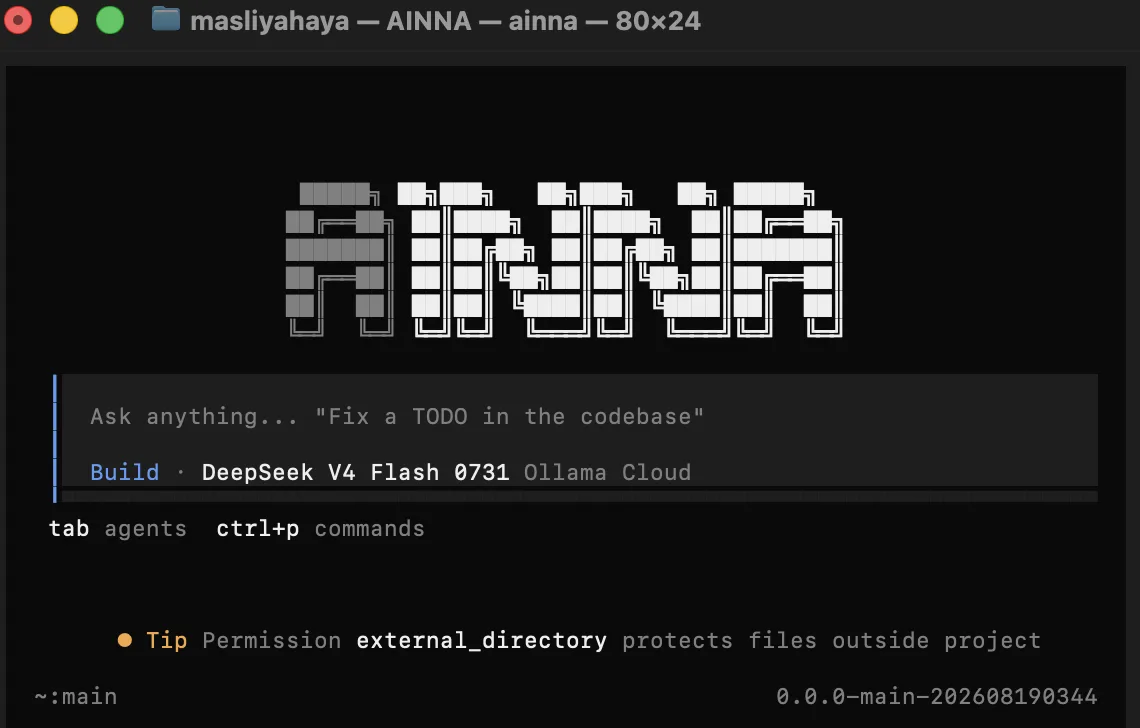
I am currently building and training an AI model specifically for SME use through AINNA NeuralOps. The objective is not to create another general-purpose chatbot, but to develop a specialised intelligence layer that understands real SME operations and can work directly with business systems.
I am not training a Large Language Model from scratch. I start with an open-source base model and fine-tune it using LoRA/QLoRA in a GPU notebook, with datasets derived from real SME use cases such as management reporting, finance, HR, sales, inventory, customer service, and website operations.
I also use advanced LLMs as teacher models for knowledge distillation. These more capable models help me generate, improve, critique, and evaluate training examples, reasoning patterns, edge cases, and SME-specific responses before the useful knowledge is transferred into a smaller specialised model.
My current workflow is: Advanced LLM Teacher → SME Dataset → Distillation → LoRA/QLoRA → Specialised SME Model → NeuralOps Agent Harness. The aim is to use powerful models for teaching, while using smaller models for day-to-day operational workloads.
The specialised model is then harnessed inside NeuralOps, together with Smart Routing, specialised agents, databases, APIs, and Detached Systems. NeuralOps determines which model, tool, data source, or workflow should handle each task instead of sending everything to one large LLM.
For simple and predictable tasks, I use deterministic systems such as PHP, Python, SQL, or business rules. For routine intelligence, NeuralOps can use the specialised SME model. Only more complex reasoning tasks are escalated to larger models, helping reduce unnecessary inference cost and dependency on external AI providers.
Live business data also remains inside operational systems such as MySQL, HR, Finance, Inventory, CRM, and reporting platforms. The model does not need to memorise the entire company. It learns how to understand SME operations, while the actual systems provide current and verifiable information.
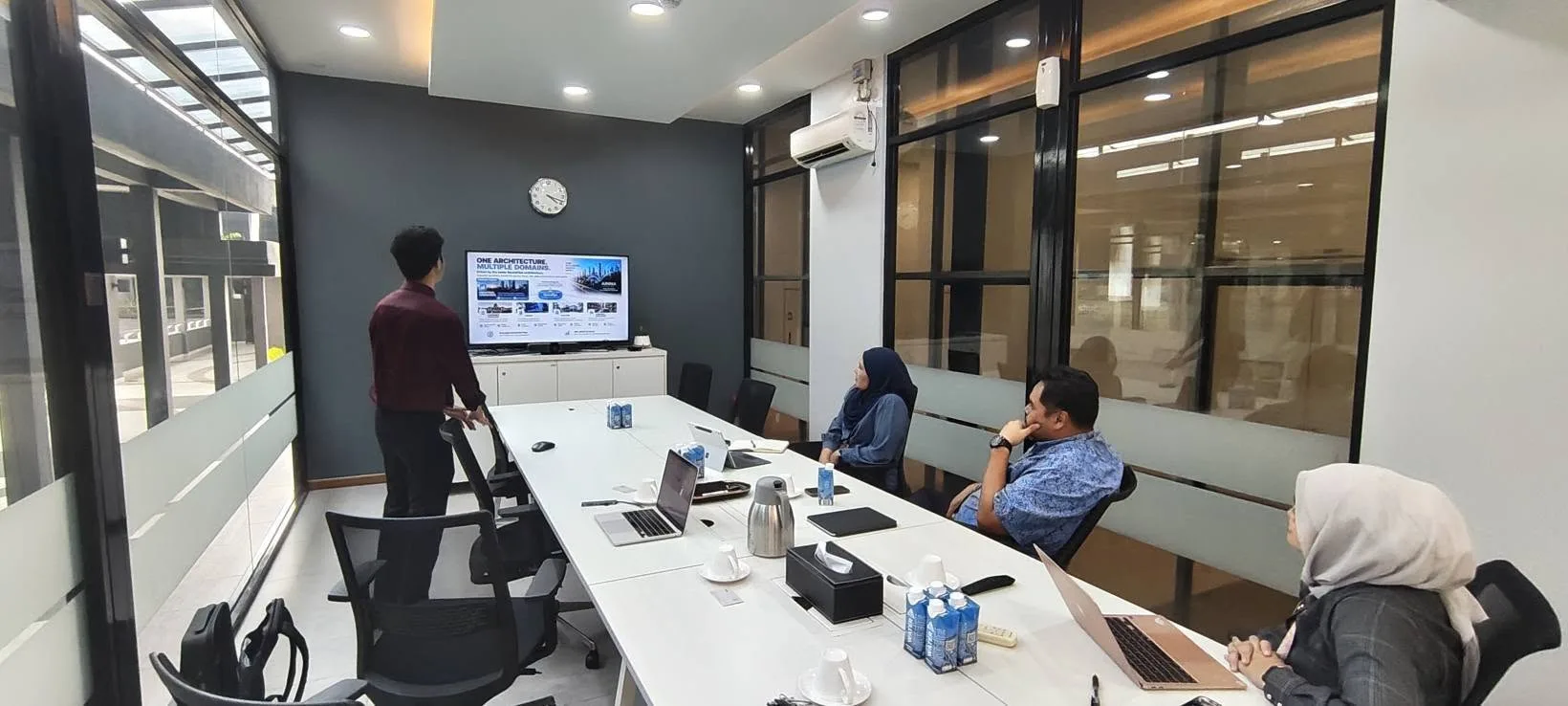
The architecture I am building is essentially: Business Systems → NeuralOps → Smart Routing → Specialised SME Model / Tools / Advanced LLM → Validation → Action. My goal is to make AI more practical for SMEs: smaller, specialised, cost-efficient, controllable, and integrated into real business workflows rather than existing only as a conversational assistant.
#AINNA #NeuralOps #AI #AgenticAI #SME #LLM #KnowledgeDistillation #LoRA #QLoRA #OpenSourceAI #Automation #BusinessIntelligence















Ruang pembaca
Apa pendapat anda?
Komen disemak sebelum diterbitkan. Email diperlukan untuk moderasi dan tidak dipaparkan kepada pembaca.
Belum yakin sepenuhnya pasal neuralOps can use the specialised, tapi hujah dia munasabah.
The framing on live business data also remains is better than expected.
Still thinking about neuralOps can use the specialised.
helping reduce unnecessary inference cost is the part I would forward to my boss.
เห็นด้วยเรื่องหัวข้อนี้ แต่ทำจริงยาก
The bit about business systems is what I keep coming back to.