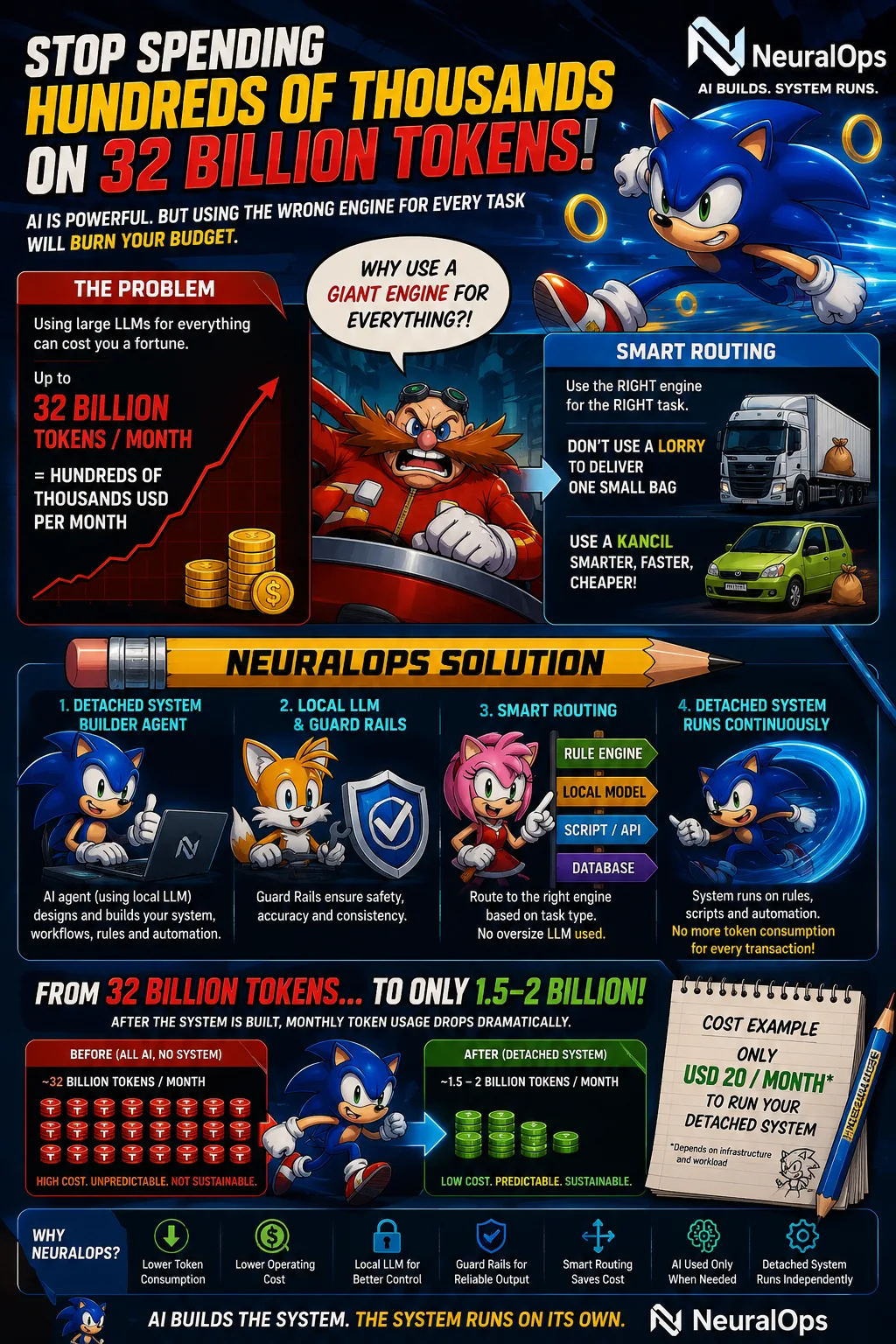
Scale AI usage to 32 billion tokens per month and the line item quickly becomes a material operating expense. Depending on model choice, architecture, and traffic pattern, that recurring cost can run into hundreds of thousands of US dollars every month. For a Malaysian SME managing tight cash flow and a lean IT budget, that kind of run rate is unsustainable unless it directly drives revenue or removes an even larger cost elsewhere.
The accounting problem here is not always that AI is expensive. More often, it is capital misallocation: organisations deploy large LLMs for every request, including routine work that could be handled by deterministic rules, scripts, databases, or smaller local models. From a cost-control standpoint, that is like using a heavy-duty lorry to move one small bag from Melaka to Kuala Lumpur. The job gets done, but a Kancil would deliver the same outcome at a far lower fuel, maintenance, and depreciation cost per trip. That is the principle behind Smart Routing-matching the right processing engine to the right task so that premium capacity is reserved for premium needs.
At AINNA, our NeuralOps Detached System Builder Agent follows this discipline. It uses local LLMs, Guard Rails, and Smart Routing to design and build the system. Token consumption during the initial learning, development, testing, and validation phase can be significant, but that cost is project-stage expenditure rather than a permanent run rate.
Once the Detached System is completed, repetitive operations are shifted to fixed rules, PHP services, automation scripts, databases, and validated workflows. The system can then run continuously without calling a commercial LLM for every transaction. The variable AI cost is replaced, for the most part, by predictable fixed infrastructure costs.
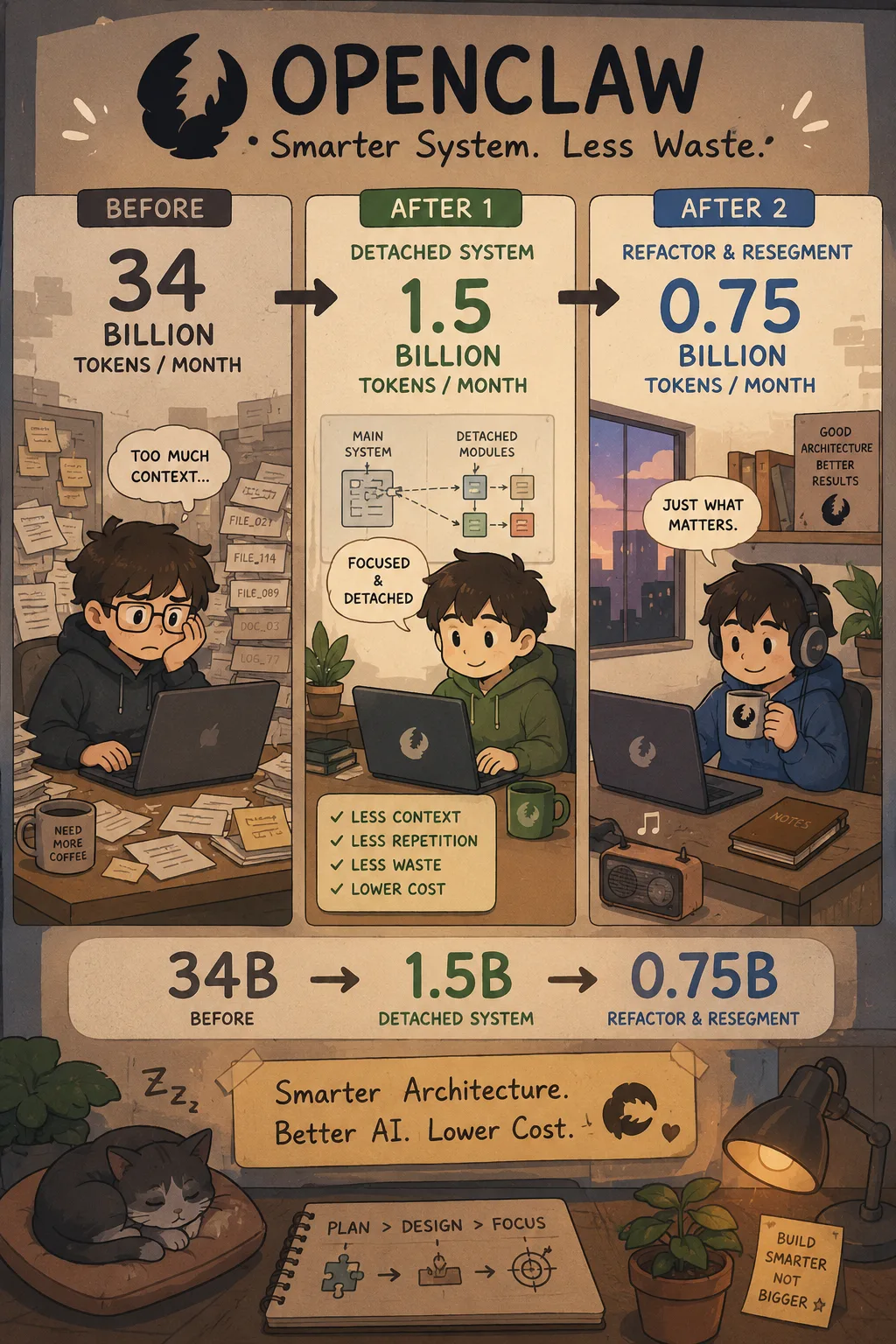
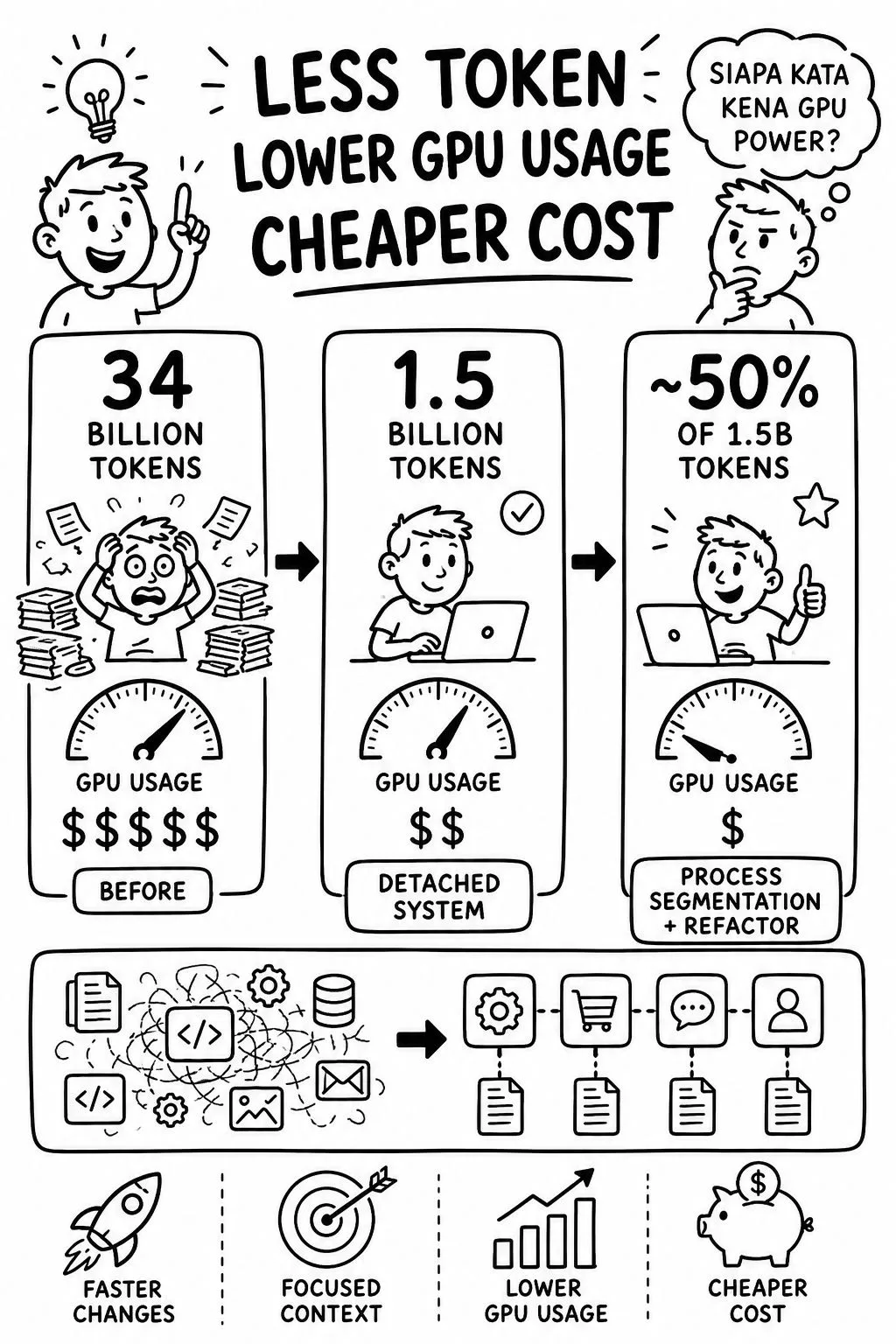
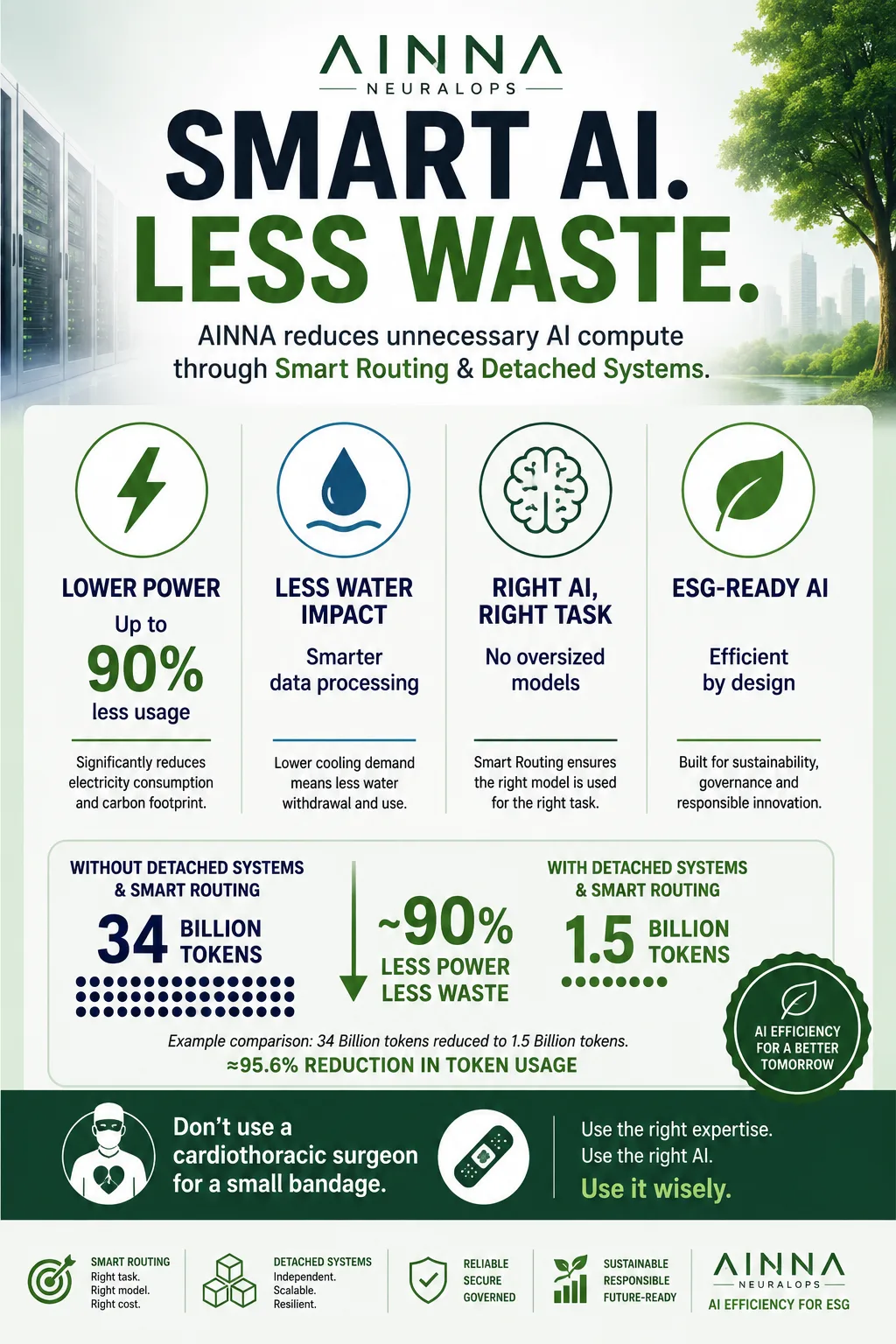
The financial impact is substantial. Monthly token usage can fall from roughly 32 billion to 1.5–2 billion tokens, with the remaining consumption focused on exceptions, unknown cases, system improvements, and tasks that genuinely require AI reasoning. In certain use cases, the core detached workflow can operate for around USD20 per month, depending on infrastructure and workload. For an SME, that changes the conversation from whether the business can afford AI to what return a given workflow must generate.
Key financial and operational outcomes:
Lower recurring token consumption and a smaller AI vendor bill
Reduced long-term operating costs and improved OpEx predictability
Local LLM usage that lowers third-party dependency and unit cost
Guard Rails that limit cost variance and output risk
Smart Routing that prevents oversized models from inflating the run rate
AI reserved for cases where AI genuinely adds value
Detached workflows that keep running without repeated token charges
From a finance and accounting perspective, the NeuralOps principle is straightforward:
Do not book a lorry when a Kancil can complete the job. Let AI build the system, then let the system run on its own.














Ruang pembaca
Apa pendapat anda?
Komen disemak sebelum diterbitkan. Email diperlukan untuk moderasi dan tidak dipaparkan kepada pembaca.
我喜欢32这部分,因为它讲得比较务实。
The framing around token consumption during the initial is better than I expected.
Whoever wrote this actually did the work on including routine work.
Clear and short. Sharing scale AI usage to 32 with my team.
First piece that handles from roughly 3 32 billion honestly.