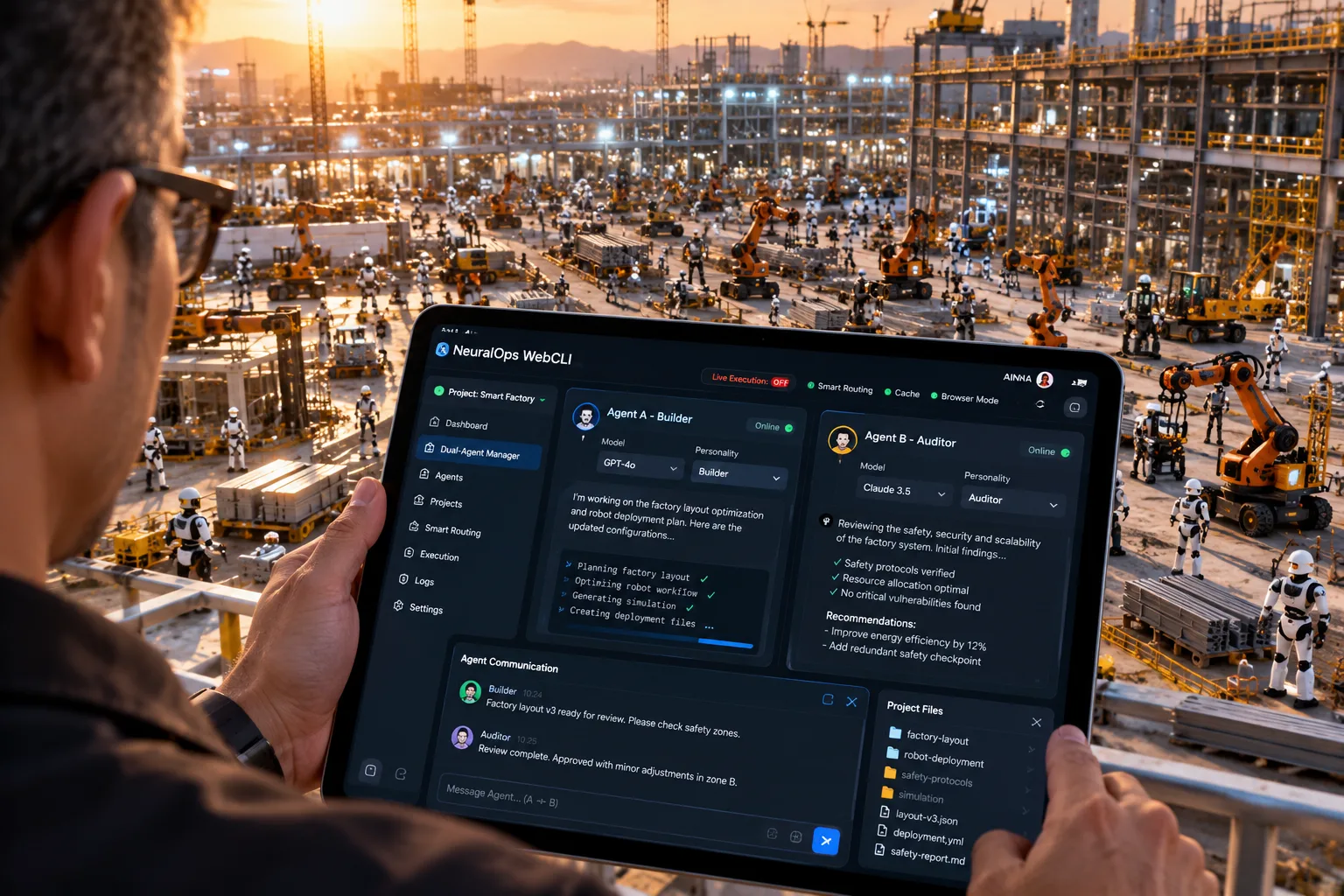
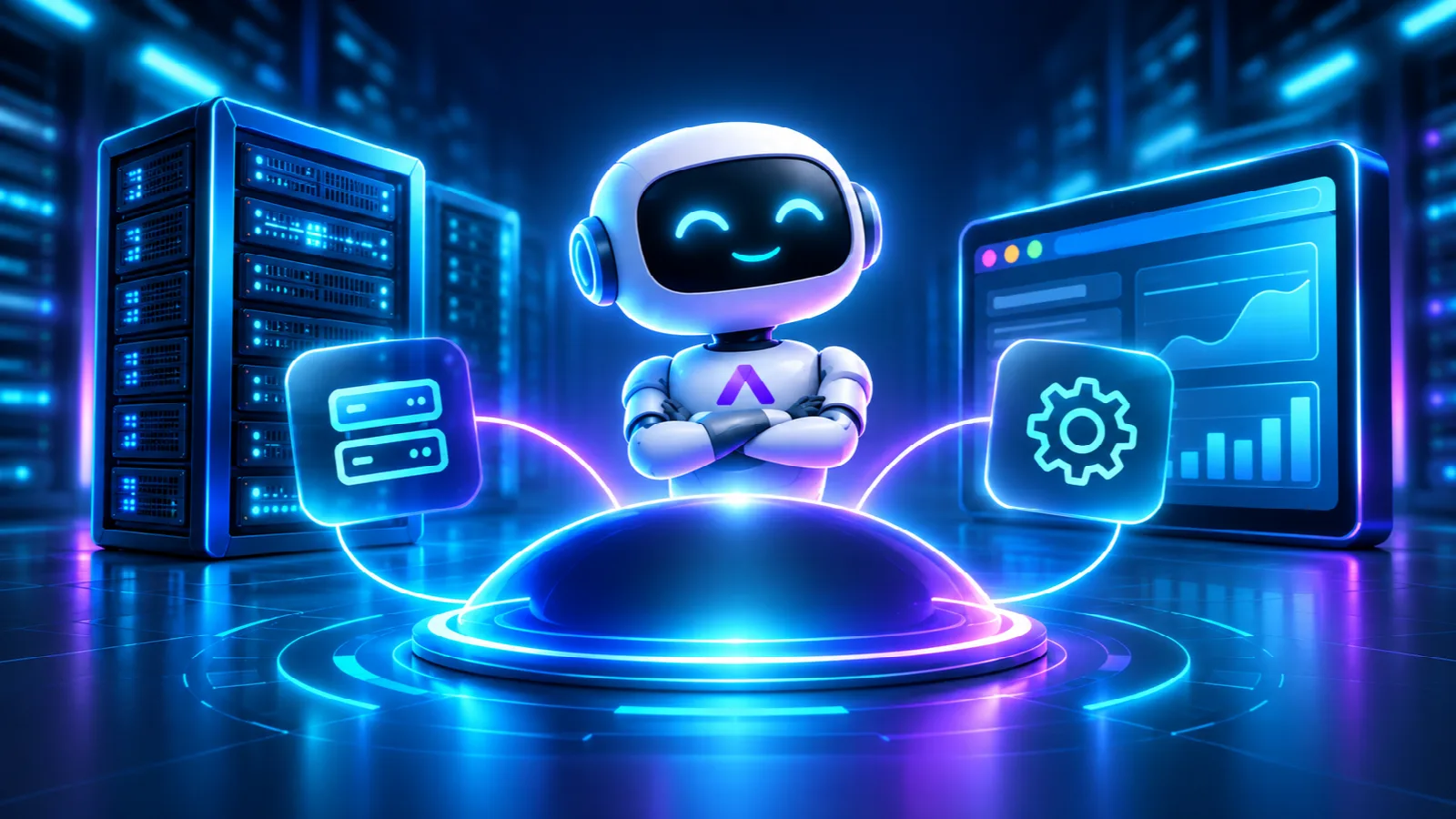
At AINNA NeuralOps, I evaluate Agentic AI the way I evaluate any operational investment: by cost per transaction, control quality and measurable business value. The team is developing a more efficient, collaborative and industry-adaptable AI ecosystem, with economics that Malaysian SMEs can defend.
From a finance and accounting perspective, the direction rests on 5 core capabilities:
🧠 1. Multi-Stage Smart Routing
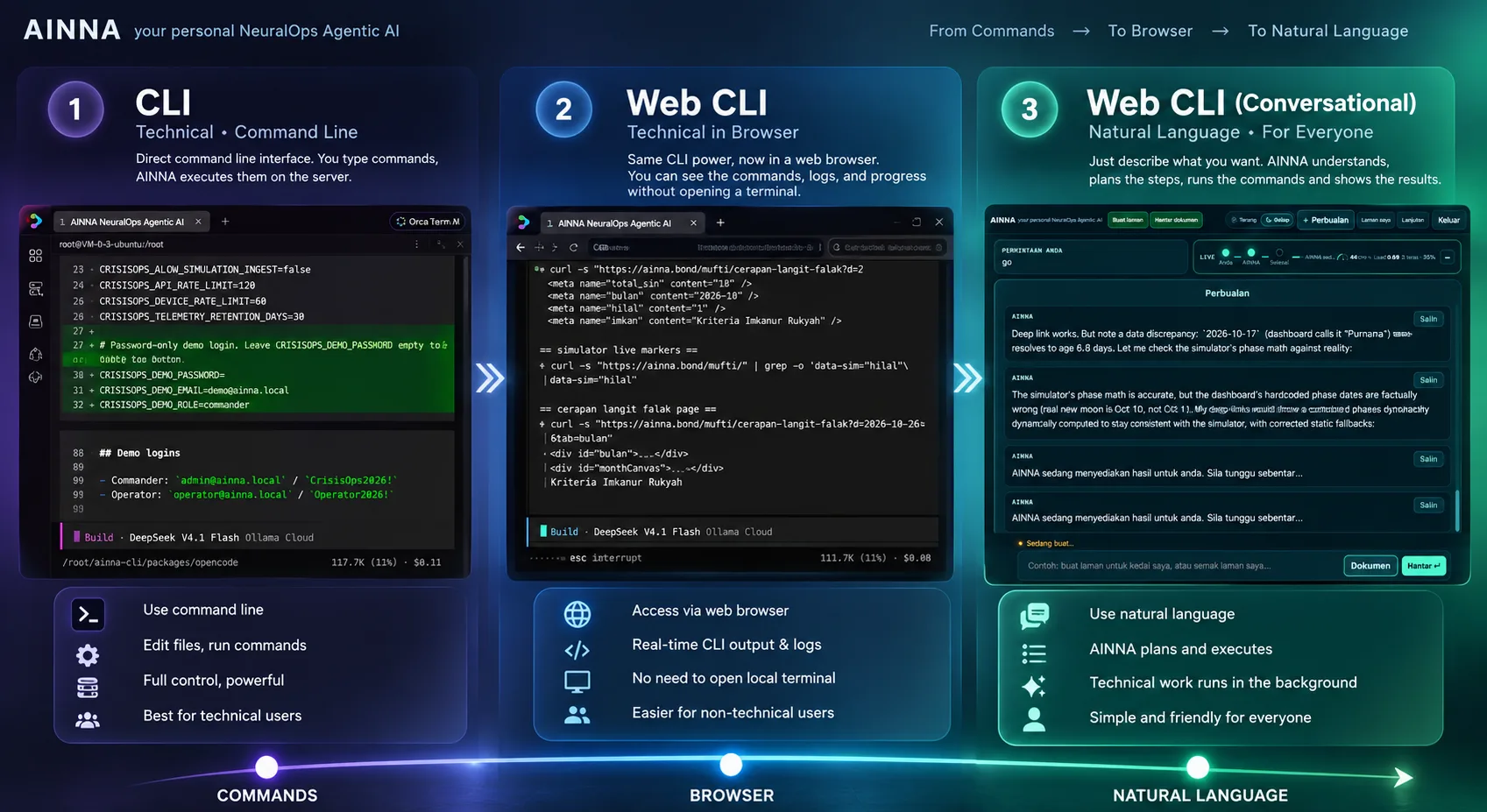
Not every task should consume the most expensive model. The system routes each instruction through rules, specialized parsers, SLMs or LLMs based on complexity-so cost scales with the value of the task, not with habit.
⚡ 2. Intelligent Caching
Repeated instructions can reuse validated results and workflows. In accounting terms, that means less wasted inference spend, lower token consumption and shorter processing time-with a cleaner audit trail for work already reviewed.
💻 3. Browser-Side Processing
For suitable tasks, the system can use the user's device rather than carrying all processing on servers. That improves utilization of existing computing capacity and reduces infrastructure cost-an asset-management decision, not just a technical one.
🤖 4. Collaborative Multi-Agent Intelligence
Multiple AI agents with different models, personalities and expertise work together on the same project. That mirrors good financial control: no single agent should originate, approve and report a transaction without review.
A Builder develops, an Auditor reviews, an Architect designs, and a Debugger resolves issues - all within a coordinated workflow with visible checks, review points and accountability.
🏭 5. Industry-Specific AI Agent Teams
Every AI agent team can be customized to match industry-specific workflows, expertise and operational requirements.
Examples include:
🛒 Retail & E-Commerce - Sales, inventory, marketing and customer service, with margin and stock visibility.
🏭 Manufacturing - Production planning, quality control and predictive maintenance, tied to throughput and downtime cost.
💻 Software Development & DevOps - Coding, testing, security and deployment, with cost and release controls.
💰 Finance & Accounting - Financial analysis, reporting, compliance and reconciliation, with clear review trails.
🚚 Logistics & Supply Chain - Inventory forecasting, delivery optimization and procurement, measured against working-capital impact.
🏥 Healthcare - Administration, scheduling and documentation, with privacy and process controls.
🏗️ Construction & Engineering - Project management, technical review and cost estimation, where variance control matters.
🏨 Hospitality & Tourism - Reservations, guest experience and operations, with revenue and utilization visibility.
🌾 Agriculture - Farm monitoring, resource planning and yield analysis, linked to input cost and output.
🎓 Education - Learning support, administration and content development, with cost-to-serve clarity.
One AI architecture. Different industries. Specialized agent teams with measurable outcomes.
The operating philosophy is simple:
Use fewer unnecessary tokens. Sweat the computing assets already available. Reuse validated intelligence. Let specialized AI agents collaborate under clear review.
This is not just about building AI assistants.
The goal is an adaptable AI workforce with a defensible cost model for businesses of different sizes and industries.
AINNA NeuralOps - Engineering Efficiency into Intelligence.
#AINNA #NeuralOps #AgenticAI #MultiAgentSystems #SmartRouting #AIAutomation #Industry40 #SustainableAI #DigitalTransformation














Ruang pembaca
Apa pendapat anda?
Komen disemak sebelum diterbitkan. Email diperlukan untuk moderasi dan tidak dipaparkan kepada pembaca.
ยังคิดเรื่อง40อยู่
The numbers around lower token consumption and shorter make more sense than most posts I read.
Sent this to two people already. collaborative and industry-adaptable AI is why.
Sa totoo lang, nakakagulat ang 40.
40 هو الجزء الذي سأرسله لمديري.