Everyone is talking about AI agents.
Very few are talking about what determines whether an AI deployment actually returns value in production.
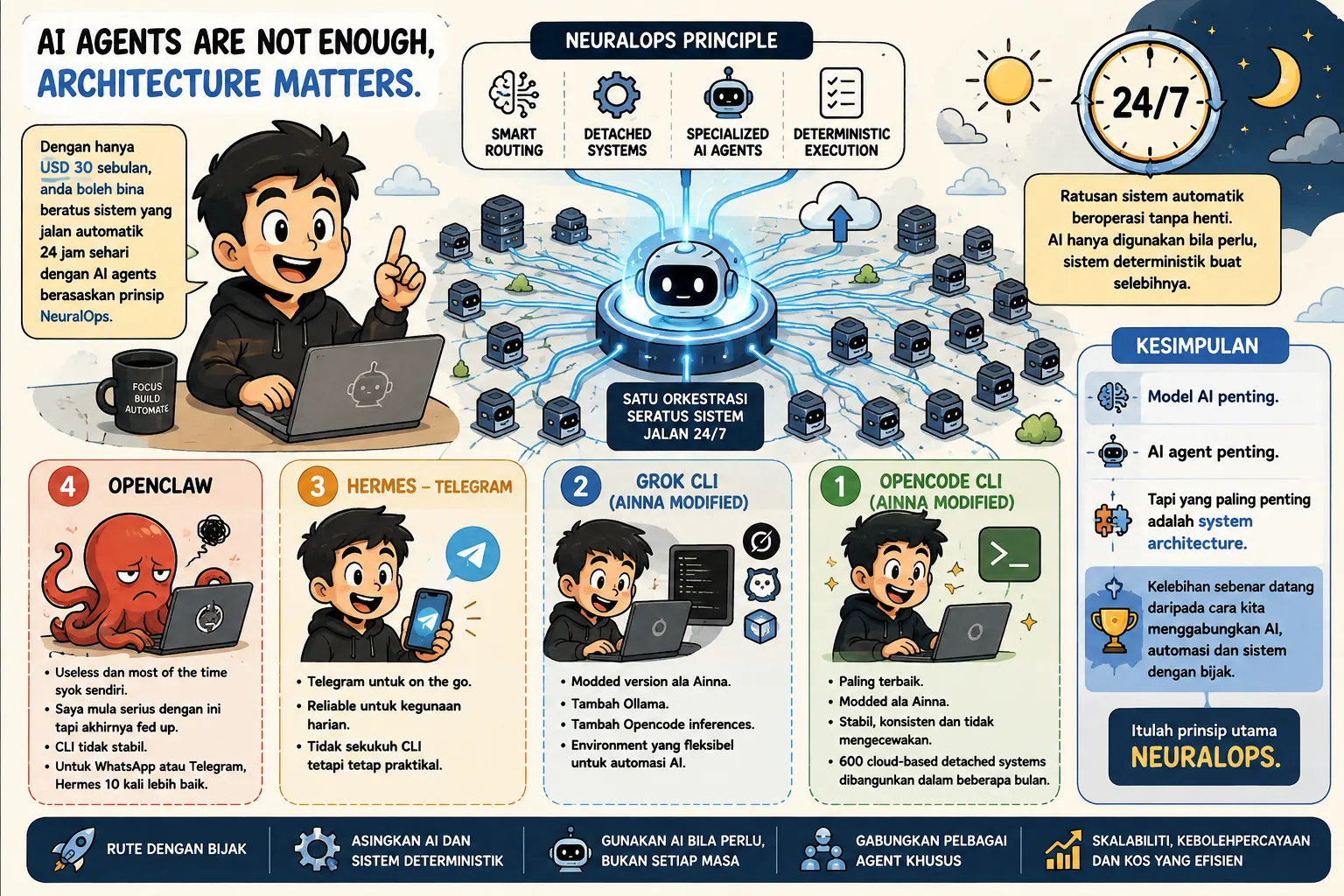
Today, for roughly USD30 per month, almost any business can subscribe to an LLM and spin up autonomous processes that run continuously. Access is no longer the bottleneck.
The real capital risk is choosing the wrong architecture, orchestration strategy, and AI agent mix.
At AINNA, we design autonomous systems around NeuralOps principles because they translate directly into controllable cost, asset longevity, and scalable operations for Malaysian SMEs:
- Smart Routing
- Detached Systems
- Specialized AI Agents
- Deterministic execution wherever AI reasoning is unnecessary
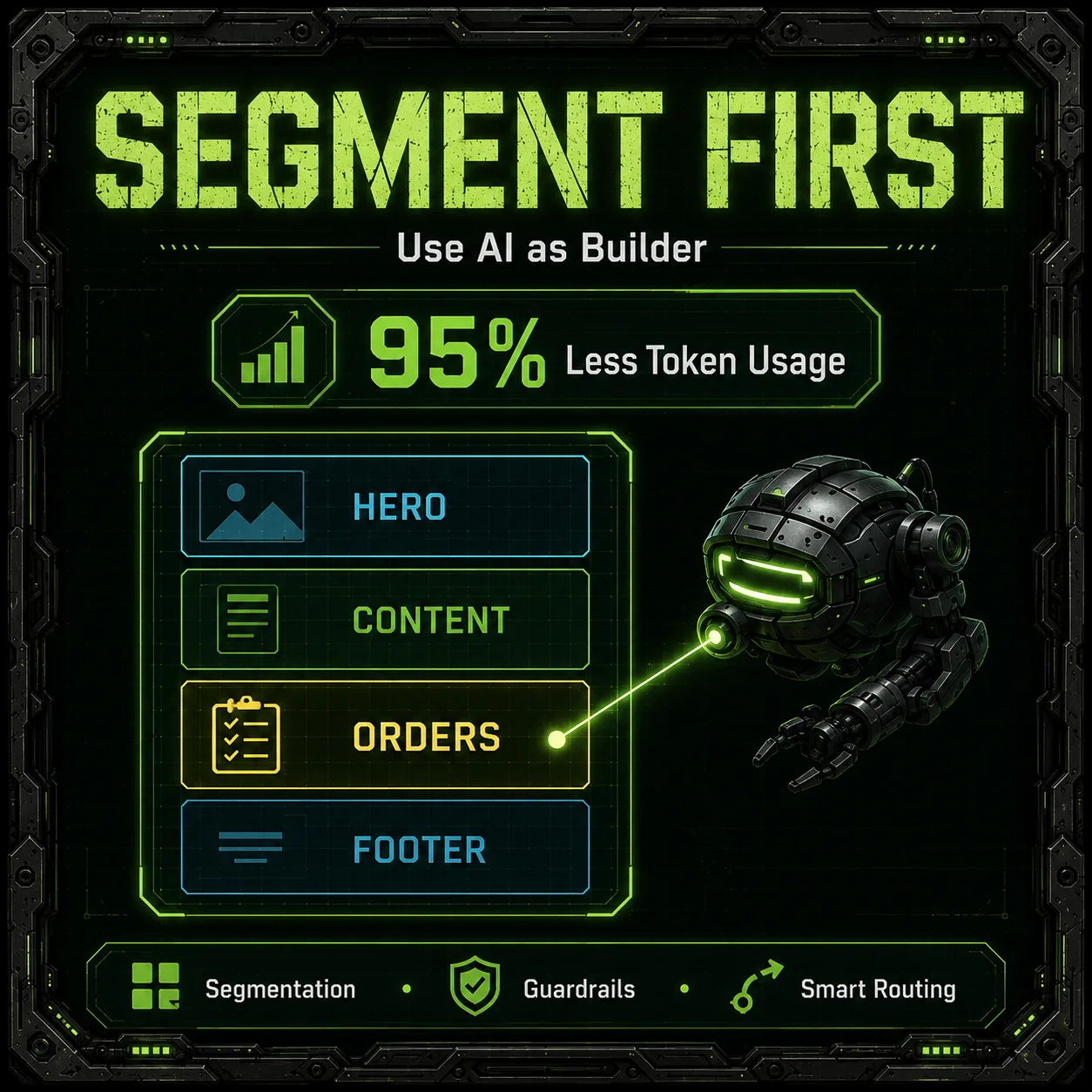
This means we deploy intelligence only where it creates measurable return, and let conventional software handle predictable, repeatable work.
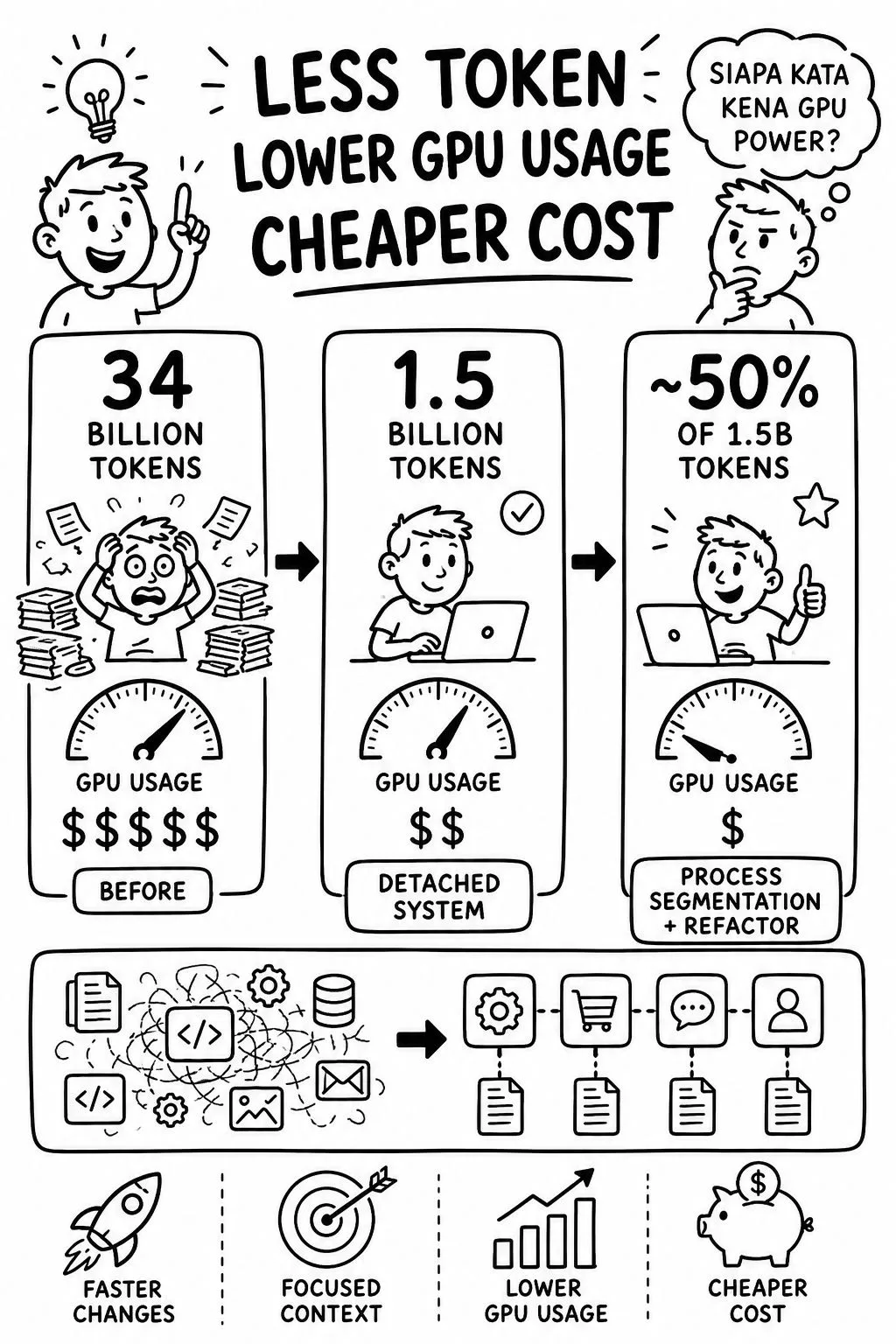
The financial result is lower operating cost, lower token consumption, improved reliability, and better scalability.
From the Operations Floor
Over the past several months, our team has evaluated multiple AI agent ecosystems through a cost-risk lens.
4. OpenClaw
OpenClaw is an impressive open-source project with broad channel integrations and an ambitious vision.
For our production workloads, however, it proved the least suitable option.
We invested considerable time testing it because the roadmap looked compelling from a unit-cost standpoint.
In practice, the time spent managing instability eroded the expected savings.
For our requirements, it became difficult to justify as the primary production platform.
That does not mean OpenClaw is a bad project-it simply did not match our financial and operational model.
3. Hermes
Hermes became our preferred mobile companion.
When travelling or away from the workstation, Telegram integration makes it highly practical.
It is not as capable as a full CLI workflow, but for quick approvals, monitoring, and lightweight automation, it performs well.
2. Grok CLI (AINNA Modified)
We heavily customized the CLI environment by integrating:
- Ollama
- OpenCode inference workflows
- Internal orchestration
- Detached execution pipelines
The result is a practical development environment capable of coordinating multiple AI tasks efficiently, with better cost visibility per workflow.
1. OpenCode CLI (AINNA Modified)
This has become the backbone of our engineering workflow.
After extensive customization around the NeuralOps architecture, OpenCode provides the most reliable experience for large-scale AI engineering we have measured.
Using this approach, we built approximately 600 cloud-based detached systems in just a few months.
The lesson is straightforward:
The AI model matters.
The AI agent matters.
But neither is the primary value driver.
System architecture is what determines whether AI becomes a recurring cost drain or a scalable, income-producing asset.
The Future of AI Investment
The next generation of AI will not be defined by who has the biggest model.
It will be defined by who has the most capital-efficient orchestration.
Winning organizations will:
- Route intelligently.
- Separate deterministic logic from AI reasoning.
- Activate large models only when necessary.
- Combine multiple specialised agents instead of relying on one general-purpose assistant.
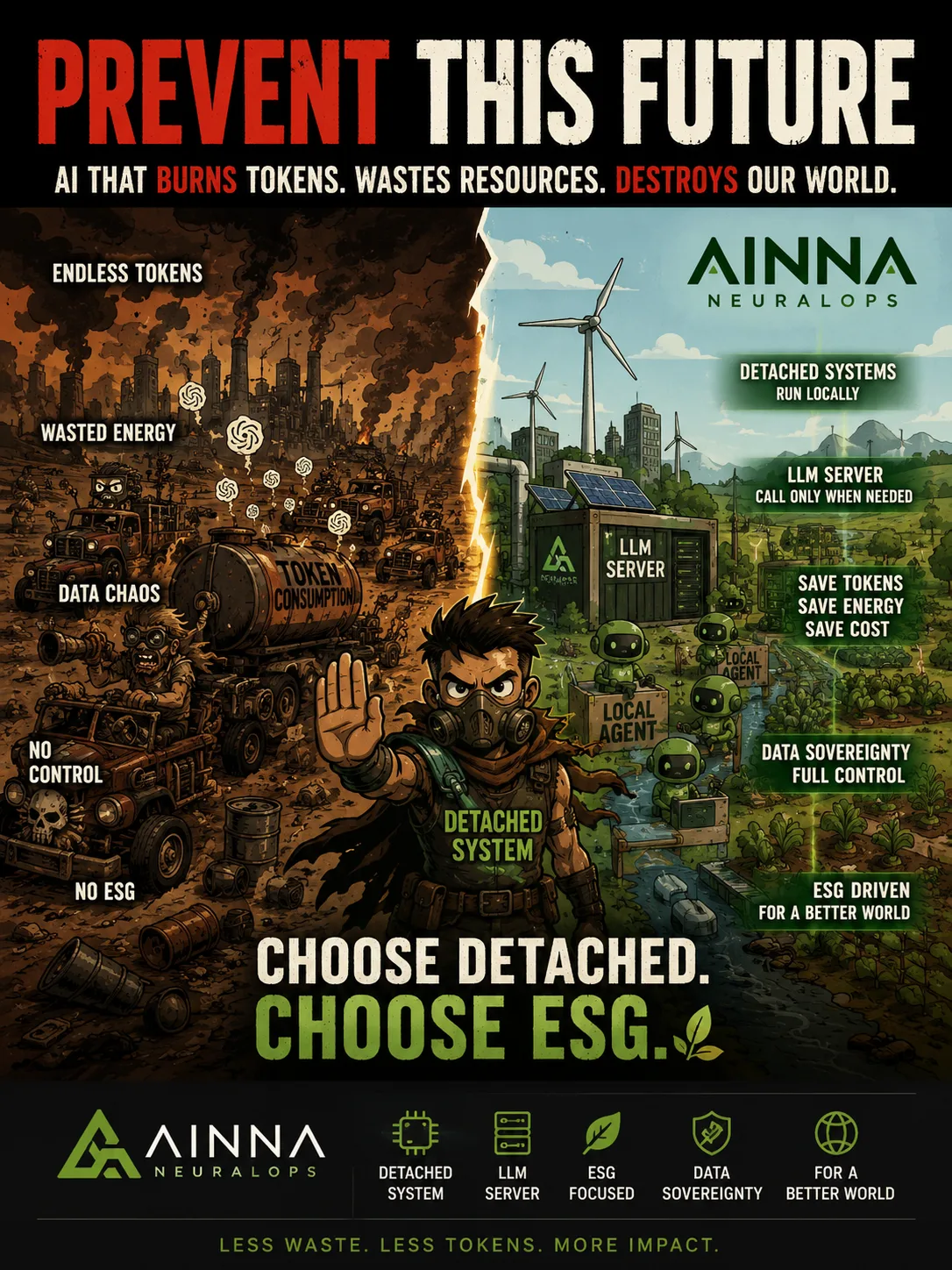
- Treat AI as infrastructure-not merely as a chatbot.
In the coming years, competitive advantage will belong to companies that extract the most business value per ringgit spent on AI, not to those that consume the most tokens.
That is the financial discipline behind NeuralOps.
Official Cross-Network Resource














Ruang pembaca
Apa pendapat anda?
Komen disemak sebelum diterbitkan. Email diperlukan untuk moderasi dan tidak dipaparkan kepada pembaca.
Berguna. Kami sedang hadap 30 sekarang.
The bit about for roughly USD 30 is what I keep coming back to.
Worth reading for built approximately 6 600 alone.