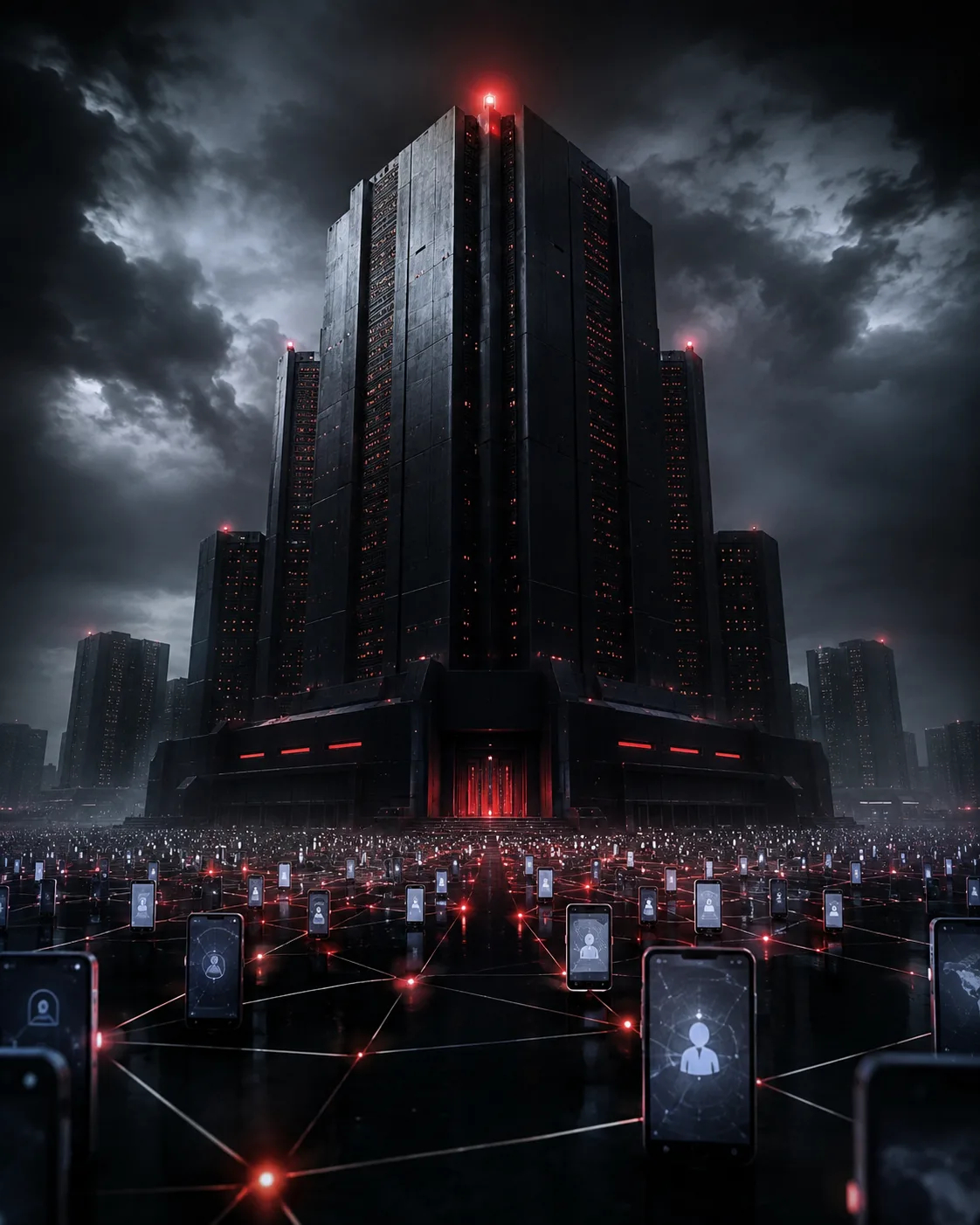
By 2039, the world may rely less on centralized data centres as billions of smartphones become part of a distributed computing network.
With around 10 billion smartphones, each averaging 4 TB, total theoretical capacity could reach 40 ZB. If just 20% were securely shared, that could provide approximately 8 ZB of distributed storage-without building equivalent centralized infrastructure.
Future smartphones will also offer powerful CPUs, GPUs, NPUs, RAM, connectivity and local AI models. Their idle capacity could support:
• Distributed storage
• Compute workloads
• AI inference
• Encrypted backups
• Edge services
The architecture could evolve from:
*Device → Data Centre → Device*
to:
*Device ↔ Device ↔ Edge ↔ Data Centre*
Data centres would remain important, but their role could shift toward coordination, high-performance computing and resilience.
This model also offers ESG benefits by improving hardware utilization, processing data closer to its source, reducing unnecessary data transfers and limiting the need for new infrastructure.
However, major challenges remain, including security, identity, device trust, replication, routing, battery protection, thermal management and energy efficiency.
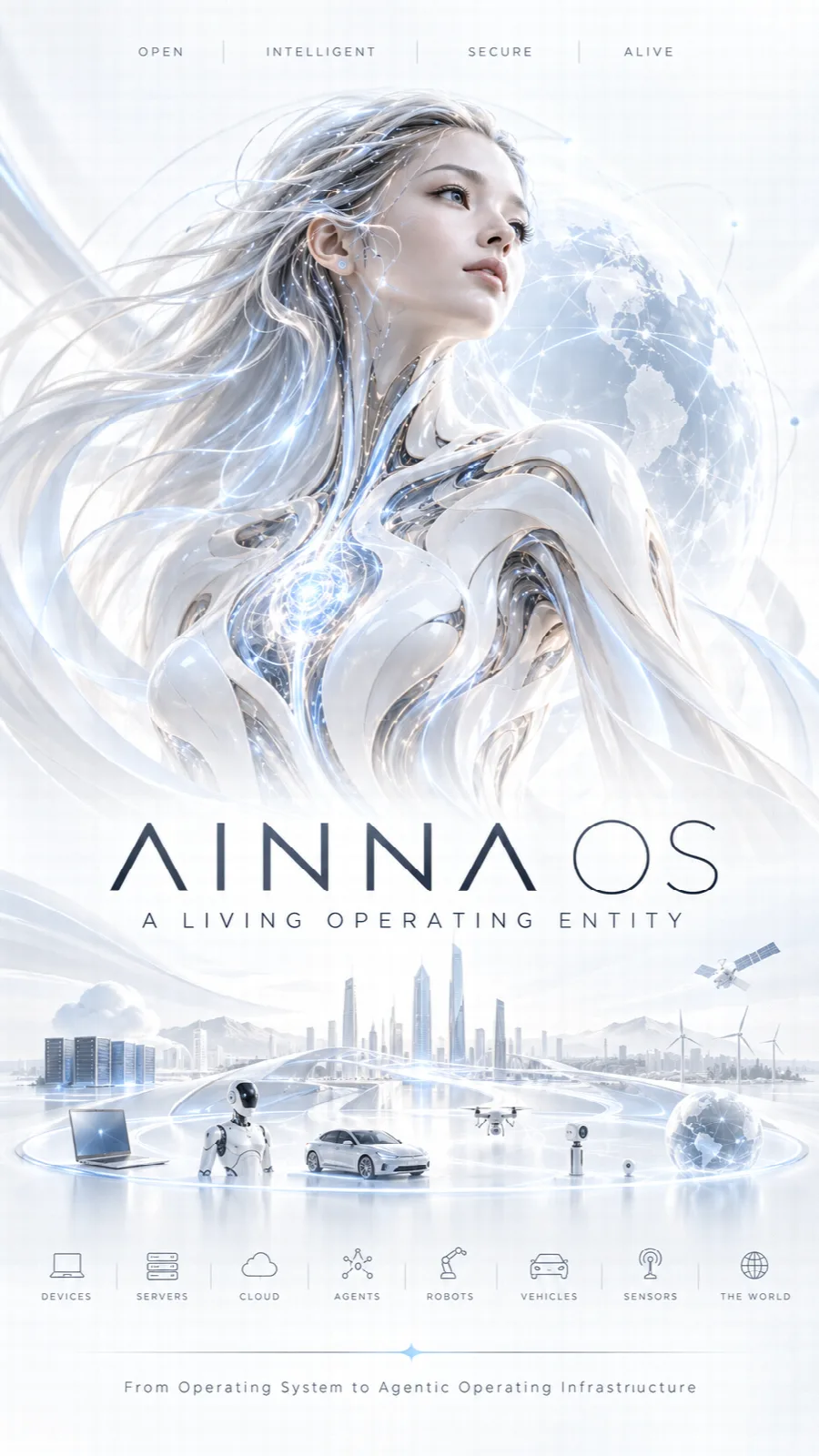
Through *AINNA NeuralOps, we are exploring how billions of devices could cooperate as a Global Distributed Intelligence Infrastructure*.
The future question may not be:
*“How many more data centres do we need?”*
But rather:
*“How efficiently can billions of devices work together?”*
#AINNA #NeuralOps #P2P #DistributedComputing #EdgeAI #AIInfrastructure #ESG #GreenComputing #DecentralizedComputing #ArtificialIntelligence
With around 10 billion smartphones, each averaging 4 TB, total theoretical capacity could reach 40 ZB. If just 20% were securely shared, that could provide approximately 8 ZB of distributed storage-without building equivalent centralized infrastructure.
Future smartphones will also offer powerful CPUs, GPUs, NPUs, RAM, connectivity and local AI models. Their idle capacity could support:
• Distributed storage
• Compute workloads
• AI inference
• Encrypted backups
• Edge services
The architecture could evolve from:
*Device → Data Centre → Device*
to:
*Device ↔ Device ↔ Edge ↔ Data Centre*
Data centres would remain important, but their role could shift toward coordination, high-performance computing and resilience.
This model also offers ESG benefits by improving hardware utilization, processing data closer to its source, reducing unnecessary data transfers and limiting the need for new infrastructure.
However, major challenges remain, including security, identity, device trust, replication, routing, battery protection, thermal management and energy efficiency.
Through *AINNA NeuralOps, we are exploring how billions of devices could cooperate as a Global Distributed Intelligence Infrastructure*.
The future question may not be:
*“How many more data centres do we need?”*
But rather:
*“How efficiently can billions of devices work together?”*
#AINNA #NeuralOps #P2P #DistributedComputing #EdgeAI #AIInfrastructure #ESG #GreenComputing #DecentralizedComputing #ArtificialIntelligence
LikeComment
Official Cross-Network Resource














Ruang pembaca
Apa pendapat anda?
Komen disemak sebelum diterbitkan. Email diperlukan untuk moderasi dan tidak dipaparkan kepada pembaca.
เพิ่งเคยเห็นคนเขียนเรื่อง2039แบบตรงไปตรงมา
I have watched high-performance go wrong in practice. Good to see it written down.
I read this twice. processing data closer is the part that stuck.
By 2039 - that is the whole thing in one line.