
During my time as an IT Manager, building a proper web-based application usually meant coordinating a full team.
A typical project could involve a Project Manager, Business Analyst, UI/UX Designer, Frontend Developer, Backend Developer, Database Engineer, Solution Architect, QA Tester, DevOps Engineer, and Security Engineer.
That experience taught me one important lesson:
A good system is not built by putting everything into one technology. It is built by assigning each task to the right layer.
This is one of the principles behind NeuralOps.
Today, AI agents can handle a large portion of planning, coding, analysis, testing, debugging, documentation and decision support. But I do not believe every task should be sent to an LLM.
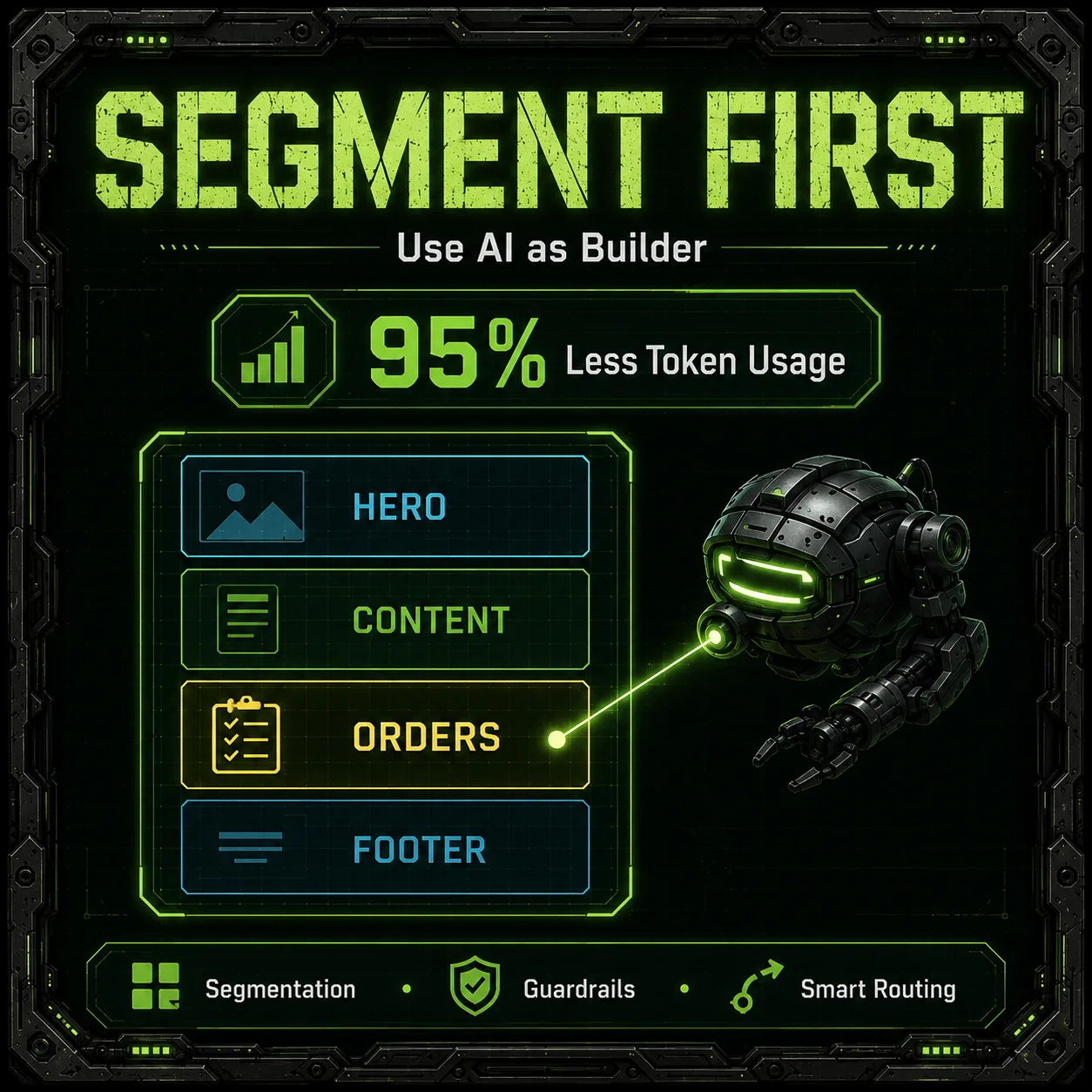
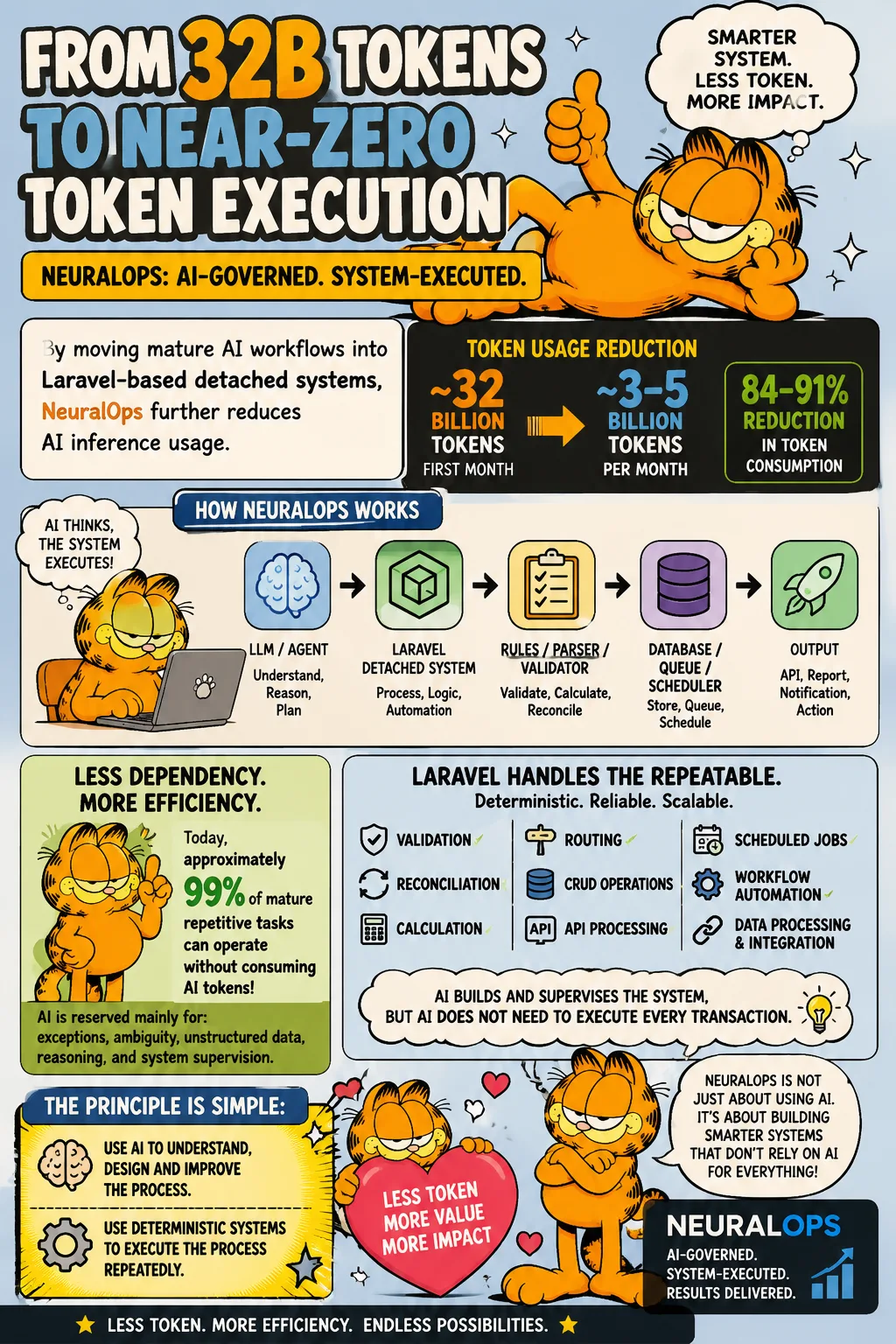
In NeuralOps, repetitive and deterministic workloads are moved into Detached Systems - conventional systems such as PHP services, MySQL, schedulers, parsers, queues, validation engines and automation scripts.
The AI handles the work that requires intelligence.
The detached system handles the work that requires consistency, speed and reliability.
This changes the development model significantly.
Previously:
Large technical team → many specialised functions
Today:
Technical Lead → AI Agents → Detached Systems
A smaller team can now coordinate functions that previously required an entire development department, while keeping infrastructure cost, token usage and operational complexity under control.
For me, this is where AI becomes truly useful for SMEs.
Not by replacing every system with AI, but by combining human experience, AI reasoning and reliable conventional infrastructure into one practical architecture.
That is the direction we are building with AINNA NeuralOps.
#NeuralOps #AINNA #AgenticAI #AIAutomation #SystemDevelopment #SoftwareArchitecture #SME #DigitalTransformation #AIInfrastructure #Automation















Ruang pembaca
Apa pendapat anda?
Komen disemak sebelum diterbitkan. Email diperlukan untuk moderasi dan tidak dipaparkan kepada pembaca.
documentation and decision support tu bahagian yang saya nak hantar pada boss.
This is where technical lead finally clicks.
Honestly web-based caught me off guard.
First piece that handles building a proper web-based application honestly.
Worth reading for conventional systems alone.
I do not fully buy speed and reliability yet, but it is a fair argument.
The bit about documentation and decision support is what I keep coming back to.
Clearer than the vendor decks I get about AI reasoning and reliable conventional.