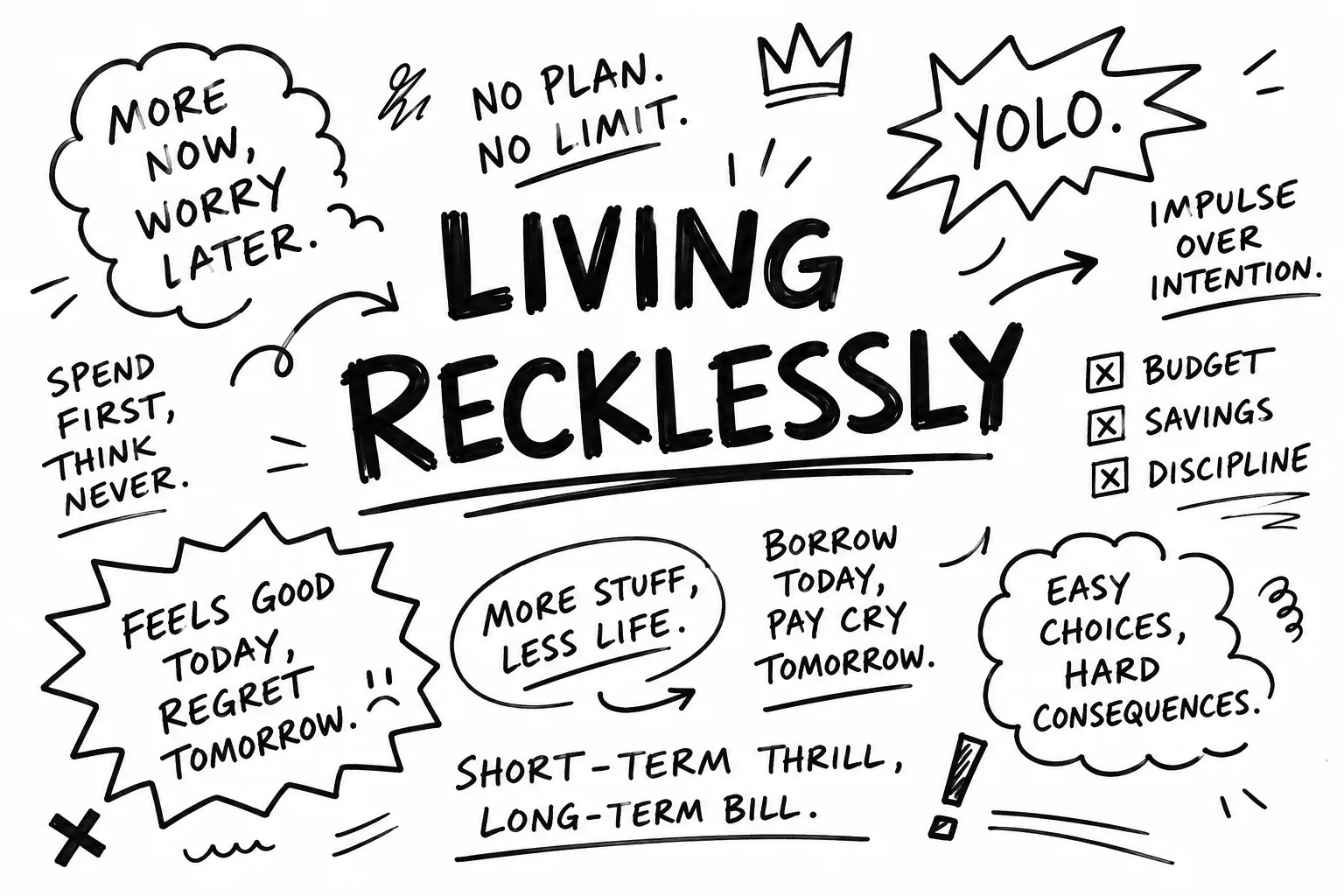
AI today reminds me of the automobile industry. In the 1960s, 70s, 80s and 90s, people rushed to own cars because they represented progress and economic growth. Industries expanded rapidly to support that demand, but so did fuel consumption, congestion and pollution.
Efficiency came later. As Japanese manufacturers became serious about fuel efficiency, reliability, lean manufacturing and practical engineering, the mindset changed from simply producing more cars to producing better and more efficient ones. As the joke goes, “If burning more fuel made a better car, a tank would be the perfect family vehicle.”
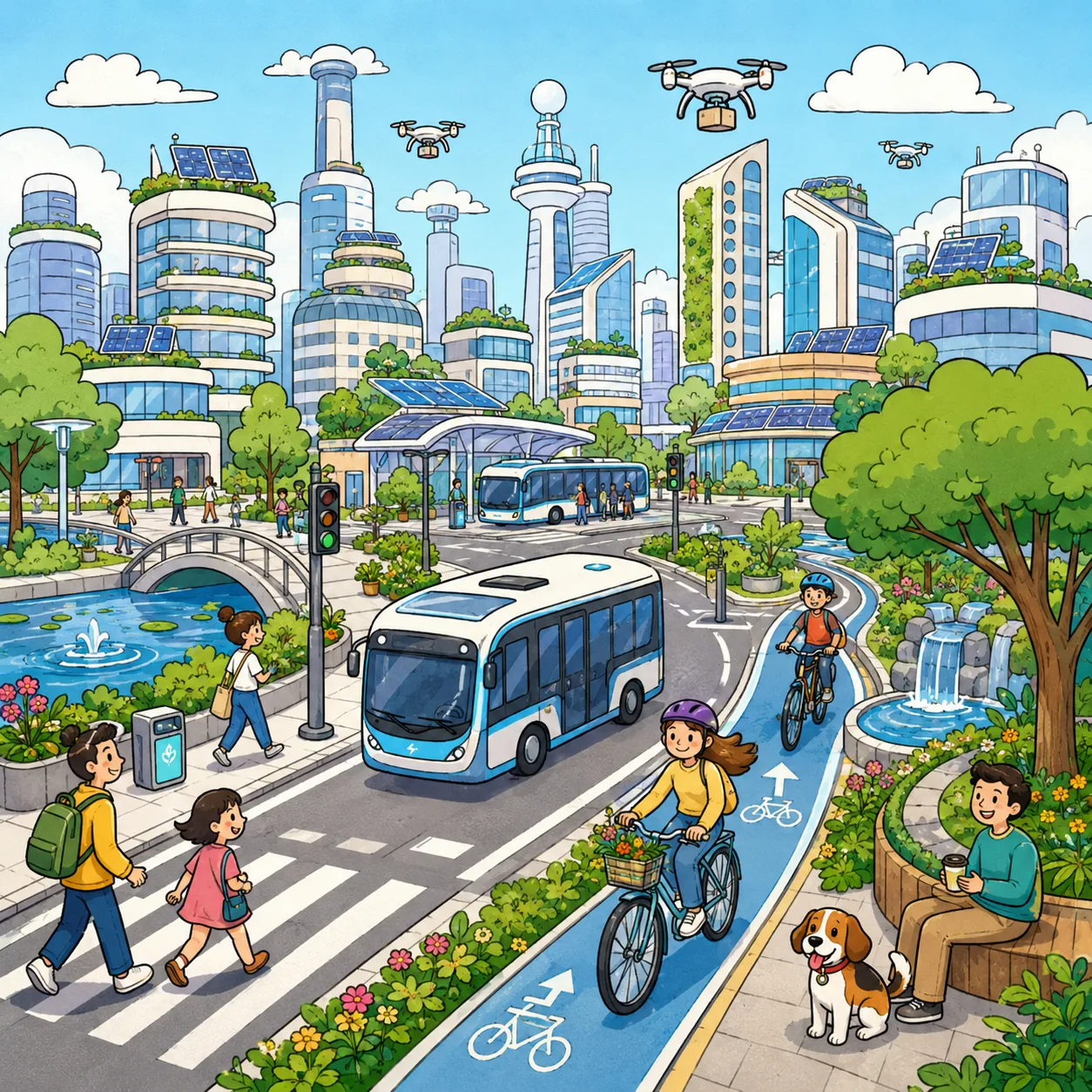
China went through a similar transition. During its earlier stages of industrialisation, growth was aggressive and environmental damage was significant. But from the 2000s onward, manufacturing became more automated and efficient, renewable energy expanded, EVs grew rapidly, and cleaner production became a bigger priority.
China did not stop industrialising; it learned to industrialise differently. Technology continued to advance, but the way it was designed and consumed became more practical and resource-conscious.
AI is now approaching the same crossroads. Today, everyone wants bigger models, more agents, longer context windows, more GPUs and billions of tokens. There is almost an assumption that more AI consumption means a more advanced system. But that is like saying, “My car uses twice as much petrol, so it must be twice as intelligent.”
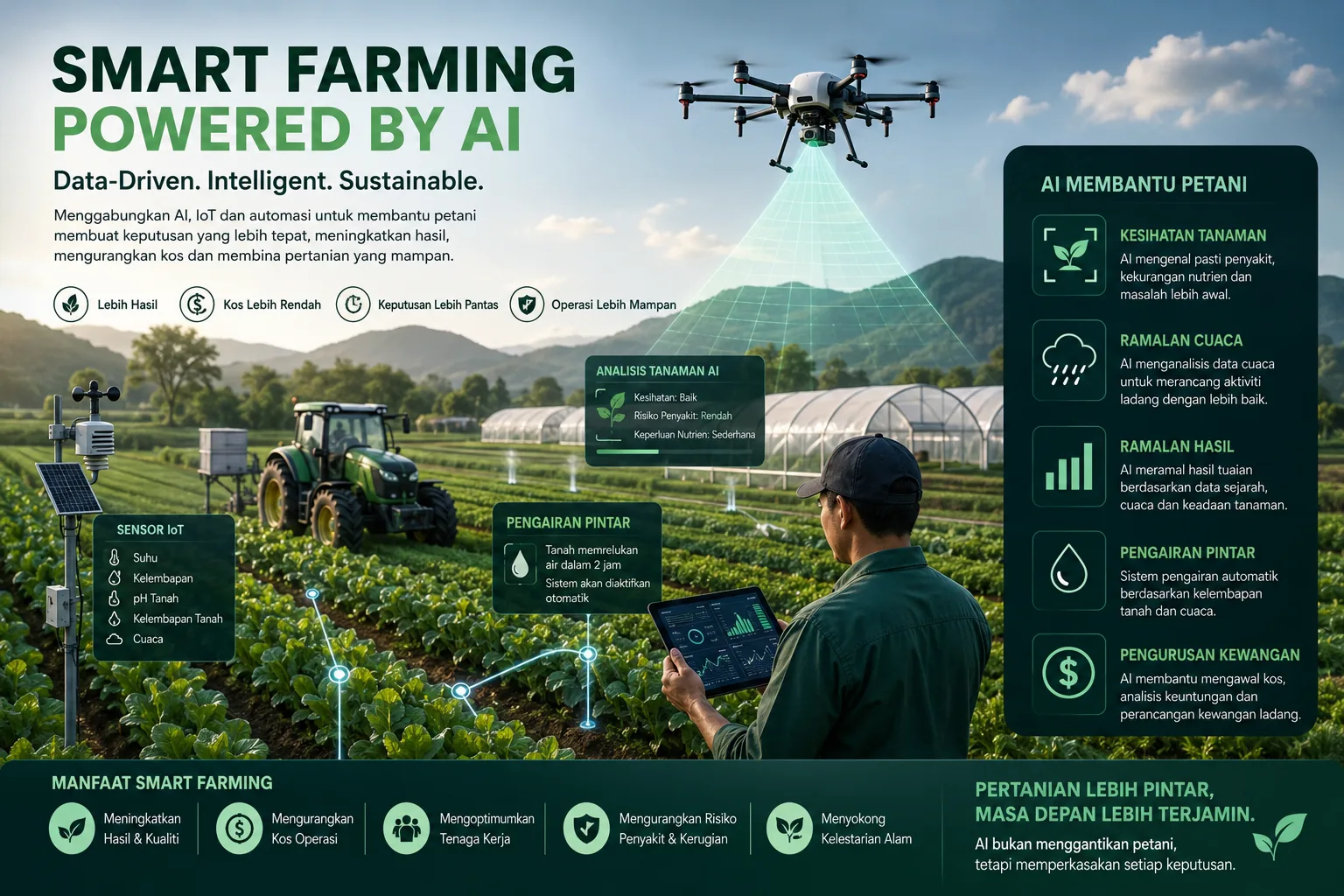
The real question should not be, “How much AI can we use?” It should be, “How little AI do we actually need to solve the problem correctly?” This is why architectures such as Smart Routing, Segmentation and Detached Systems matter.
Smart Routing sends simple tasks to smaller models or conventional software, while advanced models are used only when deeper reasoning is genuinely required. Segmentation breaks large problems into smaller tasks, reducing unnecessary context, token usage and computation. Detached Systems move calculations, validation, filtering, database operations and deterministic rules outside the AI model. AI handles intelligence; software handles certainty.
If designed this way, AI systems can reduce token consumption, inference costs, GPU workloads, infrastructure requirements and energy usage while improving reliability and scalability. This is where AI efficiency and ESG should converge. We already know what happens when technology is adopted first and optimised decades later. The future of AI should not simply be more intelligence, but more efficient intelligence - using advanced AI only when advanced intelligence is genuinely required.
















Ruang pembaca
Apa pendapat anda?
Komen baharu dihantar untuk semakan terlebih dahulu. Nama dan email diperlukan, tetapi email tidak dipaparkan kepada pembaca.
Sent this to two people already. manufacturing became more automated is why.
Read this twice. Technology continued to advance is what stayed with me.
First piece that handles industries expanded rapidly to support honestly.
Clearer than the decks I usually get on in the 1960s, 70.
Still thinking abot teh 1960s, 70s, 80.