
From the finance operations side at AINNA, I regularly work with Malaysian SMEs that are trying to produce a credible P&L, Balance Sheet, and LHDN readiness. Most founders agree the reporting needs to improve.
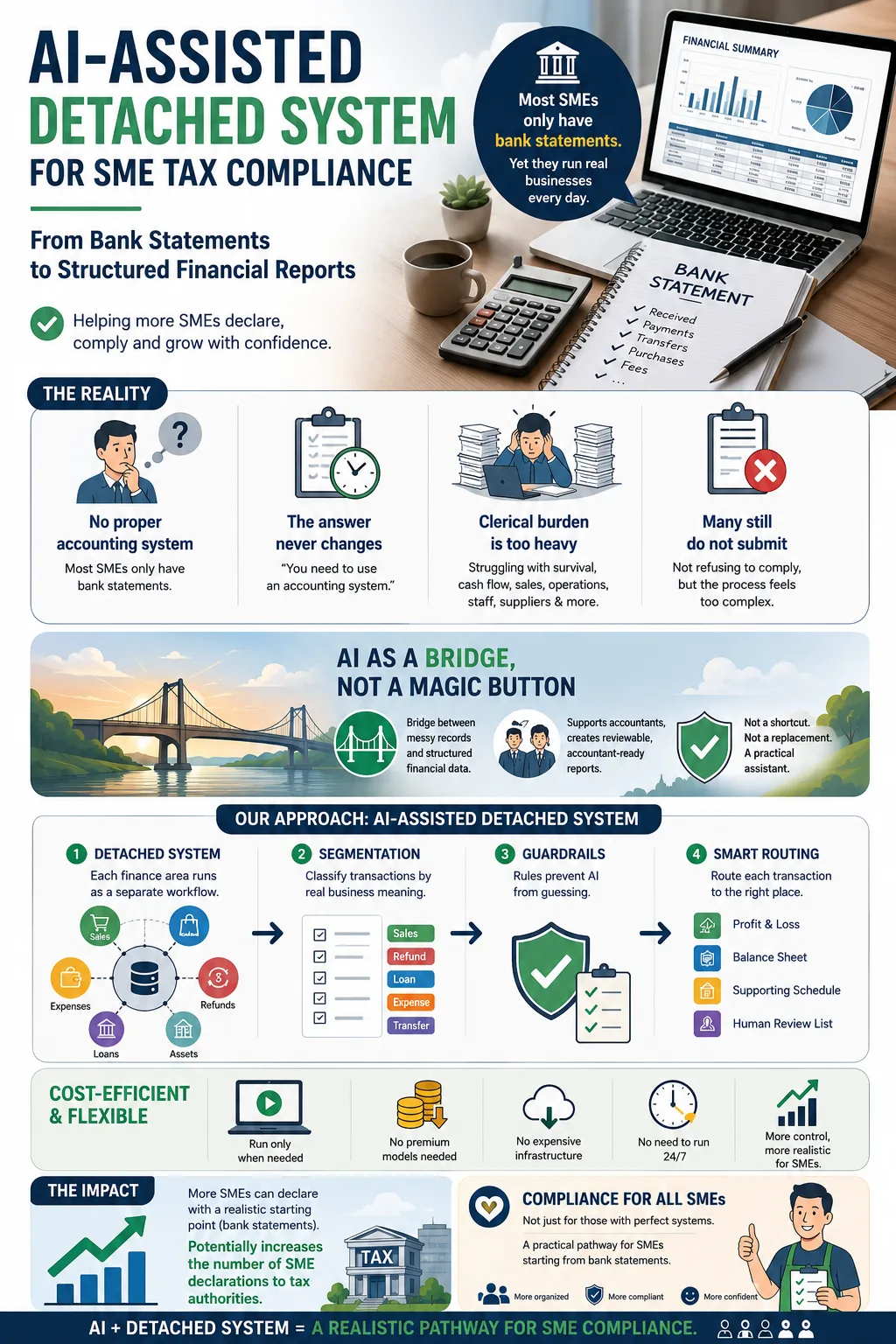
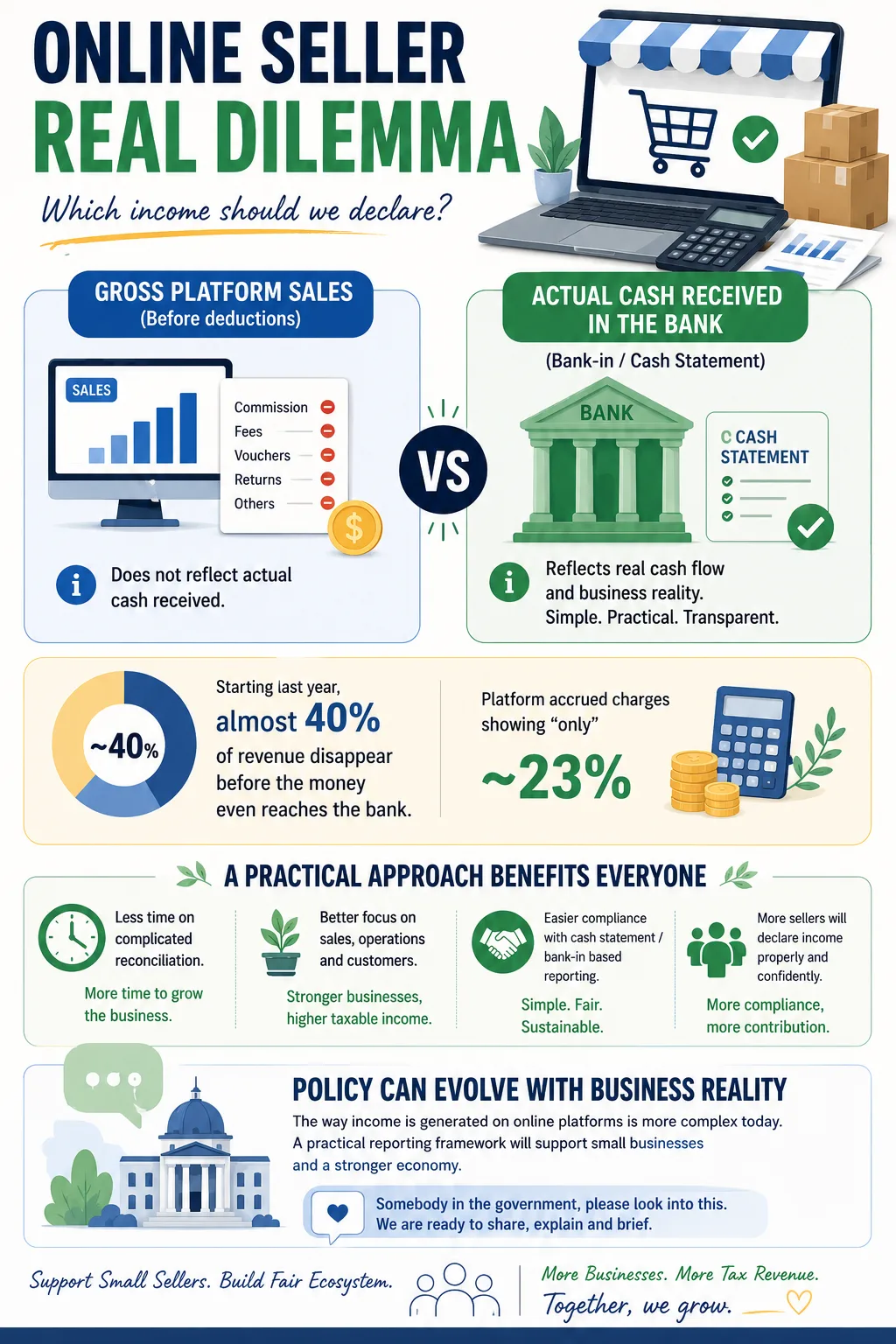
Yet after years of trading, the only financial record many can produce with confidence is still their bank statements.
Debtor ledgers are often partial, creditor balances may not exist, and fixed assets plus inventory are rarely reconciled to a reliable register.
Accrual accounting remains the correct end-state. For SMEs rebuilding from scratch, however, cash records can be the most practical starting point.
A founder recently told me that during an LHDN audit he was not penalised simply because his records were not yet fully accrual-based. The adjustments came from expenses that had been misclassified or given the wrong tax treatment.
That distinction is worth underlining. Incomplete financial records are not the same as hiding income or avoiding tax.
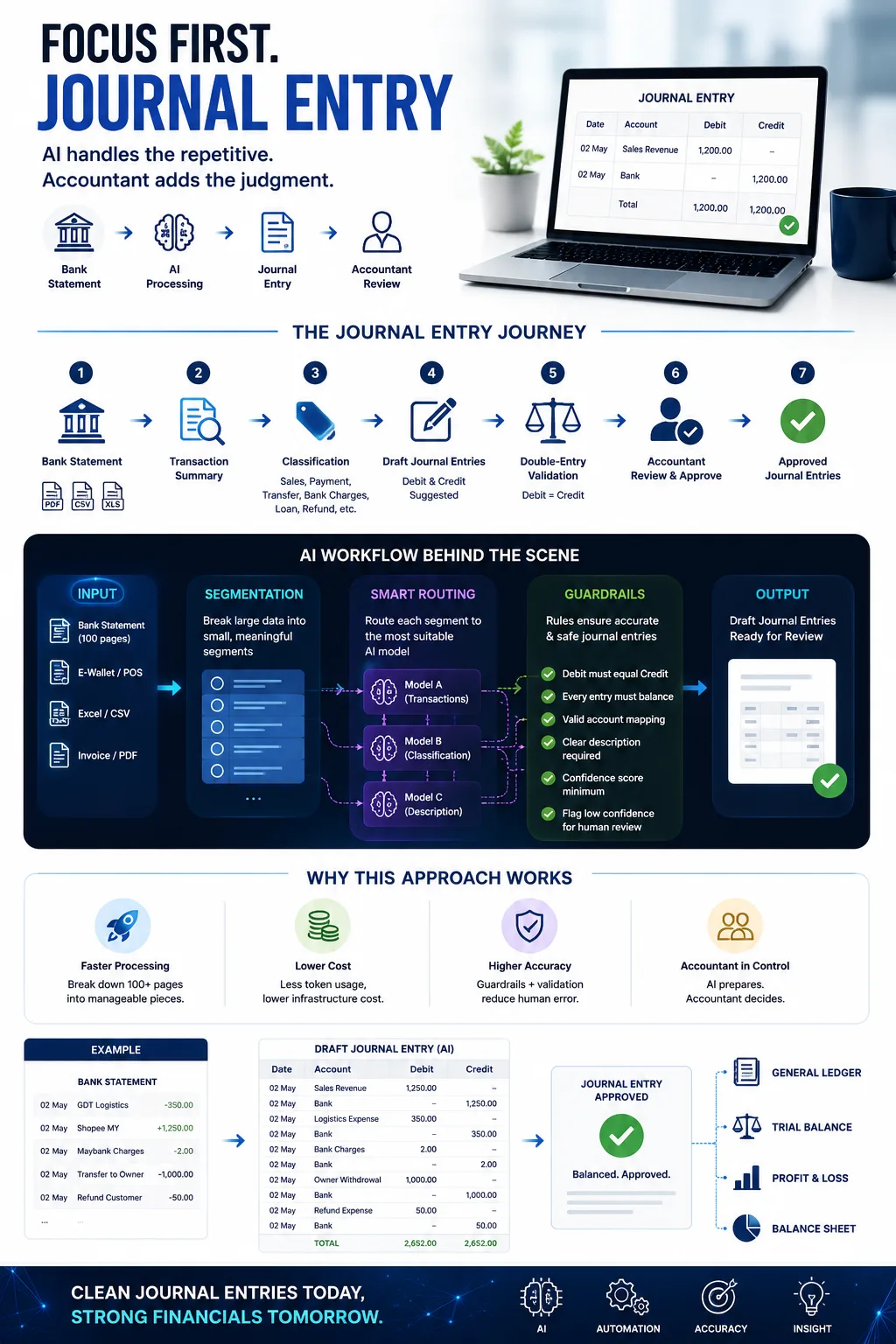
The route I usually propose is: Bank Statement → Clean Cash Ledger → Cash-Based P&L → Accrual Adjustments → P&L + Balance Sheet. Done systematically, this rebuilds the accounting trail from the most trustworthy evidence upward. At AINNA, we use NeuralOps to accelerate each step with AI-led automation, so the SME gets usable management accounts and compliance-ready reports, not just a backlog of unreconciled transactions.
My operating principle: Cash First. Accrual as the Destination. Compliance Throughout. Finance transformation should let SMEs begin with the data they already hold and progress methodically toward full accrual reporting. #SME #Accounting #LHDN #AI #Automation #FinancialStatements #MalaysiaSME #NeuralOps












Ruang pembaca
Apa pendapat anda?
Komen disemak sebelum diterbitkan. Email diperlukan untuk moderasi dan tidak dipaparkan kepada pembaca.
พูดตรง ๆ คำอธิบายนี้ ก็น่าสนใจ
ยังคิดเรื่องบทความนี้อยู่
Useful. We are dealing with yet after years of trading right now.
Accrual accounting remains the correct is the part I would forward to my boss.