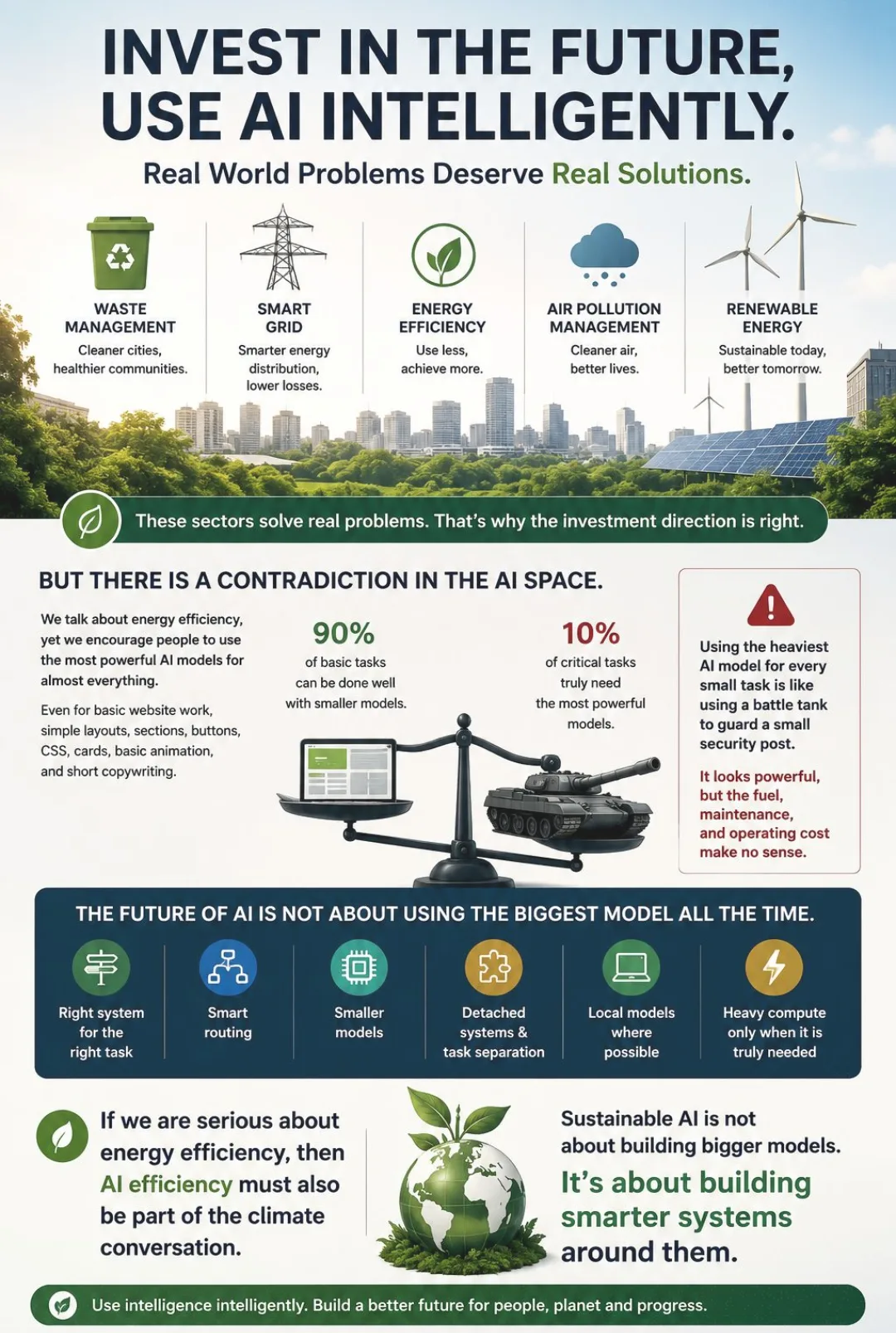
Waste management, smart grid modernisation, energy efficiency, air pollution control, and renewable energy are not just policy priorities; they are major capital allocation decisions. These sectors affect fixed asset planning, compliance costs, public health expenditure, resource utilisation, and long-term financial resilience. For Malaysian SMEs, the same discipline must apply when investing in AI.
There is one contradiction in AI procurement that finance teams should question. Many organisations are now defaulting to the most powerful AI models for routine tasks. Basic website updates, simple layouts, component styling, product descriptions, and standard automations do not always justify premium compute costs.
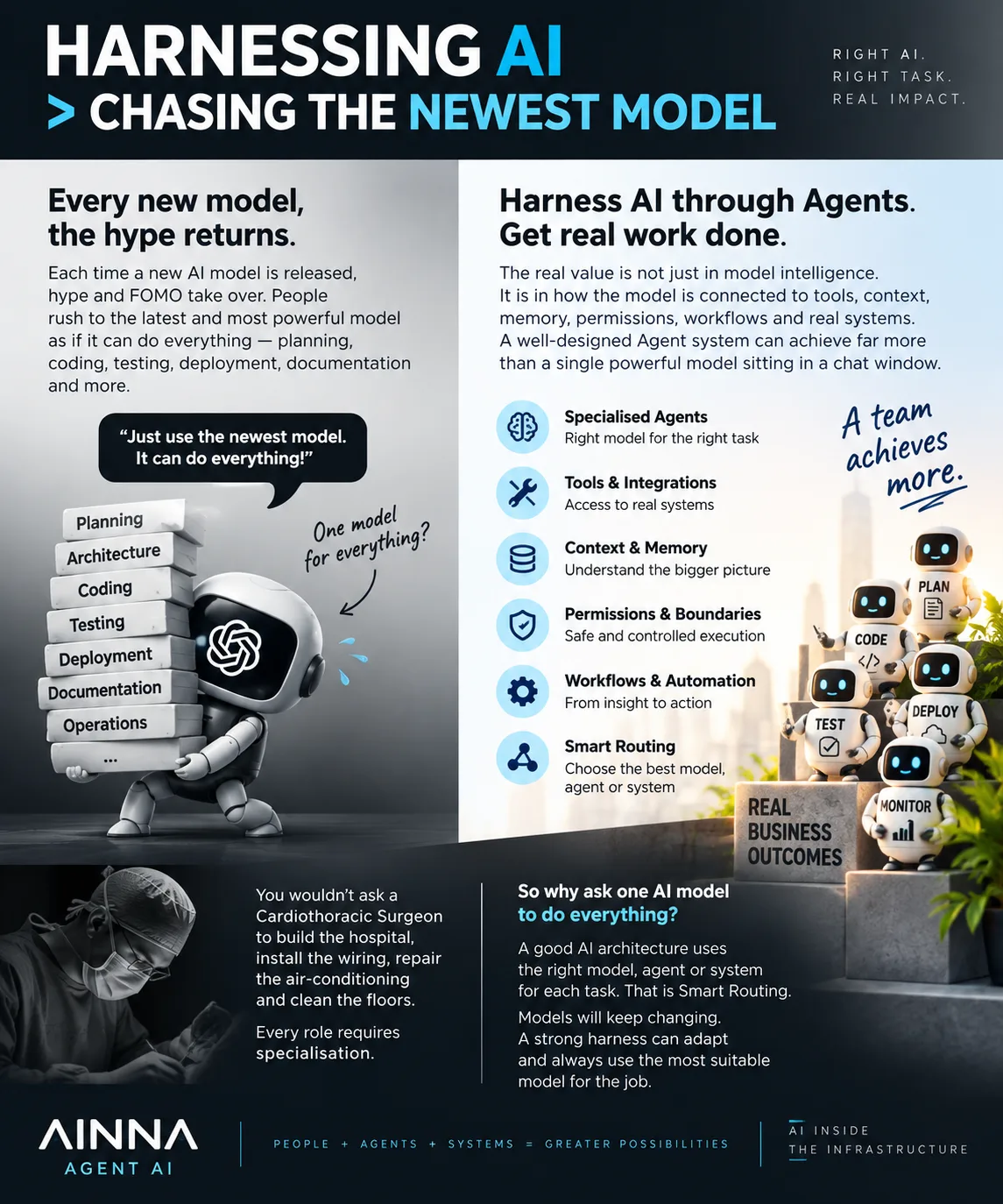
From an accounting standpoint, a large portion of day-to-day digital work can be handled effectively by smaller coder models or standard LLMs. Premium models should be treated as a deliberate capital expense, not a default subscription. They are justified when the work involves complex system logic, financial calculations, security flows, database architecture, regulatory compliance, or operational decisions that directly affect revenue, risk, or audit outcomes. That is where the return on heavier compute becomes measurable.
Deploying the most powerful model for every small task is the technology equivalent of using a battle tank to guard a small security post. The capability is excessive, and the fuel, depreciation, maintenance, and operating costs will erode value rather than protect it.
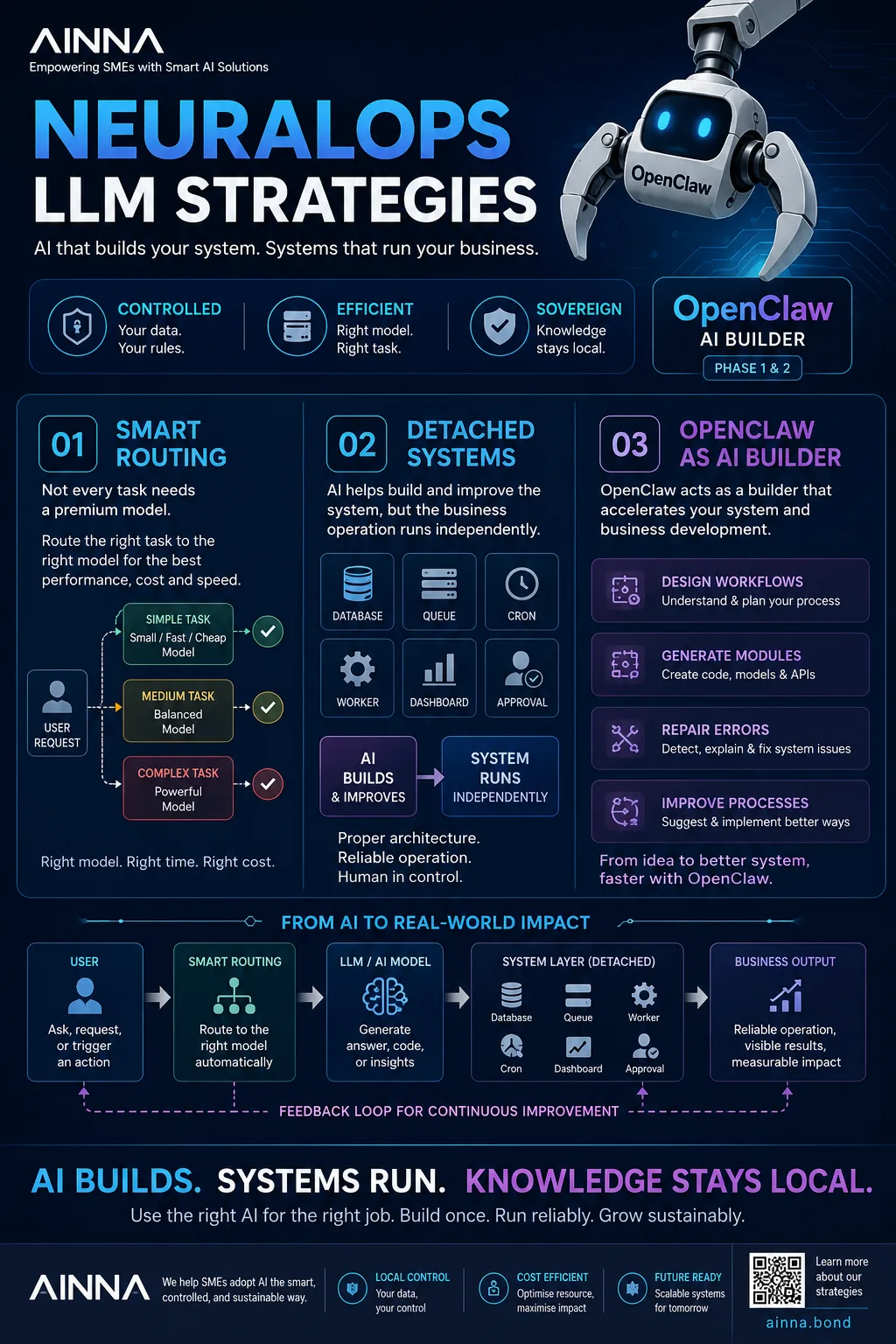
This is why AI efficiency belongs in the finance and sustainability conversation. The future of AI spending should not be about subscribing to the biggest model available. It should be about matching the right model to the right task through smart routing, smaller task-specific models, detached systems, workload separation, local deployment where viable, and heavy compute only when it is materially justified.
This is not a rejection of powerful AI. It is a call for disciplined capital allocation. At AINNA, we treat AI efficiency as a financial control, not a technical preference. If Malaysian SMEs are serious about energy efficiency and operational cost control, then AI spend must be held to the same standard as any other asset decision. Sustainable AI is not measured by model size; it is measured by the business value created for every ringgit spent.














Ruang pembaca
Apa pendapat anda?
Komen disemak sebelum diterbitkan. Email diperlukan untuk moderasi dan tidak dipaparkan kepada pembaca.
ยังคิดเรื่องบทความนี้อยู่
The bit about long-term is what I keep coming back to.
The direction on long-term is exactly right.
Useful. We are dealing with long-term right now.
The case for long-term is well made.
The framing around long-term is better than I expected.