


耳鼻喉科 · 6 min read
Published
Editorial note: This article was prepared for this website from the sources listed below. Unless a named clinical reviewer is shown, it has not been attributed to or clinically reviewed by an individual KPMC clinician.
Changes can be gradual or sudden
Hearing loss may make speech seem unclear, increase the volume needed for television, or make conversations in noisy places difficult. Earwax, infection, noise exposure, medicines and inner-ear conditions are among many possible causes; a hearing test and clinical assessment help distinguish them.
Protect hearing without delaying care
Reduce exposure to loud sound and use correctly fitted hearing protection where needed. Do not place cotton buds, oils or tools into the ear canal unless a qualified professional has advised a specific treatment. Tell the clinician about tinnitus, dizziness, ear pain, discharge, noise exposure and all medicines.
What assessment may involve
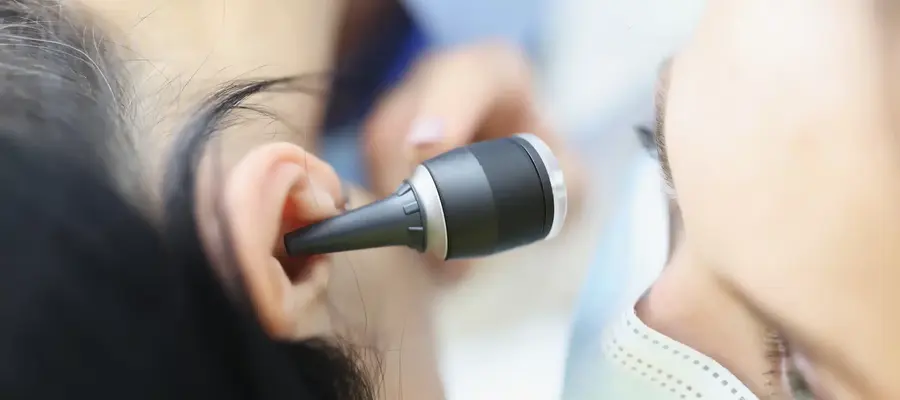
An assessment may include looking in the ears and age-appropriate hearing tests. Results are interpreted alongside symptoms and communication needs. Management depends on the cause and may include treating a reversible problem, communication strategies or hearing support.
At a glance
Key takeaways
- Gradual hearing difficulty deserves assessment rather than simple acceptance.
- Avoid inserting objects into the ear canal.
- Sudden hearing loss needs urgent same-day medical attention.
When to seek care
- Seek urgent same-day care for hearing that suddenly decreases in one or both ears, particularly with tinnitus or dizziness.
- Get prompt help for hearing loss with severe ear pain, discharge, facial weakness, head injury or neurological symptoms.
General information only. This article does not replace medical advice, diagnosis or treatment. If symptoms are severe or rapidly worsening, seek urgent medical care. In Malaysia, call 999 for an emergency or go to the nearest emergency department.
Source notes
Article sources
KPMC services related to this topic
Find information about the relevant KPMC service. A healthcare professional can advise whether the service is suitable for your needs.
关于本院 KPMC 耳鼻喉科 申请预约