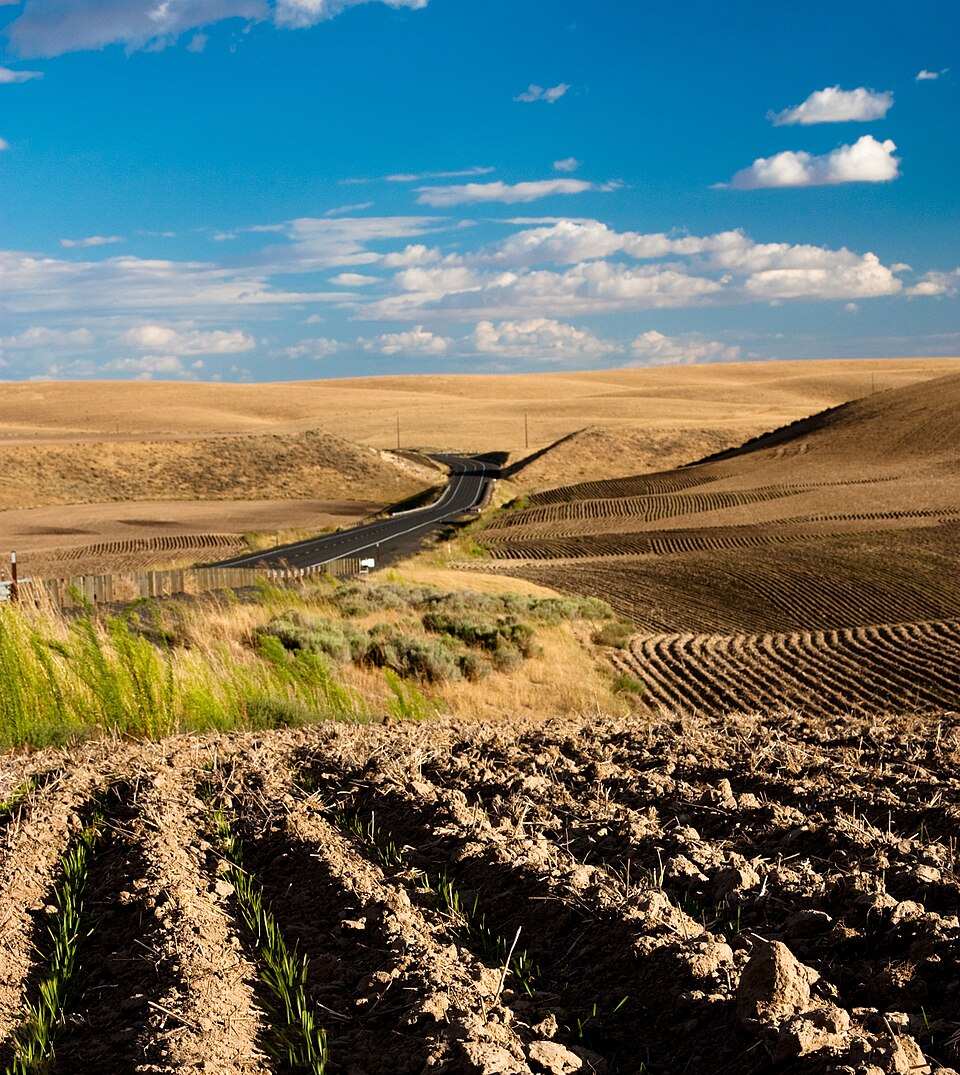
Field condition. This detached NeuralOps scenario enables agriculture teams to automate crop health observation agent while keeping all data and LLM inference on your own infrastructure.
When organizations implement crop health observation agent manually, they face inconsistent formatting, delayed turnaround, and knowledge trapped in individual spreadsheets. The NeuralOps detached approach codifies your best practices into a repeatable agent that runs on schedule or on demand. For agriculture teams, this means faster cycles, fewer errors, and clearer accountability. Scenario #30 is designed to integrate with existing tools rather than replace them your ERP, marketplace, SCADA, or campus systems remain the system of record while the detached agent adds an intelligence layer that interprets, summarizes, and recommends.
The Problem
Teams running crop health observation agent workflows often rely on manual spreadsheets, ad-hoc scripts, or disconnected SaaS tools. Data arrives from multiple sources, formats change without notice, and staff spend hours on repetitive tasks instead of decisions. In agriculture operations, the core challenge is: field condition - without a consistent pipeline that keeps sensitive data on-premises.
Without a detached pipeline, staff duplicate effort across tools, lose version history, and struggle to explain how AI-assisted conclusions were reached. Regulators and internal auditors increasingly expect traceable workflows especially in agriculture contexts where errors have financial or operational consequences.
Detached System Role
The NeuralOps Detached System hosts the Crop Health Observation Agent workflow on your infrastructure. It ingests operational data through secure connectors, normalizes records, applies business rules, and prepares structured context for the LLM. Scheduling, retries, audit logs, and output routing run locally - no third-party cloud dependency for your agriculture datasets.
The detached agent operates as a dedicated microservice or container on your LAN. It maintains encrypted credential stores, rate-limits upstream API calls, and buffers data during upstream outages. Operators can pause, replay, or roll back job runs without affecting other scenarios running on the same NeuralOps host.
On-Premise LLM Role
The on-premise LLM server interprets prepared context for crop health observation agent tasks: summarizing patterns, drafting narratives, classifying entries, and proposing next actions. It does not replace your ERP or control systems - it augments them with natural-language intelligence while keeping inference inside your network boundary.
Prompt engineering for this scenario emphasizes factual grounding: the LLM receives only verified fields from the ingestion layer and is instructed to cite source record IDs in its output. Temperature and sampling parameters are tuned for consistency over creativity, which is critical for crop health observation agent deliverables.
Data Sources
The following input types are commonly connected to scenario #30:
- Sensor telemetry (MQTT/HTTP)
- Weather API feeds
- Field observation notes
- Irrigation controller logs
Connectors support file drops, SFTP, REST webhooks, ODBC read-only queries, and MQTT subscriptions where applicable. All connections are configured per-environment with separate credentials for development, staging, and production.
Task Segmentation
This scenario separates work into local ingestion and validation, parser or rule processing where required, private LLM assistance, human review, and approved output delivery. The workflow steps below show how those boundaries apply to this use case.
Workflow Steps
- Connect agriculture data sources to the detached ingestion layer (scenario #030).
- Normalize and validate incoming records; apply crop health observation agent-specific field mappings.
- Package context windows and attach metadata for the on-premise LLM server.
- LLM generates analysis, classifications, or draft outputs for crop health observation agent.
- Route results to review queue, dashboards, or export formats configured by your team.
- Archive inputs, prompts, and outputs for audit and continuous improvement.
The workflow begins when scheduled jobs or event triggers pull the latest agriculture datasets. Validation rules flag missing fields, outliers, and schema drift before any LLM call is made. Approved records are chunked into context windows optimized for your model's token limits. The LLM response is parsed into structured JSON or markdown sections, then held in a review queue. Authorized users approve, edit, or reject each output. Approved artifacts are written to configured destinations email digests, shared drives, ticketing systems, or MES interfaces.
Outputs & Deliverables
Approved runs of crop health observation agent typically produce:
- Irrigation advisories
- Sensor health dashboards
- Harvest readiness scores
- Worker task checklists
Outputs can be delivered as PDF summaries, CSV attachments, JSON payloads to internal APIs, or dashboard tiles in your existing BI tool. Format templates are customizable without modifying core agent logic.
Benefits
- Reduce manual effort for crop health observation agent with automated ingestion and LLM-assisted analysis.
- Keep agriculture data on-premise no external API uploads required.
- Standardize outputs with review queues and export templates your team controls.
- Scale from pilot to production with logged prompts, retries, and audit trails.
- Combine with adjacent scenarios in the same category for end-to-end coverage.
Safety & Compliance
Human review is required before any agriculture-related output affects customers, regulators, or safety-critical equipment. The detached agent logs provenance for every LLM suggestion. Configure role-based access, disable auto-posting to external platforms, and validate financial or compliance outputs with qualified staff.
For regulated environments, enable dual-control approval so that no LLM-generated content reaches external parties without a second sign-off. Retain logs according to your data retention policy; the detached system supports export to SIEM and archival storage.
Who Should Use This Scenario
Farm managers, agronomists, and IoT-enabled greenhouse operators.
Get Started
Contact your NeuralOps administrator to enable scenario #30 on your detached host. Start with a read-only data connection and a sandbox LLM endpoint before promoting to production review workflows.
Back to 259 Scenario Library Live Demo More Agriculture Scenarios LLM Server Contact AINNA