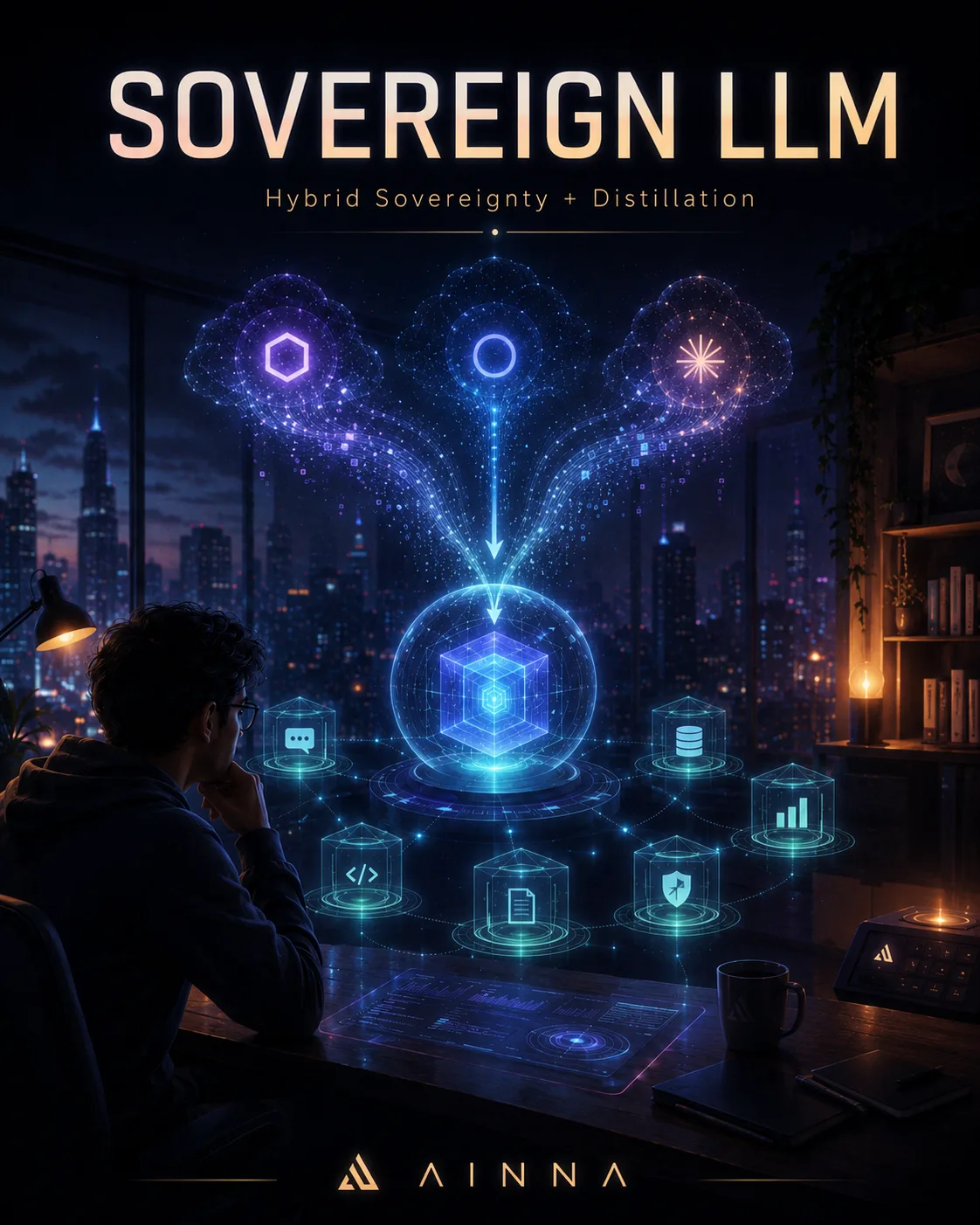
The discussion around sovereign LLM is becoming more important as more businesses depend on AI agents, automation, and large language models in daily operations. Ideally, we should reduce full dependency on foreign LLMs because data control, long-term cost, security, governance, and digital sovereignty are no longer small issues.
But we also need to be realistic. For SMEs and companies that are still early in AI development, jumping straight into a 100% sovereign LLM is not easy. Building our own capability requires clean datasets, technical talent, infrastructure, evaluation systems, security layers, fine-tuning pipelines, governance, and serious experimentation cost.
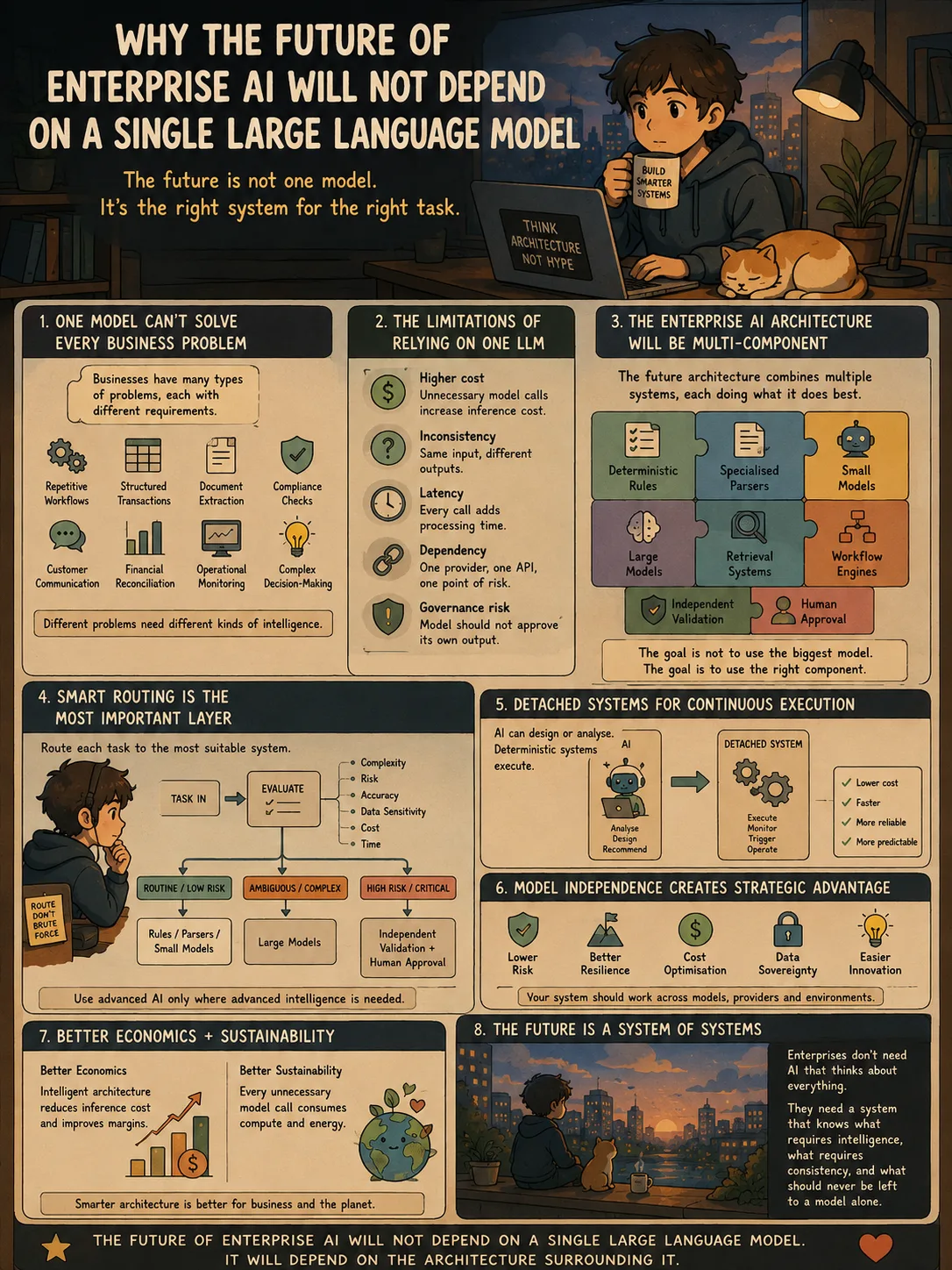
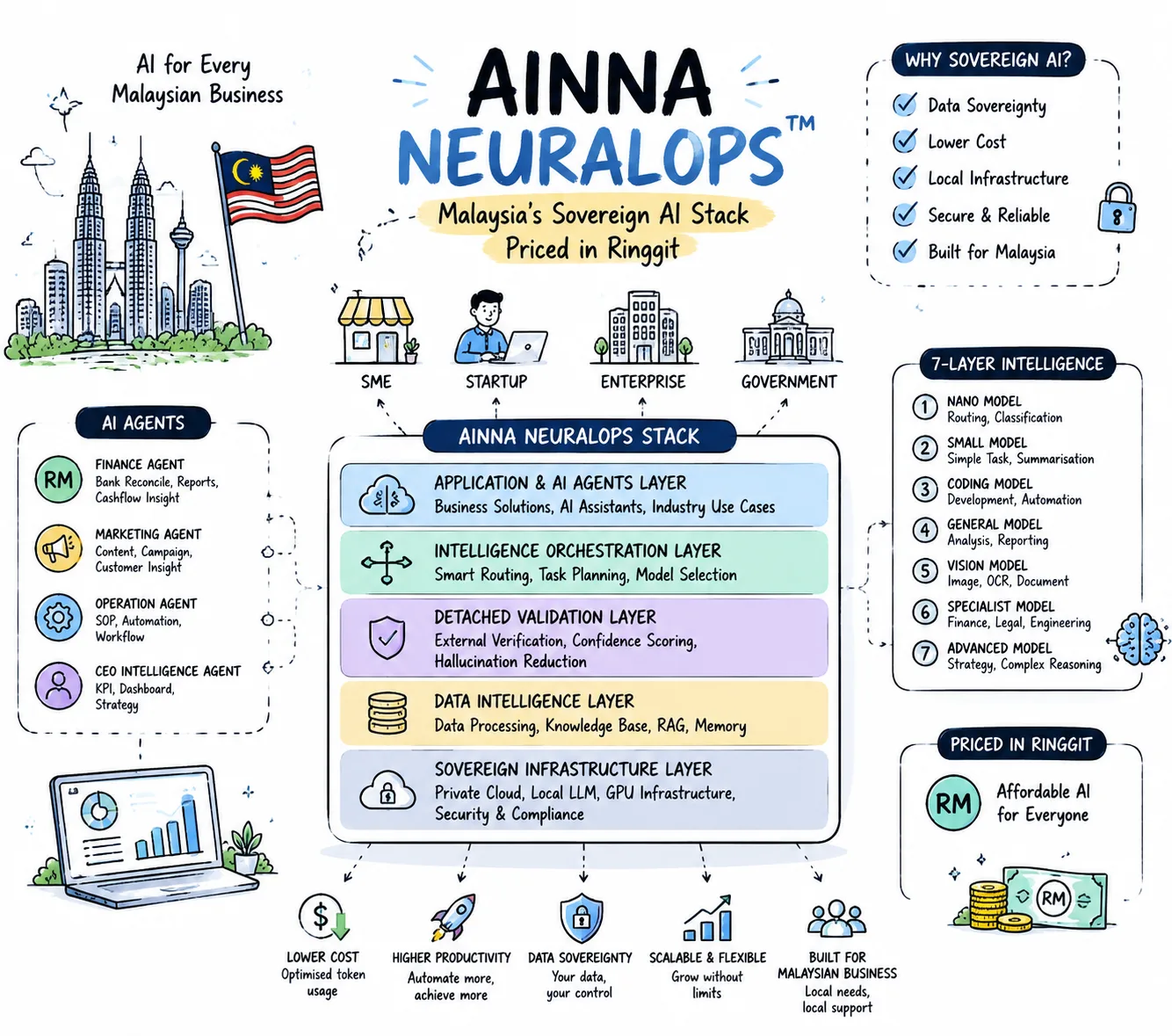
At Ainna, we use both practical approaches: hybrid sovereignty and distillation. We use external LLMs where they truly add value, such as learning, building agents, testing workflows, benchmarking outputs, generating structured examples, creating parsers, and accelerating system development.
The recent global debate around model distillation, including China AI labs, DeepSeek, and Claude Fable 5 restrictions, shows one clear thing: distillation is no longer just a technical method. It is now part of the bigger conversation about AI ownership, access, security, competition, and digital sovereignty. That is why distillation must be done with proper governance, not blindly and not as dependency forever.
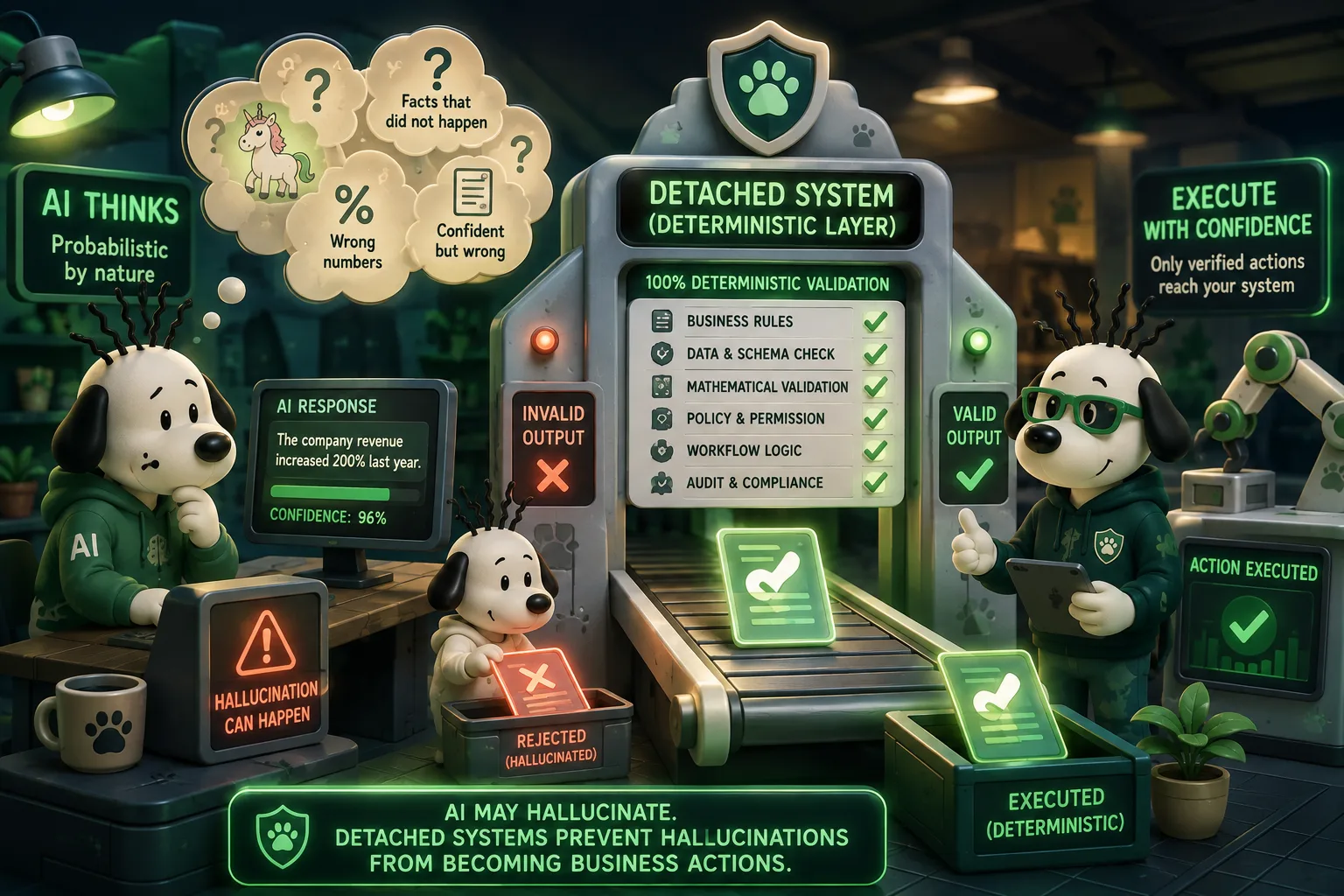
The key idea is simple: use external AI to speed up learning, but build internal capability to reduce long-term dependency. At Ainna, sensitive data, routine processes, fixed parsing, calculations, audit trails, and high-accuracy operations are kept closer to our own system design. The real problem is not using foreign LLMs. The real problem is using foreign LLMs without an exit strategy. Our goal is not just to become AI users, but builders of our own AI systems.
#SovereignAI #LLM #AIAgents #Distillation #DigitalSovereignty #ResponsibleAI #AIInfrastructure #DeepSeek #ClaudeFable5 #HybridAI #SMEInnovation #Ainna