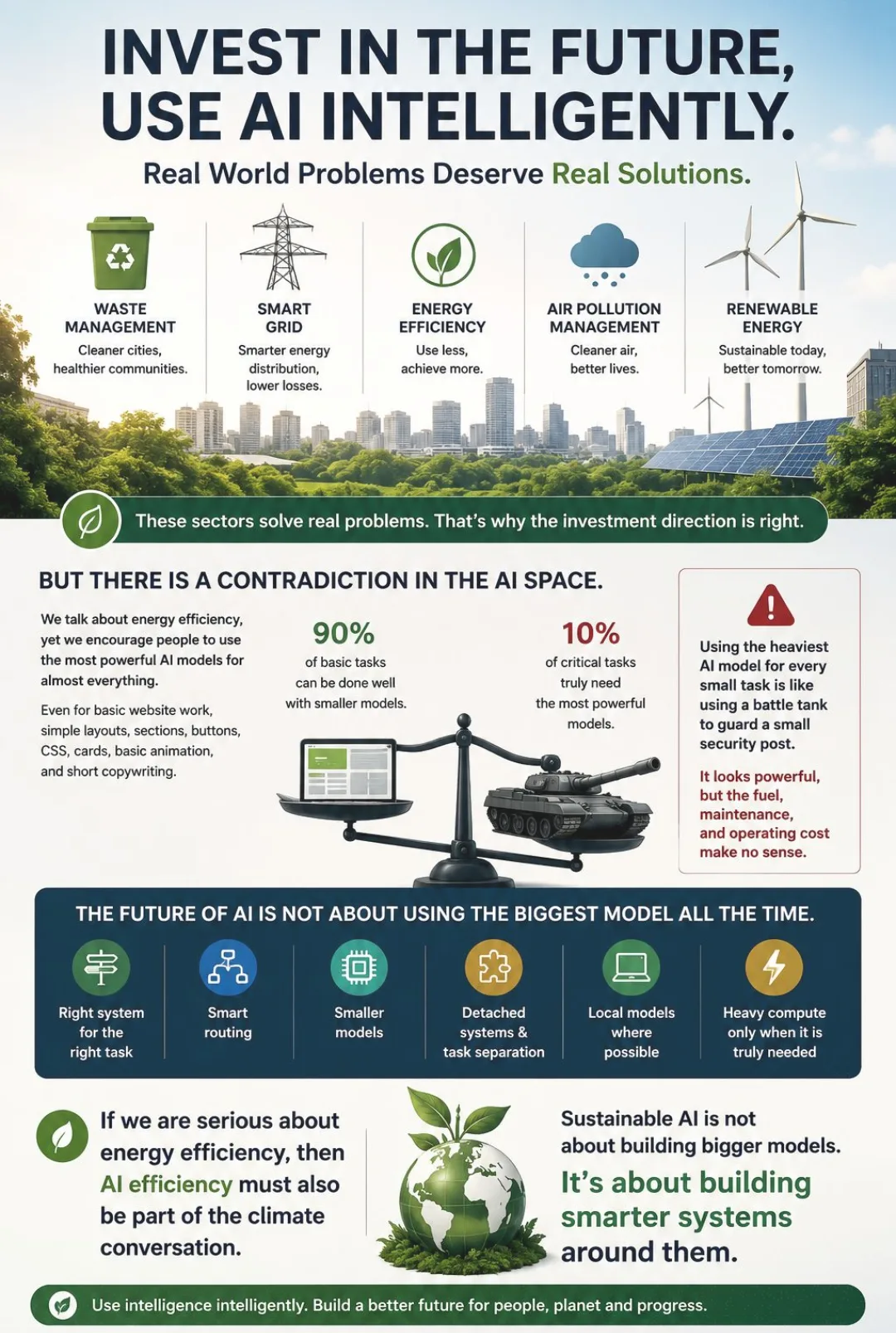
Waste management, smart grid, energy efficiency, air pollution management, and renewable energy are all important investment areas. These sectors solve real problems involving infrastructure, public health, resource efficiency, climate pressure, and long-term economic resilience.
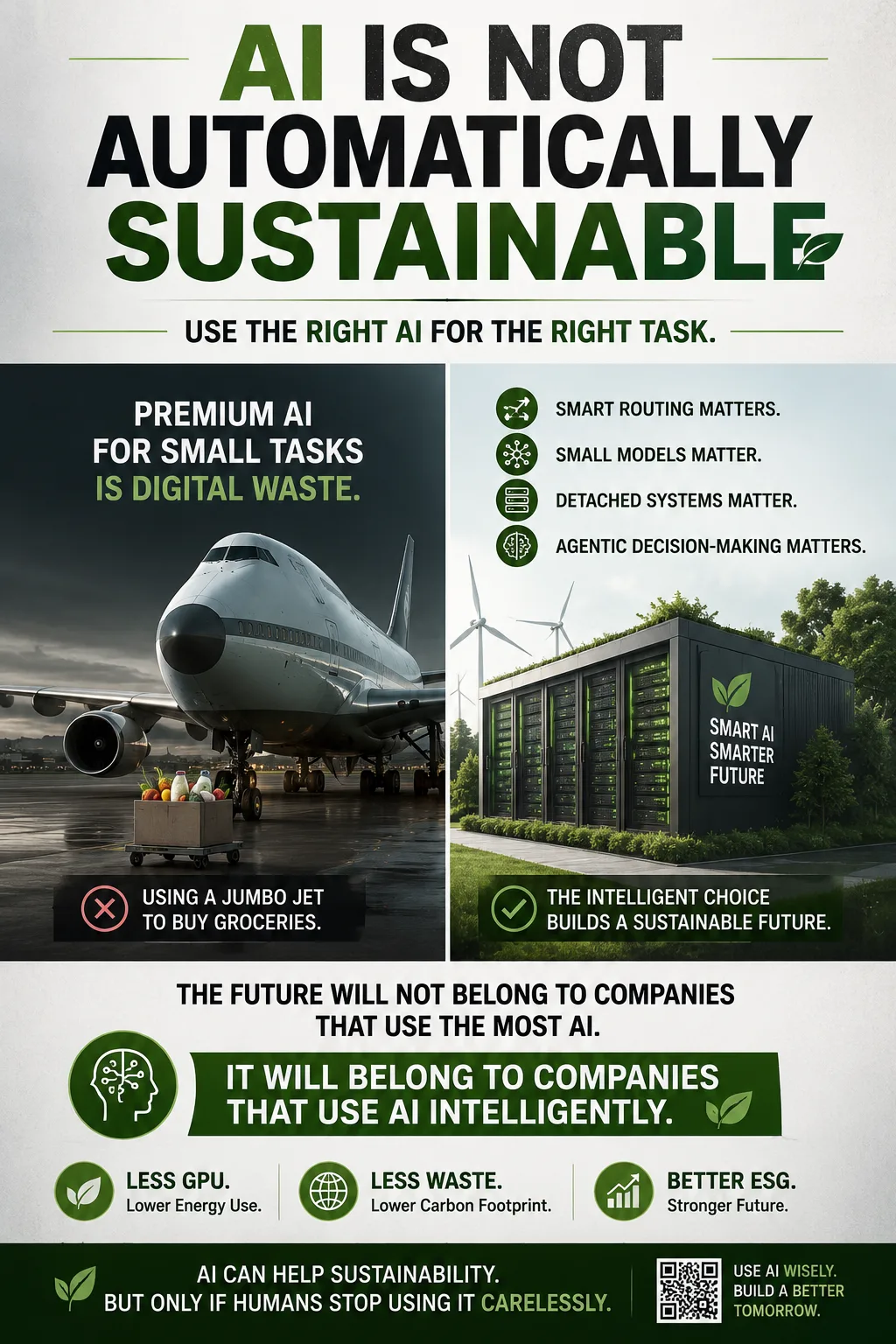
But while we invest heavily in energy efficiency, there is one contradiction in the AI space that deserves more attention. Many people are now being encouraged to use the most powerful AI models for almost everything, even when the task is not critical. Basic website work, simple layouts, sections, buttons, CSS, product blocks, short copywriting, and basic automation do not always need the heaviest model available.
In reality, a large part of normal digital work can already be handled well by smaller coder models or standard LLMs. Premium models should be used with purpose, not by default. They make sense when the task involves complex system logic, financial calculation, security flow, database architecture, compliance, or decisions that can directly affect real business operations. That is where stronger reasoning and heavier compute are justified.
Using the most powerful model for every small task is like using a battle tank to guard a small security post. It looks powerful, but the fuel, maintenance, and operating cost do not make sense.
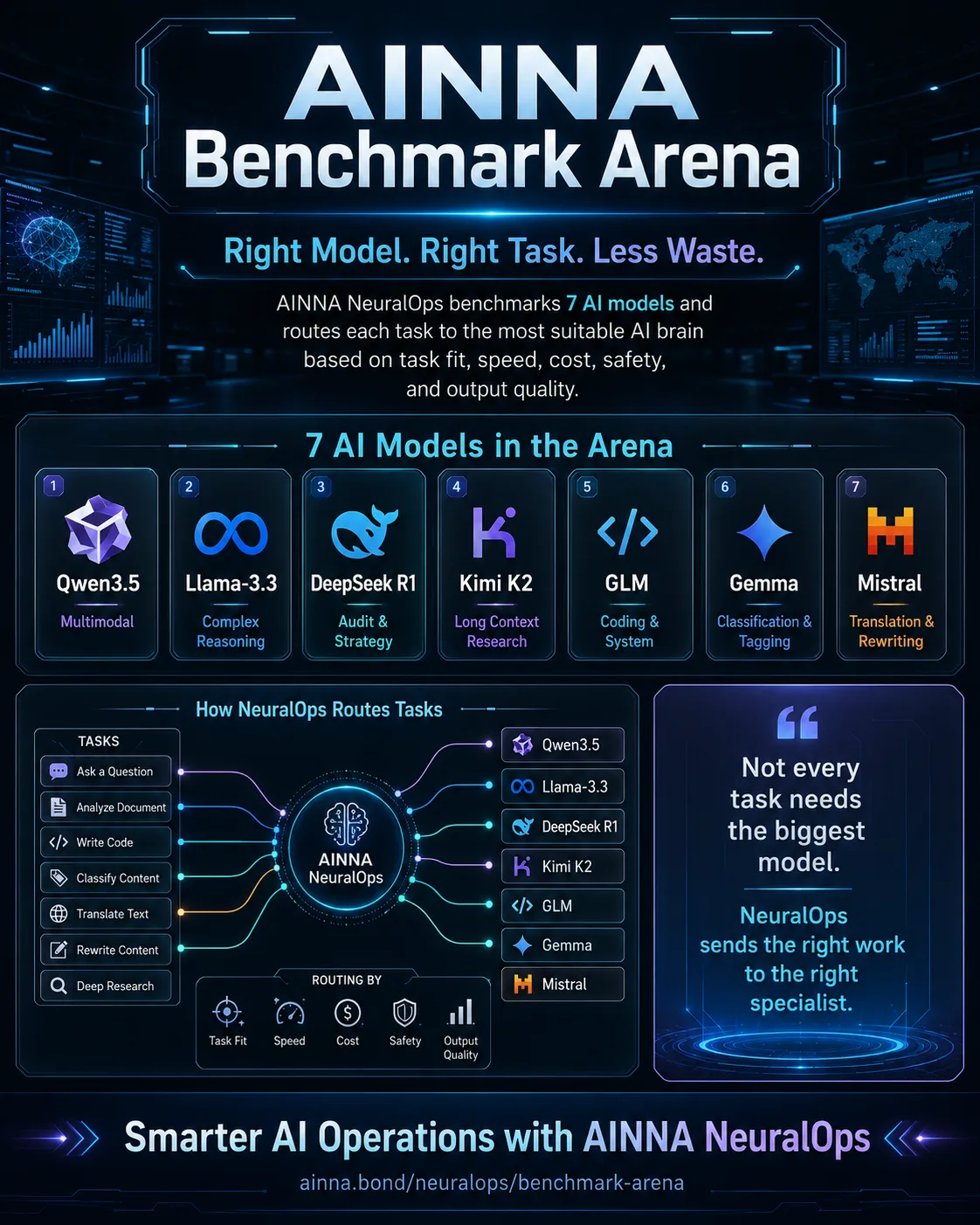
This is why AI efficiency must become part of the sustainability conversation. The future of AI should not be about using the biggest model all the time. It should be about using the right model for the right task through smart routing, smaller models, detached systems, task separation, local models where possible, and heavy compute only when it is truly needed.
This is not about rejecting powerful AI. It is about using powerful AI with discipline. If we are serious about energy efficiency, then AI efficiency must also be taken seriously. Sustainable AI is not only about building bigger models. It is about building smarter systems around them.